Find a CBT Therapist for Self Esteem in New Mexico
This page lists CBT therapists in New Mexico who specialize in self esteem concerns. Use the directory below to explore clinicians trained in cognitive behavioral techniques across Albuquerque, Santa Fe, Las Cruces, Rio Rancho, and surrounding areas.
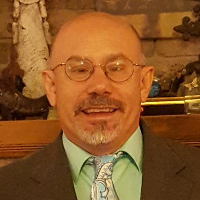
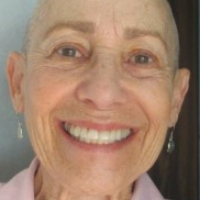
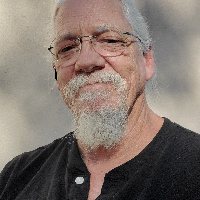
Nicole Neal
LPCC
New Mexico - 24 yrs exp











How CBT specifically treats self esteem
Cognitive behavioral therapy targets the thoughts and behaviors that maintain low self esteem. If you struggle with persistent self-criticism, negative assumptions about your abilities, or avoidance of activities that matter to you, CBT helps you examine the mental habits that fuel those patterns. Therapy begins with identifying the automatic thoughts and underlying beliefs that give rise to shame or a diminished sense of worth. Once these patterns are visible, CBT uses structured techniques to test and modify them so that more balanced, realistic views can replace harsh self-judgments.
On the behavioral side, CBT encourages you to try new actions that contradict limiting beliefs. Behavioral experiments are planned activities that let you gather evidence against negative predictions about yourself. Over time, repeated experiences that disconfirm old assumptions contribute to a shift in how you evaluate your strengths and setbacks. Skills training, such as assertiveness practice and problem-solving, complements cognitive work by giving you concrete tools to manage interpersonal situations that previously undermined your confidence.
Finding CBT-trained help for self esteem in New Mexico
When searching for a therapist, look for clinicians who describe CBT, cognitive therapy, or cognitive behavioral approaches in their profiles. Many therapists combine CBT with other evidence-informed methods, but a focus on CBT means sessions will be organized around goal-setting, measurable progress, and skill practice outside of therapy. In New Mexico, larger cities such as Albuquerque and Santa Fe tend to have more clinicians listing CBT on their profiles, while smaller communities may have clinicians who travel between towns or offer telehealth options to extend their reach.
Licensure and training matter. Therapists in New Mexico typically hold licenses such as Licensed Professional Clinical Counselor, Licensed Clinical Social Worker, or Licensed Psychologist. Ask about specific CBT training or certification, workshops attended, and how the clinician applies CBT techniques to self esteem work. Many therapists will describe their experience with using cognitive restructuring, behavioral experiments, and outcome measures that help you and the clinician track improvements over time.
What to expect from online CBT sessions for self esteem
Online CBT sessions follow much the same structure as in-person work but with some practical differences. Sessions are usually time-limited and agenda-driven. You and your therapist will agree on goals and a plan for each session, which often includes a review of recent situations where self esteem was challenged, examination of the thoughts that came up, and practice of a new skill or a behavioral experiment to try before the next meeting. Homework assignments are central to CBT, so expect tasks such as thought records, graded behavioral tasks, or practicing self-compassion exercises between sessions.
Telehealth makes it easier to connect with clinicians across New Mexico, whether you live in Rio Rancho, Las Cruces, or a rural town. You can access therapists who specialize in CBT for self esteem without long commutes, and online sessions can be scheduled with more flexibility. If you prefer in-person work, many therapists maintain office hours in Albuquerque, Santa Fe, and other population centers. Regardless of format, it is helpful to ask about session length, frequency, and how the therapist shares materials or worksheets so you can continue to practice skills between meetings.
Technology and practicalities
Before starting online sessions, confirm how the therapist conducts video meetings and how they provide resources such as worksheets or worksheets alternatives. Discuss how they structure homework and whether they use standardized measures to track progress. You may want to inquire about appointment cancellation, fees, and whether they accept insurance or offer sliding scale options. Clear expectations about these practical elements help you focus on the therapeutic work that improves self esteem.
Evidence supporting CBT for self esteem
Cognitive behavioral approaches are widely used for issues that overlap with low self esteem, including social anxiety, depression, and adjustment difficulties. Research and clinical practice indicate that targeting unhelpful thinking patterns and reinforcing new behaviors leads to meaningful change in how people view themselves. In New Mexico clinics and university training programs, CBT-informed methods are commonly taught and applied, and many clinicians draw on published evidence when designing treatment plans tailored to an individual client.
While outcomes vary by person and context, the general principle behind CBT is that measurable skills and repeated practice can alter the cycle that keeps low self esteem in place. When you engage consistently with structured exercises, you are more likely to notice shifts in how you interpret feedback, handle setbacks, and approach relationships. Evidence supports the use of short-term, goal-oriented therapy for producing lasting changes in self-evaluation when the approach is properly matched to your needs.
Tips for choosing the right CBT therapist for self esteem in New Mexico
Start by clarifying what you want to change and how you prefer to receive care. If you value a direct, skills-based approach, mention that you are specifically looking for CBT for self esteem. During an initial consultation, ask about the therapist's experience using cognitive restructuring and behavioral experiments, and request examples of the types of homework they typically assign. A good clinician will explain how they measure progress and how long they expect a course of CBT to take based on your goals.
Consider cultural fit and language needs. New Mexico is linguistically and culturally diverse, and many clinicians offer bilingual services or familiarity with local community contexts in Albuquerque, Santa Fe, and beyond. Cultural responsiveness matters because beliefs about worth and achievement are shaped by family, community, and cultural history. Ask how the therapist incorporates your background into the treatment plan and whether they have experience working with people who share similar life experiences.
Accessibility is another factor. If travel is difficult, prioritize therapists who offer telehealth or who have flexible hours. If insurance or cost is a concern, ask about accepted plans and whether a sliding scale is available. Finally, trust your instincts during the first few sessions. CBT is collaborative and you should feel that your therapist listens to your concerns, explains interventions clearly, and involves you in pacing the work.
Local considerations and next steps
In urban centers like Albuquerque and Santa Fe you will find a range of CBT-trained clinicians and specialized clinics. In smaller communities such as Las Cruces and neighboring towns, options may be more limited but telehealth has broadened access significantly. When you search profiles in this directory, pay attention to descriptions that highlight CBT techniques, outcome tracking, and work specifically aimed at improving self esteem. Reach out for an initial consultation to learn how a particular therapist frames goals, structures sessions, and helps clients practice new ways of thinking and behaving.
Choosing a CBT therapist is a personal decision, and the right match can make a meaningful difference in how you experience yourself and relate to others. By focusing on evidence-informed techniques that target thoughts and actions, CBT offers a practical path to building a steadier, more realistic sense of self worth. Use the listings on this page to explore clinicians across New Mexico, compare approaches, and take the next step toward strengthening your self esteem.