Find a CBT Therapist for Personality Disorders in New Mexico
On this page you'll find CBT-focused therapists in New Mexico who treat personality disorders, including clinicians serving Albuquerque, Santa Fe, and Las Cruces. Explore profiles below to compare training, approaches, and availability, then reach out to schedule an appointment.





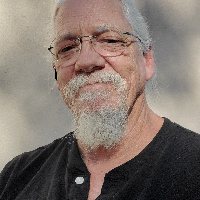

Sarah Bentley
LPCC, LMHP
New Mexico - 10 yrs exp

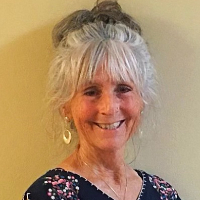

Deborah DuPriest
LPCC
New Mexico - 18 yrs exp







How CBT approaches personality disorders
Cognitive behavioral therapy emphasizes the connection between thoughts, emotions, and actions. When you work with a CBT therapist for a personality disorder, the focus is on identifying recurring patterns in how you interpret situations and how those interpretations shape your behavior. Over time, certain thinking habits can become rigid and lead to coping strategies that are distressing or interfering. CBT helps you examine those habits, test whether negative beliefs fit the facts, and develop alternative ways of thinking that reduce reactive behaviors.
The behavioral side of CBT teaches you to practice new skills in real-life situations. This might include role-playing interpersonal interactions, experimenting with different responses to conflict, or using graded exposure to reduce avoidance. Through repeated practice you build new behavioral patterns that become more automatic. Your therapist will help you set concrete, measurable goals so that progress is visible and you can evaluate what is working.
Importantly, CBT for personality disorders often integrates techniques that target emotional regulation and interpersonal problems. You will learn ways to notice emotional escalation earlier, apply calming strategies, and respond to others in ways that reflect your goals rather than old patterns. Rather than focusing only on insight, CBT emphasizes practical change - small adjustments in thinking and behavior that accumulate into meaningful improvements in relationships and daily functioning.
Finding CBT-trained clinicians in New Mexico
When you look for a CBT therapist who works with personality disorders, consider both formal training and clinical experience. Therapists in New Mexico may list specific CBT certifications, specialized training in cognitive therapy for personality pathology, or supervised experience treating complex cases. Licensure ensures a baseline of professional standards, while additional training indicates familiarity with the particular challenges that personality disorders present.
You can narrow your search by location if in-person sessions are important to you. Albuquerque and Rio Rancho host larger clinical communities with a wider range of specialists, while Santa Fe and Las Cruces often feature clinicians who blend evidence-based CBT techniques with culturally attuned approaches. If you prefer a blend of in-person and remote work, many therapists list their service modes so you can find one whose availability matches your needs.
What to expect from CBT sessions for personality disorders
A typical CBT course begins with assessment and collaborative goal setting. Early sessions focus on mapping out how symptoms and interpersonal patterns show up in your life, identifying high-risk situations, and pinpointing key thoughts and behaviors that sustain distress. Your therapist will work with you to create a treatment plan that is specific to your experiences and priorities.
Sessions combine cognitive work - examining and testing beliefs - with behavioral experiments that let you try new responses in a controlled way. Homework is a core component of CBT, so you should expect to practice skills between sessions. Homework assignments are designed to be doable and to generate information that you and your therapist will use to refine treatment. Over time you and your therapist review progress and adjust strategies based on what proves most effective.
If you choose online CBT sessions, the structure remains similar. You will still focus on identifying thought patterns, learning new skills, and practicing behavioral experiments. Therapists often use screen-sharing to review worksheets, or they may send exercises to complete between sessions. You should plan for a setting in your home where you can participate without interruptions and where you can engage fully in therapeutic exercises. Your therapist can help you troubleshoot practical issues like managing distress during or after a session.
Online CBT in New Mexico - what to consider
Online therapy can expand your options, especially if you live outside major urban centers. You may find experienced CBT clinicians offering telehealth appointments who otherwise serve Albuquerque, Santa Fe, or Las Cruces in person. When you choose online care, think about how comfortable you are discussing sensitive material over video, whether you have a reliable internet connection, and whether you can create a consistent, calm environment for sessions. A predictable setting helps you get the most out of CBT tasks that require concentration and emotional work.
Remote sessions can be particularly helpful for maintaining continuity of care during life transitions or when transportation is limited. Many people find that combining occasional in-person visits with online follow-ups creates a flexible routine that supports steady progress. If cultural context matters to you, seek therapists who mention familiarity with New Mexico's communities and who can integrate cultural awareness into CBT techniques.
Evidence and outcomes for CBT and personality disorders
Research has increasingly supported cognitive behavioral approaches for several personality-related conditions by showing improvements in symptom patterns, emotion management, and interpersonal functioning. CBT-based models often include modules that directly address core problems such as rigid thinking, impulsivity, and relationship instability. These interventions are structured and time-limited, which makes progress easier to track and discuss.
In practice, outcomes depend on the match between your needs and the therapist's approach, the therapeutic alliance, and engagement in regular practice. You should expect a collaborative process where you try strategies, evaluate results, and adapt as needed. In New Mexico, therapists working within CBT traditions often combine evidence-based tools with attention to the state's unique cultural and community contexts, creating a blend that can make therapy feel more personally relevant.
Choosing the right CBT therapist in New Mexico
Start by clarifying what you want from therapy. Are you focused on reducing specific behaviors, improving relationships, or learning emotional regulation skills? Once you know your priorities, look for clinicians who highlight CBT training and experience with personality disorders. A good therapist will explain their approach clearly and invite questions about how they handle crises, what the therapy timeline might look like, and how progress is measured.
Consider practical factors as well. Location matters if you prefer face-to-face sessions - check availability in Albuquerque, Santa Fe, Las Cruces, or Rio Rancho. Ask about session length, frequency, and fees. If insurance is a consideration, verify coverage and billing procedures. You may also want to inquire about how the therapist collaborates with other providers if you are receiving care from a psychiatrist or medical team.
When you contact a therapist, a brief initial conversation can help you assess fit. Pay attention to whether you feel heard and whether the therapist offers clear explanations of CBT techniques. A strong match does not require immediate comfort with everything, but you should feel that your therapist respects your perspective and is willing to tailor the work to your life.
Next steps in New Mexico
Exploring therapist profiles in your area is a practical next step. Look for clinicians who describe CBT-focused treatment for personality disorders and who note experience with the kinds of interpersonal and emotional challenges you face. If you live near Albuquerque or Rio Rancho you may find a broader selection of in-person options, while Santa Fe and Las Cruces can offer clinicians who integrate regional cultural knowledge into their CBT work. If travel is difficult, expand your search to include remote appointments.
Reaching out for an initial consultation is often the fastest way to determine fit. Prepare a few questions about the therapist's experience with CBT approaches for personality disorders, what a typical session will involve, and how you can work together to set realistic goals. With the right therapist and a clear plan, CBT can offer structured strategies that help you change long-standing patterns and build more adaptive ways of thinking and relating in daily life.