Find a CBT Therapist for Mood Disorders in New Mexico
This directory lists CBT-trained clinicians across New Mexico who focus on mood disorders. Browse the therapist listings below to compare clinicians using cognitive behavioral therapy in Albuquerque, Santa Fe, Las Cruces and other communities.

Nicole Neal
LPCC
New Mexico - 24 yrs exp






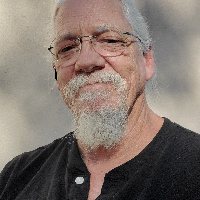

Sarah Bentley
LPCC, LMHP
New Mexico - 10 yrs exp



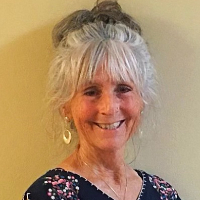











How CBT treats mood disorders
Cognitive behavioral therapy, or CBT, approaches mood disorders by linking thoughts, feelings and behaviors. In CBT you learn to notice patterns of thinking that contribute to low mood - such as overgeneralizing, catastrophizing or focusing only on negatives - and to test those thoughts against evidence. At the same time, you work on changing behaviors that keep symptoms in place, building routines and activities that provide structure and positive feedback. The combination of cognitive work and behavioral activation is what differentiates CBT from approaches that focus solely on insight or emotion processing.
Treatment typically begins with assessment and collaborative goal setting so that you and your therapist identify the specific thoughts and behaviors that maintain your mood symptoms. You will practice experiments and exercises during sessions and through assignments between sessions to reinforce new habits. The focus on concrete skills - like cognitive restructuring, activity scheduling and problem solving - means that you gain tools you can use long after therapy ends.
The cognitive component
When mood dips, thinking often becomes biased toward negative interpretations. CBT helps you learn to spot those automatic thoughts, evaluate how realistic they are and replace them with balanced alternatives. This does not mean forcing optimism but building a more accurate and flexible mindset. Over time, this cognitive work can reduce emotional reactivity and help you respond to setbacks with more resilience.
The behavioral component
Behavioral techniques address the tendency to withdraw, avoid or reduce engagement with activities that bring meaning. In CBT you create activity plans and graded exposure tasks so that small steps produce repeated experiences of mastery and enjoyment. Reintroducing meaningful action into daily life often shifts mood because behavior and mood influence each other in a continuous cycle.
Finding CBT-trained help for mood disorders in New Mexico
Looking for a clinician who practices CBT in New Mexico involves a mix of checking credentials and assessing fit. Licensed mental health professionals in the state often list CBT among their primary approaches. When you review profiles, look for mention of specific CBT techniques or training - such as work with cognitive restructuring, behavioral activation or structured treatment protocols. Many therapists include information about populations they specialize in, such as depression, bipolar spectrum concerns or persistent low mood, which can help you narrow your search.
Geography matters for accessibility. If you live in Albuquerque or the surrounding metropolitan area, you'll likely find a broader range of clinicians and clinic settings. Santa Fe and Las Cruces each have local providers and community mental health resources that offer CBT-informed care. If commuting is a concern, consider clinicians who offer evening appointments or hybrid options combining in-person and remote sessions. Pay attention to logistical details like office location, typical appointment lengths and whether a therapist offers brief consultation calls to assess fit before committing to a first session.
What to expect from online CBT sessions for mood disorders
Online CBT sessions follow the same structured format as in-person therapy but are adapted to video or phone delivery. You should expect sessions to start with a brief check-in about mood and any events since the last appointment, followed by a focused therapeutic task - reviewing homework, practicing a cognitive technique or planning activities for the week. Therapists will often assign brief between-session exercises to help you apply skills in daily life and to track progress.
Practical preparation helps sessions go smoothly. Make sure you have a reliable internet connection and a quiet, comfortable environment where you will not be interrupted. Some people prefer sitting at a desk while others choose a comfortable chair; the priority is a setting that supports focus. You should also discuss confidentiality practices and emergency planning with your therapist so you both understand how to respond if distress increases between sessions.
Evidence supporting CBT for mood disorders in New Mexico
CBT is widely regarded as an evidence-based approach for many mood disorders, and clinicians across New Mexico commonly apply these methods in community clinics, private practice and academic settings. Local providers often integrate CBT with culturally responsive care that reflects New Mexico's diverse populations, taking into account language preferences, cultural values and community contexts. If you are looking for evidence-based treatment, ask prospective therapists about the specific CBT models they use and how they measure outcomes, such as mood tracking or periodic symptom assessments.
Training programs and continuing education in New Mexico help maintain high standards for CBT practice. Many clinicians pursue additional certification or supervised training in CBT or related interventions, which can be an indicator of depth of experience. You can also ask how a therapist stays current with developments in CBT and whether they adapt protocols to address co-occurring concerns like anxiety, sleep disruption or substance use, which often interact with mood symptoms.
Tips for choosing the right CBT therapist in New Mexico
Choosing a therapist is both practical and personal. Start by identifying priorities such as proximity to your home or workplace in Albuquerque, Santa Fe or Las Cruces, appointment availability, fee structure and whether the therapist accepts your insurance or offers a sliding scale. Then consider clinical fit - look for explicit mention of CBT skills and experience treating mood disorders. It is reasonable to ask about the therapist's typical treatment length, how they define progress and what a typical session will involve.
During an initial contact or consultation, notice how the clinician explains CBT and whether the description resonates with your preferences. A collaborative tone and willingness to tailor techniques to your circumstances are signs of a good fit. Also consider cultural competence and comfort discussing identity, background and values, since feeling understood can influence outcomes. If you try a few sessions and it feels like a mismatch, it is acceptable to switch therapists; finding a clinician you trust is an important part of the process.
Practical considerations for New Mexico residents
Transportation, scheduling and cost are practical factors to address. If you live in more rural parts of the state, online CBT can increase access to experienced clinicians, while city residents may have more options for in-person work. If finances are a concern, inquire about sliding scale fees, community clinics or university training clinics that may offer lower-cost CBT under supervision. Many therapists are upfront about fees and payment options, which helps set expectations before starting services.
Finally, remember that CBT is a skills-based therapy that asks for active participation. You are more likely to notice change if you engage with homework and practice strategies between sessions. Whether you opt for a therapist in Albuquerque, a clinician in Santa Fe or a provider who serves Las Cruces remotely, focusing on fit, training and a collaborative working relationship will help you get the most from CBT-informed care.