Find a CBT Therapist for Isolation / Loneliness in New Mexico
This page lists Cognitive Behavioral Therapy (CBT) clinicians across New Mexico who focus on treating isolation and loneliness. You will find therapist profiles that note CBT training, service options, and whether they offer online or in-person care. Browse the listings below to find therapists whose approaches and availability match your needs.







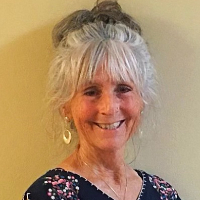
Sarah Bentley
LPCC, LMHP
New Mexico - 10 yrs exp







How CBT specifically treats isolation and loneliness
Cognitive Behavioral Therapy works by helping you identify and change the thoughts and behaviors that keep you feeling alone. Many people who experience persistent loneliness develop patterns of thinking that assume rejection, minimize positive interactions, or magnify social risk. CBT helps you notice those patterns, test them against real-world evidence, and build more balanced ways of interpreting social situations. At the same time, CBT uses behavioral strategies to increase opportunities for meaningful contact - not just more contact - so you start to rebuild social connections that feel rewarding.
In practice you and your therapist will map out the beliefs and habits that reinforce isolation and then design small experiments to challenge them. That may mean scheduling low-pressure social activities, practicing conversation skills, or gradually exposing yourself to social settings that you have been avoiding. The combination of changing thoughts and changing actions helps break a cycle where isolation feeds negative thinking and negative thinking leads to more avoidance.
Cognitive techniques used in CBT for loneliness
Cognitive work usually focuses on identifying automatic negative thoughts and testing their accuracy. You will learn to spot thinking errors such as overgeneralizing a single rejection, assuming others think poorly of you without evidence, or discounting compliments. Your therapist will guide you in reframing these thoughts and creating alternative interpretations that reduce anxiety and defensiveness. Thought records and behavioral experiments become tools you use outside sessions so shifts in thinking carry over into daily life.
Behavioral techniques used in CBT for loneliness
On the behavioral side, therapists use activity scheduling and behavioral activation to increase engagement with others. This may include structured plans to reach out to acquaintances, join new groups, or volunteer in settings aligned with your interests. Social skills training and role play help you practice initiating conversations, setting boundaries, and responding to awkward moments. Over time these repeated actions build confidence and create the positive feedback loop that erodes long-standing isolation.
Finding CBT-trained help for isolation and loneliness in New Mexico
If you are searching in New Mexico, look for clinicians who explicitly list CBT training and experience treating loneliness or social anxiety on their profiles. Many therapists in Albuquerque, Santa Fe, Las Cruces, and Rio Rancho highlight specialized CBT certification, supervision in CBT methods, or additional training in social skills interventions. You can use local listings to compare clinician backgrounds, telehealth availability, insurance participation, and whether they offer evening or weekend appointments.
Consider geographic and cultural fit as well. New Mexico is diverse in culture and language, and you may prefer a clinician familiar with the local communities, whether you live in the urban center of Albuquerque or a smaller town in the north or south. If language access matters to you, note whether therapists offer sessions in Spanish or have experience working with Indigenous populations. These factors can affect how comfortable you feel when discussing sensitive topics related to loneliness and belonging.
What to expect from online CBT sessions for isolation and loneliness
Online CBT offers a practical option for people across New Mexico, including those in rural areas where in-person specialists are harder to find. Sessions typically follow the same structure as in-person work - assessment, goal setting, cognitive interventions, and behavioral experiments - but the format adapts to video or phone. You should expect a clear agenda for each session and homework assignments that help you practice skills between appointments.
Therapists will usually begin with an assessment of your social network and patterns of interaction, then co-create measurable goals such as increasing weekly social contact or reducing the frequency of negative self-talk. Homework might include keeping a social diary, completing thought records after interactions, or planning specific behavior experiments. For online work you will also discuss practical matters such as technology, session length, and how to find a quiet, undisturbed setting where you can focus.
Many people find online CBT especially useful when living far from urban centers like Albuquerque or Santa Fe, where access to specialists can otherwise be limited. Telehealth can shorten travel time, increase scheduling flexibility, and allow you to work with a clinician whose specific CBT experience is a good fit - even if they are located in another part of the state.
Evidence supporting CBT for isolation and loneliness in New Mexico
Research overall shows CBT reduces symptoms related to loneliness and improves social functioning for many people. In clinical practice across New Mexico, therapists draw on these evidence-based principles to tailor interventions to individual histories and cultural contexts. While outcomes depend on your goals and engagement with the process, CBT’s focus on measurable changes in thinking and behavior gives you tools that are practical and teachable.
Local clinics and community mental health programs in New Mexico often incorporate CBT elements into group programs and individual therapy for people feeling disconnected. This local adoption reflects a broader evidence base that supports CBT techniques such as cognitive restructuring and behavioral activation for addressing the social and emotional patterns that underlie isolation. Discussing outcomes and progress with a prospective therapist can help you set realistic expectations and choose methods that align with your needs.
Tips for choosing the right CBT therapist for isolation and loneliness in New Mexico
When choosing a therapist, consider their specific experience with loneliness and social reconnection, not just general CBT training. Ask whether they have worked with people in situations similar to yours - for example, someone returning to social life after a long period of isolation, a recent mover to Albuquerque, or someone coping with social withdrawal related to health changes. Experience with certain populations, such as older adults, students, or LGBTQ clients, can be important if cultural understanding matters to you.
Practical considerations also matter. Check whether the therapist offers online sessions if you live outside city centers like Las Cruces or Rio Rancho, and ask about insurance, sliding scale options, and typical session length. Many therapists offer an initial consultation which is a good opportunity to get a sense of rapport and treatment focus. You will want a clinician who explains CBT techniques clearly and helps you set measurable, achievable goals.
Getting started and preparing for your first session
Before your first appointment, it helps to reflect on what loneliness looks like for you and what you hope will change. Think about recent social interactions that felt significant, any patterns you have noticed in your thinking, and practical barriers such as transportation or scheduling. Bring these observations to your first session so you and your therapist can set targeted goals and outline early steps - including specific behavioral experiments and cognitive tools you will practice between sessions. Starting with a clear plan makes the therapy process more predictable and helps you see progress sooner.
Finding the right CBT therapist in New Mexico is a personal process, and you have options whether you live in a major city or a smaller community. By focusing on therapists who blend CBT skills with an understanding of your cultural and geographic context, you increase the likelihood of effective, meaningful change. Use the listings above to compare clinicians, read profiles, and take advantage of initial consultations to find someone who fits your needs and helps you reconnect to people and activities that matter to you.