Find a CBT Therapist for Codependency in New Mexico
This page lists CBT therapists in New Mexico who specialize in treating codependency. Browse local and online clinicians trained in cognitive behavioral therapy across Albuquerque, Santa Fe, Las Cruces and surrounding areas.










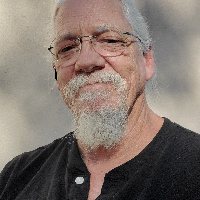

Sarah Bentley
LPCC, LMHP
New Mexico - 10 yrs exp


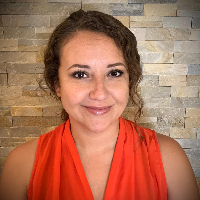

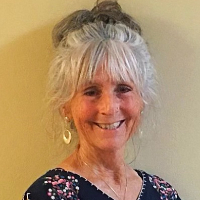


Deborah DuPriest
LPCC
New Mexico - 18 yrs exp





How cognitive behavioral therapy (CBT) treats codependency
CBT addresses codependency by focusing on the thoughts and behaviors that keep you stuck in unhealthy relationship patterns. At its core, the approach assumes that the way you interpret interactions and assign responsibility shapes how you respond. When you believe your value depends on pleasing others or that you are solely responsible for someone else’s emotions, you are more likely to tolerate boundary violations and neglect your own needs. CBT helps you identify those core beliefs, test their accuracy, and experiment with different responses.
Cognitive mechanisms
Therapists trained in CBT will work with you to uncover automatic thoughts and underlying assumptions that fuel codependent behavior. You learn to notice self-critical or catastrophizing thoughts that lead to people-pleasing, then practice reframing them into more balanced, realistic perspectives. Cognitive restructuring reduces the emotional reactivity that prompts overinvolvement and helps you weigh evidence for and against long-held beliefs. Over time, shifting these thought patterns can reduce anxiety about asserting needs and create space for healthier choices.
Behavioral mechanisms
CBT couples cognitive work with targeted behavioral experiments that let you test new ways of interacting. You may practice saying no in low-stakes situations, set clear boundaries, or schedule self-care activities you used to deprioritize. Therapists will often use role play and graded exposure to feared interpersonal scenarios so you can build confidence while monitoring outcomes. Reinforcing new behaviors through repeated practice helps rewire habitual responses and shows that relationships can endure when you act differently.
Finding CBT-trained help for codependency in New Mexico
When looking for a CBT therapist in New Mexico, consider clinicians who list CBT or cognitive behavioral approaches on their profiles and who have specific experience addressing relationship patterns. Licenses commonly held by CBT practitioners include licensed professional counselor, clinical social worker, or psychologist. Inquiries about training in CBT modalities, such as cognitive therapy, dialectical behavioral techniques integrated with CBT, or other evidence-based adaptations, can clarify a therapist’s fit for codependency work.
Major population centers such as Albuquerque, Santa Fe and Las Cruces host a range of clinicians, but therapists also serve smaller communities through telehealth. You can narrow searches by asking whether a clinician has experience working with issues that commonly overlap with codependency - for example, trauma history, anxiety, or substance-related concerns. Language and cultural understanding are especially important in New Mexico, where bilingual and culturally informed care can influence how you and the therapist interpret relationship roles and family expectations.
What to expect from online CBT sessions for codependency
Online CBT sessions for codependency generally follow a structured format similar to in-person work. You will typically begin with an assessment of patterns and goals, then move into identifying thoughts and behaviors to target. Sessions often include collaborative agenda-setting, review of recent situations that triggered codependent responses, and structured practice of skills during or between sessions.
Homework is a core component of CBT and you should expect to practice skills between sessions. These assignments might include thought records, boundary-setting experiments, or exercises in assertive communication. Your therapist will guide the difficulty and pace so you are building capacity without feeling overwhelmed. Technology allows therapists to share worksheets, record short role-plays, and track progress visually, which can be useful when you are working on interpersonal changes.
If you choose online care, confirm that the clinician is licensed to practice in New Mexico and discuss what platform or tools will be used. Be prepared to discuss a comfortable environment where you can speak openly during sessions and to arrange for privacy at home or elsewhere. For many people, telehealth increases access to specialized CBT clinicians who may not be available locally, while still permitting focused, evidence-informed treatment.
Evidence supporting CBT approaches for codependency
CBT is one of the most studied psychotherapeutic approaches for changing maladaptive thoughts and behaviors, and elements of CBT are commonly applied to interpersonal problems associated with codependency. Research on cognitive and behavioral interventions shows effectiveness for reducing anxiety, improving relational skills, and helping individuals modify patterns of caretaking that are harmful to their well-being. Clinicians in New Mexico apply these principles by combining thought-focused interventions with practical skills training that targets relational dynamics.
Many therapists integrate CBT with trauma-informed practices or with therapies that emphasize communication skills when addressing codependency. This integration acknowledges that relationship patterns often develop in the context of early experiences and cultural expectations. While individual results vary, you can expect CBT-based work to provide concrete tools and measurable steps toward changing how you relate to others.
Tips for choosing the right CBT therapist for codependency in New Mexico
Finding the right therapist is both practical and personal. Begin by identifying clinicians who explicitly mention CBT and experience treating codependency or relationship patterns. During an initial conversation, ask about the therapist’s approach to boundaries, how they structure sessions, the types of homework they assign, and their experience with situations similar to yours. A clear description of the therapy plan and expected time frame can help you decide if the therapist’s style aligns with your needs.
Consider logistical details that affect consistent care. If you live in Albuquerque, Santa Fe, Las Cruces or smaller towns, evaluate whether you prefer in-person sessions or the convenience of telehealth. Check whether the therapist offers evening appointments if you have daytime commitments, and inquire about fees, insurance partnerships, or sliding-scale options. Accessibility also includes language and cultural competence - in New Mexico you may benefit from clinicians who understand local family dynamics, cultural values, and how those factors shape codependent patterns.
Therapeutic fit is as important as credentials. You should feel heard and challenged in ways that support growth. If you are unsure after a first session, it is reasonable to try a few sessions to see whether the therapist’s methods and communication style help you carry out the behavioral work CBT requires. Many therapists offer short consultations to answer questions about their training and approach before you commit to ongoing sessions.
Practical next steps
Start by reviewing profiles of CBT therapists who treat codependency in New Mexico and note a few clinicians whose descriptions match your goals. Prepare a short list of questions to ask during an initial call - about CBT experience, how they handle boundary-setting work, their availability, and whether they have experience with cultural considerations relevant to New Mexico. Once you begin sessions, expect to do active work between appointments and to track small changes in how you respond to others.
Recovery from codependent patterns is a gradual process. CBT gives you tools to examine the beliefs and habits that keep you feeling responsible for others at the expense of your own well-being. With a therapist who understands both CBT methods and the cultural context of living in New Mexico, you can build skills that support healthier, more reciprocal relationships over time.