Find a CBT Therapist for Self Esteem in Nebraska
This page lists therapists in Nebraska who focus on improving self esteem using cognitive behavioral therapy. You will find clinician profiles, practice details, and descriptions of CBT approaches used for self esteem. Browse the listings below to compare options and connect with a therapist who fits your needs.

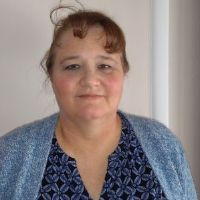








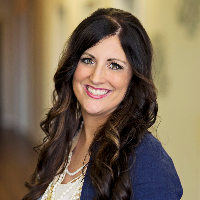
Debby Sawyer
LIMHP
Nebraska - 33 yrs exp










How CBT specifically treats self esteem
Cognitive behavioral therapy addresses self esteem by helping you identify the thoughts and behaviors that keep low self-regard in place. The cognitive part focuses on the stories you tell yourself - recurring negative automatic thoughts and deep-seated core beliefs about worth, competence, or belonging. Through guided questioning and cognitive restructuring, you learn to test those thoughts against reality, develop more balanced self-appraisals, and replace rigid conclusions with more accurate perspectives.
The behavioral side complements this work by encouraging action that reinforces healthier beliefs. You and your therapist will design experiments and practice new behaviors that challenge avoidance, perfectionism, or social withdrawal. These behavioral steps provide real-world evidence that undermines old negative beliefs and builds new patterns of success. Homework assignments, role plays, and graded exposure to anxiety-provoking situations are typical tools used to bridge insight and change.
Addressing underlying patterns
CBT also looks beyond single thoughts to the broader rules and assumptions that shape how you interpret events. By mapping those patterns you can see how a few repeated mental habits produce a persistent low sense of worth. Once identified, those habits become targets for intentional practice. Over time, repeated cognitive and behavioral shifts make improvements in self esteem more durable.
Finding CBT-trained help for self esteem in Nebraska
When searching for CBT for self esteem in Nebraska, focus on therapists who explicitly describe training and experience with cognitive behavioral methods. Many clinicians in Omaha and Lincoln list CBT as a primary approach, and you can often find therapists in Bellevue or Grand Island who combine CBT with additional techniques tailored to your background. Clinic websites and directory profiles usually include information about formal CBT training, certification in specific CBT modalities, and experience treating self esteem.
Licensure is an important practical check. Look for clinicians who hold current state licensure and indicate areas of specialty that match your needs. If you prefer in-person appointments, note office locations and hours. If you need more flexibility, many clinicians offer remote sessions that can serve people across rural counties as well as in city centers.
What to expect from online CBT sessions for self esteem
Online CBT sessions follow the same basic structure as in-person therapy but use video or telephone to create a virtual meeting space. Your first session will typically include an assessment of your concerns, a review of your history, and collaborative goal-setting. Your therapist will explain the CBT model and suggest initial strategies you can try between sessions. You should expect a mix of talk-focused cognitive work and practical exercises that you carry out in your daily life.
Therapists often assign brief, structured homework between sessions so progress continues outside the appointment time. This might include thought records, behavioral experiments, or small social steps designed to build confidence. Technology can make it easier to share worksheets, track mood, and review progress together. If you live in a smaller Nebraska community, online sessions can expand your options and help you connect with therapists who have specific expertise in self esteem.
Evidence supporting CBT for self esteem
Research on cognitive behavioral therapy shows consistent benefits for a range of self-related problems, including low self esteem. Studies indicate that CBT's combination of cognitive restructuring and behavioral approaches helps people develop more realistic self-evaluations and reduce habits of self-criticism. While individual results vary, the method's emphasis on measurable goals and practice-based change makes it well suited to addressing self esteem concerns.
In clinical practice, therapists often adapt CBT techniques to meet cultural, developmental, and situational needs. This flexibility matters in a state like Nebraska where clients may come from diverse backgrounds - urban and suburban environments in Omaha or Lincoln, military families in Bellevue, or agricultural communities in other regions. A skilled CBT therapist will tailor interventions so they feel relevant and achievable for your life.
Tips for choosing the right CBT therapist for self esteem in Nebraska
Choosing a therapist is both practical and personal. Start by reading profiles to see who emphasizes CBT and experience with self esteem. Pay attention to descriptions of methods - therapists who mention cognitive restructuring, behavioral experiments, and homework are likely to follow a CBT framework. You can also look for notes about experience with related issues that often affect self esteem, such as perfectionism, social anxiety, or life transitions.
Consider scheduling a short introductory conversation to ask about the therapist's approach to self esteem, how they measure progress, and what a typical session looks like. Ask how they tailor CBT to different life stages or cultural backgrounds. Practical questions are important too - confirm availability, session length, fees, and whether they offer teletherapy if that matters to you. If you are in Omaha or Lincoln you may have more clinicians to choose from, but therapists in Bellevue and Grand Island can offer deep local knowledge that may be helpful for certain life contexts.
Trust your sense of fit. You should feel heard and respected during early interactions. A good match increases the likelihood that you will engage in the exercises that make CBT effective. If a therapist's style does not feel right after a few sessions, it is reasonable to discuss adjustments or to seek a different clinician whose approach aligns better with your needs.
Practical considerations and getting started
Preparing for your first session helps you get the most from CBT. Think about specific situations where low self esteem shows up - at work, in relationships, or during personal challenges. Be ready to discuss your expectations and to set concrete, measurable goals with your therapist. Many people find it helpful to keep a brief record of thoughts and mood in the days leading up to the first appointment so the therapist has a clear sense of patterns to address.
Accessibility and cost are practical factors to weigh. Ask about insurance coverage, sliding scale fees, or session packages. If you need flexibility, confirm whether the therapist offers evening hours or remote sessions. For people who travel between Nebraska cities, some clinicians provide a mix of in-person and online options to accommodate changing schedules.
Moving forward with CBT for self esteem
CBT is an active, skills-focused approach that requires participation outside sessions. You can expect to practice new ways of thinking and behaving, to review real-world experiments with your therapist, and to track progress over time. Improvements often build gradually as you gather evidence that challenges old negative beliefs and develop new habits that support a healthier sense of self.
Whether you live in Omaha, Lincoln, Bellevue, Grand Island, or elsewhere in Nebraska, locating a CBT-trained therapist who understands self esteem issues can help you take concrete steps toward greater self-acceptance and resilience. Use the listings on this page to explore practitioners, compare approaches, and reach out to begin a conversation about what effective CBT care might look like for you.