Find a CBT Therapist for Grief in Nebraska
This page helps you find therapists across Nebraska who use cognitive behavioral therapy to address grief and bereavement. Browse the profiles below to compare CBT-trained clinicians near Omaha, Lincoln, Bellevue and other communities in the state.







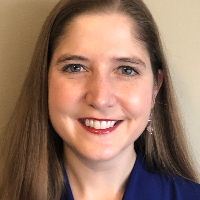
Debby Sawyer
LIMHP
Nebraska - 33 yrs exp
















How cognitive behavioral therapy addresses grief
When you are grieving, you may notice patterns in your thinking and behavior that intensify distress or make daily life harder. Cognitive behavioral therapy - CBT - approaches grief by helping you identify those patterns and develop practical skills to manage them. Rather than telling you how to feel, CBT gives you a structure to understand how certain thoughts, memories and routines interact with emotions, and then guides you through evidence-informed strategies to shift unhelpful patterns.
The cognitive work
The cognitive side of CBT focuses on the ways you interpret events, memories and future possibilities. After a loss, it is common to have intrusive thoughts, excessive self-blame or a bleak view of the future. In therapy you learn to notice these thoughts, test how accurate they are and develop more balanced ways of thinking. That process often begins with simple tracking of thoughts and moods so you can see links between mental habits and moments of intense grief. Over time, you build tools that reduce repetitive rumination and help you respond to painful memories with less automatic reactivity.
The behavioral work
Behavioral techniques in CBT aim to restore routines and help you re-engage with life in manageable steps. Grief can lead to withdrawal, avoidance or a flattening of activities that once mattered. A CBT therapist will work with you to identify meaningful activities and create graded plans to reconnect with them. This may include behavioral experiments where you test out small changes to see how they affect mood, and exposure-based approaches when avoidance keeps you stuck. The goal is to expand your range of experience so you can carry grief alongside other parts of life rather than feeling defined only by loss.
Finding CBT-trained help for grief in Nebraska
When you start looking for a therapist in Nebraska, you can focus on clinicians who list CBT or cognitive behavioral therapy among their approaches and who have experience with grief or bereavement. Many therapists in Omaha, Lincoln, Bellevue and smaller towns offer both face-to-face and remote appointments, so you can choose what fits your schedule and comfort. In your search, pay attention to training, years of experience, and any additional grief-specific certification or supervision. You can also look for therapists who describe a clear, skills-based approach and who explain how they will work with you on thoughts, behaviors and practical coping strategies.
If you live outside larger cities - for example in rural counties or smaller Nebraska communities - online CBT options can increase access to clinicians with grief expertise. Even when you choose a therapist who practices locally, it is reasonable to ask about their familiarity with the resources available in your area, such as support groups, hospice bereavement services and community mental health programs.
What to expect from online CBT sessions for grief
Online CBT sessions for grief typically follow the same structured process as in-person care, with the added convenience of meeting from your home or another comfortable place. A typical session begins with a brief check-in about your week, moves into targeted work on thoughts or behaviors, and ends with agreed-upon practice or reflection activities to try before the next appointment. You will often receive simple worksheets or exercises to complete between sessions, because practice outside the meeting is central to CBT.
To get the most from online sessions, prepare a quiet, undisturbed space and a reliable internet connection. You may find it helpful to set a consistent time and to let household members know you are not to be interrupted. Therapists will discuss professional guidelines for remote therapy, how they protect your privacy during sessions, and policies about scheduling, cancellations and emergencies. If you live in Omaha or Lincoln and prefer in-person meetings, many clinicians offer a mix of in-person and remote appointments so you can shift formats as your needs evolve.
Evidence supporting CBT for grief in Nebraska practice
Research on CBT and grief shows that structured, skills-based interventions can reduce intense symptoms such as unrelenting rumination and avoidance, and help people regain meaningful activity and roles over time. In Nebraska, clinicians draw on this evidence when adapting CBT techniques to local needs, combining cognitive work with behavioral activation and supportive interventions. Local mental health programs and university-affiliated clinics often incorporate CBT principles in bereavement services, and many Nebraska therapists pursue continuing education in grief-focused methods to align practice with current findings.
It is important to keep in mind that grief is a normal response to loss and that the aim of CBT is to help you manage the aspects of grief that interfere with your ability to function and find meaning. Your therapist will tailor evidence-based methods to your personal history, cultural background and the specific nature of your loss so the support fits your situation.
Tips for choosing the right CBT therapist for grief in Nebraska
Choosing a therapist is both a practical and a personal decision. Start by identifying clinicians who list CBT and grief or bereavement in their specialties, and read provider profiles to get a sense of their approach. Consider practical details such as whether they accept your insurance, offer a sliding fee if cost is a concern, and provide evening or weekend appointments if you need flexibility. If location matters, you can search in Omaha, Lincoln, Bellevue or Grand Island to find options near you, and also ask about telehealth availability if travel is difficult.
During an initial conversation you can ask how the therapist integrates cognitive and behavioral techniques when addressing grief, what a typical treatment plan looks like, and what goals you might expect to work toward. Notice whether the therapist explains concepts in clear, concrete terms and whether they invite your input on goals and pacing. A good match is not only about credentials - it is about how comfortable you feel working with a clinician who uses a structured, collaborative approach.
Practical considerations and first-session expectations
In your first sessions you can expect a focused intake that reviews your loss, current challenges, coping strategies and goals. Your therapist may introduce simple CBT tools right away, such as mood tracking or thought records, and will typically work with you to create actionable steps between sessions. If you decide to meet in person in a city like Omaha or Lincoln, ask about parking, office accessibility and any support resources the clinician recommends in the community. If you meet online, confirm the process for scheduling and how the therapist manages urgent concerns when you are not in session.
Remember that grief unfolds differently for everyone. CBT offers a roadmap for addressing distressing thoughts and rebuilding daily life, but you should expect the pace and focus to be tailored to your needs. If you feel uncertain about a particular approach, bring that up with your therapist so you can adjust the plan together.
Finding ongoing support in Nebraska
As you move through grief work, you may combine CBT sessions with other forms of support such as peer groups, faith-based resources or community services. In Nebraska cities like Bellevue and Grand Island you can often find community programs that complement individual therapy. Your CBT therapist can help you identify local resources and coordinate referrals when appropriate. Ultimately, the goal is to give you practical tools and a supportive process so you can carry your loss without being overwhelmed by it.
If you are ready to explore CBT for grief, start by reviewing the therapist profiles on this page, contacting clinicians whose approaches resonate with you, and asking the questions that matter most for your recovery and daily functioning. With the right match and a clear plan, CBT can give you skills to manage painful thoughts and re-engage with life at a pace that feels right for you.