Find a CBT Therapist for Depression in Nebraska
This page connects you with local CBT therapists in Nebraska who specialize in treating depression. You will find clinician profiles highlighting CBT training, approach, and location across the state. Browse the listings below to compare therapists and request an appointment that fits your needs.










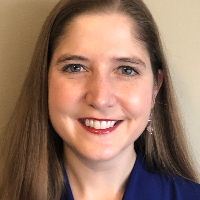
Debby Sawyer
LIMHP
Nebraska - 33 yrs exp













How CBT Treats Depression
Cognitive behavioral therapy, or CBT, addresses depression by helping you examine the connections between thoughts, feelings and behaviors. CBT works on the idea that patterns of thinking can influence mood and motivation, and that unhelpful behaviors can maintain or deepen low mood. In a CBT approach you learn to identify mental habits that tend to magnify sadness or hopelessness, and you practice shifts in thinking that open up new ways of responding to challenges. At the same time, you work on behavioral strategies - such as activity scheduling and graded goal-setting - that increase engagement in meaningful activities and interrupt cycles of withdrawal and avoidance.
Therapists trained in CBT use structured sessions, measurable goals and practical exercises so you can apply what you learn between sessions. You may use thought records to track automatic negative thoughts, behavioral experiments to test assumptions, or problem-solving techniques to break complex issues into manageable steps. These methods are designed to be collaborative - you and your therapist form a plan, try it out, and adjust based on what helps most.
Finding CBT-Trained Help for Depression in Nebraska
When you start looking for a CBT therapist in Nebraska, you will find clinicians working in a variety of settings from independent practices to community mental health centers and university clinics. Major population centers such as Omaha and Lincoln host many licensed clinicians with CBT training, while smaller communities often have practitioners offering telehealth appointments that extend access across the state. If you live near Bellevue or travel through other regions of Nebraska, you can seek clinicians who list CBT as a primary approach and who describe specific experience treating depression.
Consider searching for therapists who indicate advanced CBT training, certification in evidence-based methods, or supervised experience in cognitive behavioral approaches. Clinician profiles often detail approaches used, specialties, and whether they incorporate measurement tools to track progress. Reaching out for a brief phone or video consultation can give you a sense of a therapist's fit and whether their approach matches what you are seeking.
What to Expect from Online CBT Sessions for Depression
Online CBT sessions share many features with in-person work but are adapted to a virtual setting. You can expect regular, time-limited sessions that follow a structured format. Early sessions typically focus on assessment and goal-setting, with the therapist and you agreeing on specific targets to work toward. Subsequent sessions often include review of mood tracking and homework exercises, collaborative problem-solving, and planning for behavioral experiments you will try between meetings.
Virtual sessions usually use secure video or phone platforms to maintain your privacy and to support interactive work such as screen sharing thought records or worksheets. You should prepare a comfortable environment where you can speak openly and work without interruption. Many therapists will recommend a routine for online sessions - consistent appointment times, a quiet room, and a plan for any technical issues - so the work can proceed with minimal distraction. Homework is commonly assigned because the real change often happens between sessions when you practice new ways of thinking and acting.
Evidence Supporting CBT for Depression in Nebraska
CBT is one of the most widely studied psychotherapeutic approaches and is commonly recommended by clinical guidelines for the treatment of depression. Clinicians in Nebraska are trained in and apply evidence-based CBT techniques, and local mental health programs often incorporate CBT into their service offerings. While research originates from studies conducted around the world, the core techniques of CBT - cognitive restructuring, behavioral activation and structured problem-solving - are applied by Nebraska therapists and adapted to local needs and cultural contexts.
If you are interested in evidence-based care, ask potential therapists about their experience with CBT outcomes, whether they use symptom measures to track progress, and how they tailor interventions for individual circumstances. Many Nebraska clinicians will describe how they monitor change over time and adjust treatment plans based on what is most helpful for you.
Practical Tips for Choosing the Right CBT Therapist in Nebraska
Choosing a therapist is a personal process. Start by clarifying what you want from therapy - relief from low mood, better coping skills, help with specific life problems, or a plan to return to work or school. Use clinician profiles to identify therapists who list CBT and experience treating depression. Pay attention to descriptions of approach and what a typical session looks like so you know whether the style feels active and skill-oriented, which is characteristic of CBT.
Consider practical details such as location, availability and whether the clinician offers in-person appointments in Omaha, Lincoln or Bellevue, or telehealth sessions that fit your schedule. Inquire about insurance or payment options up front and whether the therapist offers sliding scale fees if needed. During an initial consultation, ask how they measure progress, what homework they typically assign, how long they expect treatment to continue, and how they personalize CBT strategies for each person.
Your rapport with the therapist matters. You should feel heard and understood and also comfortable collaborating on goals. If a therapist explains techniques clearly and invites you to try small experiments between sessions, that is a strong sign they are applying CBT principles. It is also reasonable to try a few sessions and then reassess whether the pace, goals and methods align with what you need.
Working with CBT in Different Nebraska Settings
The experience of CBT can differ depending on setting. In private practices you may find more flexibility in session length and scheduling, while community clinics and university programs may offer structured programs and opportunities for concurrent services such as case management. If you live in a rural area, telehealth can expand options and connect you with CBT-trained therapists based in Omaha or Lincoln. Local hospitals and outpatient centers often maintain referral lists of clinicians who specialize in evidence-based treatments for mood concerns.
Preparing for Your First CBT Session
Before your first CBT session, think about the main difficulties you want to address and any patterns you have noticed in your mood and behavior. It helps to list recent examples of situations that trigger low mood or times when you felt a bit better than usual. Be ready to discuss sleep, appetite, daily activities and routines because these behavioral details often guide early CBT interventions. You may be asked to begin mood tracking or activity logs so you and your therapist can identify targets for change.
Expect the therapist to ask about your history and current life circumstances and to explain how CBT works. You should leave the first few sessions with concrete tasks to practice between meetings and a clear sense of the goals you will be working toward. Over time you and your therapist will review progress and refine strategies to fit your life.
Making the Most of CBT in Nebraska
CBT is a collaborative, skills-based approach. To get the most out of therapy, commit to the work between sessions and communicate openly about what helps and what does not. If geography is a concern, explore telehealth options offered by clinicians in Omaha, Lincoln, Bellevue and other parts of the state. If you need help narrowing choices, contact local clinics or professional boards for referrals to therapists who emphasize cognitive behavioral techniques.
Finding the right therapist can take time, but many people in Nebraska have found that a structured CBT approach gives them practical tools to manage depression and improve daily functioning. Use the therapist listings above as a starting point, reach out for a conversation, and choose a clinician whose training and approach feel like a good match for your goals.