Find a CBT Therapist for Trauma and Abuse in Montana
This page helps you find therapists in Montana who specialize in trauma and abuse using cognitive behavioral therapy. Browse local and online profiles to compare practitioners trained in CBT and choose a provider that fits your needs below.



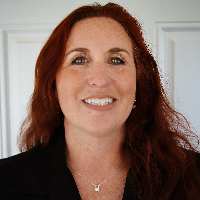
Natalie Norrell
LCPC
Montana - 12 yrs exp












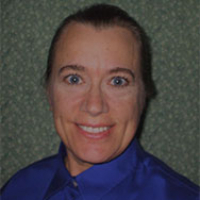
Shirley Butler
LCSW
Montana - 23 yrs exp







How CBT Addresses Trauma and Abuse
If you are seeking help after experiences of trauma or abuse, CBT focuses on the relationship between thoughts, feelings, and behaviors. Trauma can produce persistent patterns of thinking - such as self-blame, heightened threat expectations, or avoidance - that keep distress active long after the event. CBT works by helping you identify those patterns, test their accuracy, and practice new ways of responding that reduce distress and improve daily functioning.
In practical terms, a CBT therapist guides you through techniques like cognitive restructuring, which helps you examine and modify unhelpful beliefs about safety, control, and self-worth. Behavioral strategies help you gradually face avoided situations or memories in a controlled way so the intensity of fear or shame decreases over time. Skills training in emotion regulation, grounding, and relaxation helps manage physiological responses that often accompany trauma-related memories, giving you tools to use between sessions.
The cognitive side
On the cognitive side, you will learn to notice automatic thoughts that arise when triggers appear. A therapist helps you evaluate evidence for and against those thoughts and develop alternative interpretations that are more balanced and useful. This process reduces the power of catastrophic thinking and self-critical narratives that often follow abuse.
The behavioral side
On the behavioral side, therapy commonly includes carefully planned exposure and behavioral activation - steps that reduce avoidance and rebuild engagement with life. You and your therapist will set achievable goals so you can test new ways of behaving and experience that feared outcomes are less likely or less devastating than expected. Over time, new learning replaces the rigid responses that keep trauma symptoms active.
Finding CBT-Trained Help for Trauma and Abuse in Montana
When you look for a therapist in Montana, consider clinicians who specifically mention training in trauma-focused CBT approaches or related models such as cognitive processing therapy or prolonged exposure. Major population centers such as Billings, Missoula, Great Falls, and Bozeman have clinics and private practices with therapists who list trauma-focused CBT in their profiles, but experienced CBT practitioners also work throughout smaller towns and rural areas.
Ask about a clinician's experience with trauma and abuse, the types of trauma they treat, and whether they work with people from backgrounds similar to yours. Licensing titles vary - licensed clinical social workers, licensed professional counselors, psychologists, and marriage and family therapists may all use CBT as a primary modality. In Montana, many therapists combine CBT with other skills-based methods to address complex needs while keeping CBT's structured, goal-oriented focus at the center of treatment.
What to Expect from Online CBT Sessions for Trauma and Abuse
Online CBT sessions often mirror the structure of in-person work but allow more flexible access if you live far from larger cities or prefer remote care. In an initial session you will discuss your history, current concerns, and therapy goals. Your therapist will usually explain how CBT will address trauma-related patterns and negotiate a treatment plan that may include between-session assignments.
Expect homework in almost every phase of CBT. Homework practices are not optional extras - they are essential to the method. You might be asked to track thoughts and feelings, practice grounding or breathing techniques, or undertake graded exposure exercises with therapist support. Over time these practices help you gain a sense of mastery and notice measurable improvements.
Therapists offering online sessions should discuss technical logistics, session length, and what to do in a crisis. If you live in Montana, therapists can clarify whether they are licensed to provide remote care where you live and how they manage urgent concerns between appointments. Telehealth can make CBT more accessible if you are juggling work, school, or caregiving responsibilities, and it can be an effective option when in-person appointments are limited in your area.
Evidence Supporting CBT for Trauma and Abuse
CBT is one of the most researched approaches for trauma-related problems, and clinical guidelines commonly recommend trauma-focused CBT strategies for post-traumatic stress and related difficulties. Studies show that structured cognitive and behavioral interventions can reduce intrusive memories, avoidance, and hyperarousal, and they help people strengthen coping skills for long-term management. While individual outcomes vary, many people report meaningful improvement in symptoms and functioning after CBT when they engage consistently with the approach.
In Montana, practitioners often adapt evidence-based CBT techniques to local community needs. Therapists familiar with rural life, veterans' issues, or indigenous cultural contexts can integrate CBT with culturally informed practices and community resources. When you choose a clinician who understands local realities - whether you live near Billings, Missoula, Great Falls, Bozeman, or in a smaller town - you gain the advantage of care that fits both evidence-based practice and the specifics of your life.
Tips for Choosing the Right CBT Therapist in Montana
Start by identifying clinicians who explicitly describe CBT and trauma-focused work on their profiles. When you contact a therapist, ask about training in trauma-specific CBT methods, experience with abuse survivors, and the typical course of treatment they recommend. Ask how they measure progress and how flexible they are about session scheduling or supplemental resources. If you prefer in-person work, search providers in the larger cities or regional clinics. If you need remote appointments, verify that the therapist is authorized to work with clients in your location.
Consider compatibility as well as credentials. You should feel comfortable discussing difficult experiences and confident that the therapist will work collaboratively with you. It is reasonable to ask about how they approach safety planning, manage strong emotional reactions in sessions, and involve support systems when appropriate. If you have identity-specific needs - for example, cultural background, LGBTQ plus identity, or language preferences - look for therapists who advertise relevant experience or training.
Preparing for Your First Sessions
Before your first appointment, think about what you want to accomplish in therapy and any immediate concerns you want to address. You might write down a few examples of situations that trigger distress, how those situations affect your thoughts and behavior, and what you hope will change. Expect your therapist to take a collaborative, structured approach. Early sessions often focus on building safety and coping skills, setting measurable goals, and beginning to identify the cognitive and behavioral patterns that keep problems active.
Over the course of therapy you will track progress, adjust goals, and learn practical skills that help you navigate reminders of trauma while rebuilding meaningful routines. Whether you begin work with a clinician in Missoula or connect with someone offering virtual appointments, CBT gives you a clear framework for understanding your responses and practicing alternatives that lead to day-to-day improvements.
Final Thoughts
Seeking help for trauma and abuse is a courageous step. CBT offers a structured, skill-based path that many people find empowering because it focuses on clear strategies, measurable goals, and practical change. Use the listings above to compare therapists in Montana, review their CBT training and trauma experience, and arrange an initial conversation to see if their approach fits your needs. With the right therapeutic match and consistent work, you can develop tools that reduce distress and support a fuller life.