Find a CBT Therapist for Bipolar in Montana
This page helps you find therapists in Montana who use cognitive behavioral therapy to support people living with bipolar. Explore clinician profiles trained in CBT across the state and browse the listings below to contact potential providers.











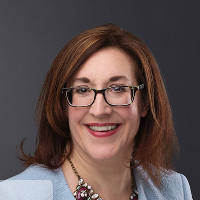
Shirley Butler
LCSW
Montana - 23 yrs exp












How CBT approaches bipolar mood conditions
Cognitive behavioral therapy is a structured, skills-focused approach that helps you identify patterns of thinking and behavior that influence mood. For bipolar, CBT targets the cognitive habits that can amplify depressive thinking as well as the routines and behaviors that may contribute to mood instability. You and your therapist work together to notice early warning signs of mood shifts, test unhelpful thoughts, and build practical routines that support more predictable daily functioning.
In practice, cognitive work helps you examine beliefs about yourself, others and the future that may worsen low mood or push you toward risky mania-related behaviors. Behavioral techniques focus on stabilizing activity - for example, pacing activity to avoid exhaustion during elevated mood and increasing structured, meaningful activity during depressive phases. Skills training often includes emotion regulation, problem solving, sleep and daily rhythm management, and strategies to reduce impulsive decision making when mood is elevated.
Finding CBT-trained clinicians who treat bipolar in Montana
When you look for a therapist in Montana, prioritize clinicians who describe CBT as a primary treatment method and who have experience working with bipolar presentations. Many licensed psychologists, clinical social workers and counselors incorporate CBT into their work, but familiarity with bipolar-specific adaptations is important. Ask prospective therapists whether they use CBT protocols tailored to bipolar mood patterns and whether they coordinate care with prescribing clinicians when medication is part of your treatment plan.
Access varies across the state, so consider both in-person and telehealth options. Cities such as Billings, Missoula, Great Falls and Bozeman often have several clinicians with specialized training, while more rural areas may rely on remote appointments to connect with CBT-trained providers. When you search listings, look for clinicians who mention mood tracking, relapse prevention planning and collaboration with other health professionals, since these elements are commonly part of CBT for bipolar.
What to expect from online CBT sessions for bipolar
If you choose telehealth, sessions typically mirror in-person CBT in structure and content. You can expect a combination of time spent reviewing your mood chart and events since the last appointment, practicing cognitive techniques together, planning behavioral experiments and setting small, measurable goals. Therapists often assign brief exercises to practice between sessions so you can apply new skills to daily life. This between-session work is a core component of CBT and helps transfer skills into routine responses to mood fluctuations.
Telehealth can make it easier to maintain a consistent schedule, which itself supports mood stability. You should confirm the platform, session length, and how the therapist handles urgent concerns before starting. A clear plan for after-hours or crisis contacts and coordination with your prescriber are practical topics to cover. Good CBT therapists will also work with you on sleep scheduling and activity patterns over video, using shared worksheets and real-time screen sharing to guide exercises.
Evidence and outcomes for CBT in bipolar care
Clinical research indicates that CBT can be a valuable component of care for bipolar mood conditions, particularly when combined with medication management and ongoing psychiatric follow-up. Studies have found that CBT helps people develop coping strategies that reduce the impact of mood swings on daily functioning and lower the chance of relapse when it is delivered as part of a comprehensive plan. In Montana, therapists trained in evidence-based CBT methods apply those same principles to local care, adapting approaches to fit rural lifestyles, seasonal schedules and community resources.
While no single therapy eliminates all risk of future episodes, CBT is focused on practical skills you can use to recognize triggers, manage stress, and adhere to routines that support stability. That emphasis on self-monitoring, problem solving and skills rehearsal is why many clinicians recommend CBT as one element of a multi-pronged treatment plan for bipolar.
Practical tips for choosing the right CBT therapist in Montana
Start by clarifying what matters most to you in therapy. You may value experience with bipolar, a therapist who coordinates with your prescriber, flexible scheduling, or an approach that emphasizes skills practice. When you contact potential therapists, ask about their training in CBT and any additional work with mood disorders. Inquire how they structure a typical course of therapy for bipolar and whether they use mood charts, thought records and behavioral experiments as part of treatment.
Consider logistics like whether you prefer an office visit in Billings, Missoula, Great Falls or Bozeman, or if telehealth makes more sense given your location and schedule. Ask about session frequency during different phases - some people meet weekly during active work on skills and taper to monthly check-ins for maintenance. Discuss fee arrangements, insurance participation and sliding scale options so you understand the financial aspects before starting.
Pay attention to how a clinician describes collaboration with other providers. Bipolar care often benefits from coordinated treatment that includes a prescriber, so a therapist who is comfortable communicating with psychiatrists or primary care clinicians can help maintain continuity of care. Also consider cultural fit - a therapist who understands your family, work and community context in Montana will tailor CBT techniques to be practical and relevant for your life.
Questions to ask when you call or email
When you reach out to a therapist, have a few questions ready. Ask how they adapt CBT for bipolar, what tools they use for mood tracking, and how they handle urgent changes in mood between sessions. You can also ask about their experience with local resources - support groups, community programs and psychiatric services in your area - since those networks can be important adjuncts to therapy. A good match often comes from asking how they would approach the specific challenges you face and whether their style feels collaborative and skills-focused.
Making the most of CBT once you start
To get the most from CBT, come prepared to practice skills between sessions. Bring a mood diary or start one in the first weeks so you and your therapist can detect patterns. Be open about medication effects, sleep changes and life events that affect mood, since those factors shape the behavioral plans you build together. Over time, you can expect to gain clearer strategies for managing mood shifts, improving problem solving and stabilizing daily routines.
Finding the right clinician may take contacting a few therapists and asking the questions that matter most to you. Use the listings on this page to connect with CBT-trained professionals across Montana, and consider meeting with a couple of providers to find a good fit. With a collaborative therapist who tailors CBT to your life, you can develop tools that help you respond to mood changes with greater confidence and practical strategies for day-to-day functioning.
Browse the profiles above to find clinicians practicing CBT in your region, whether you are near Billings, Missoula, Great Falls, Bozeman or elsewhere in the state. Reach out to a few therapists, prepare a short list of questions, and schedule an initial appointment to explore whether their approach matches your needs.