Find a CBT Therapist for Sleeping Disorders in Missouri
This page lists clinicians in Missouri who use cognitive behavioral therapy (CBT) to address sleeping disorders. You can search therapists by location and approach, learn about CBT methods, and browse profiles below to find a good match.











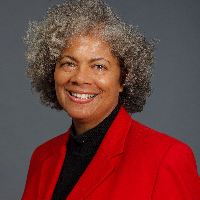
Wesley Hirst
LPC
Missouri - 25 yrs exp












How CBT Addresses Sleeping Disorders
Cognitive behavioral therapy approaches sleeping challenges by targeting the thoughts and behaviors that keep poor sleep patterns in place. CBT helps you identify unhelpful beliefs about sleep - for example, excessive worry about the consequences of a bad night - and replace them with more balanced, realistic thinking. At the same time, behavioral techniques work on the routines and environmental cues that train your body and mind to fall asleep and stay asleep.
The behavioral side often includes techniques such as stimulus control, which helps you re-associate your bedroom with sleep rather than wakeful activities, and sleep restriction, which temporarily limits time in bed to consolidate sleep and improve sleep efficiency. Relaxation training and controlled breathing are commonly taught to reduce the physical tension that interferes with falling asleep. Taken together, these cognitive and behavioral tools give you practical steps to change both the mental and physical patterns that perpetuate sleep difficulties.
Finding CBT-Trained Help for Sleeping Disorders in Missouri
When you begin looking for CBT help in Missouri, you will see clinicians practicing in a range of settings - from urban clinics to independent practices and telehealth services that serve the whole state. Pay attention to training in CBT and specifically CBT for insomnia or other sleep-related issues. Therapists may list credentials such as psychologist, licensed professional counselor, or clinical social worker and describe additional training in CBT or CBT-I, which indicates focused expertise on sleep problems. You can search by city to find clinicians near you, with many options available in Kansas City, Saint Louis and Springfield as well as in college towns like Columbia and suburban communities such as Independence.
Licensure matters because it tells you the therapist meets state standards to practice in Missouri. When you read profiles, look for information about years of experience treating sleep concerns, use of evidence-based CBT methods, and whether the clinician offers in-person appointments, teletherapy, or both. Teletherapy can be especially useful if you live outside a major metropolitan area and want access to a clinician trained in CBT for sleep without traveling long distances.
What to Expect from Online CBT Sessions for Sleeping Disorders
If you choose online CBT sessions, the structure will closely mirror in-person care while offering flexibility. Your clinician will typically begin with a detailed assessment of your sleep patterns, daytime functioning and any factors that may affect sleep such as work schedule, caregiving duties or medications. You may be asked to keep a sleep diary for one to two weeks so that you and the therapist have clear baseline data to guide treatment planning.
Sessions often combine education about sleep physiology with tailored cognitive and behavioral exercises. You will work on identifying thought patterns that heighten worry about sleep and practice strategies to shift those thoughts. Behavioral work may include establishing a consistent wake time, limiting time awake in bed and creating a pre-bed routine that promotes relaxation. Homework is a standard part of CBT - you will usually practice techniques between sessions and record outcomes so your clinician can adjust the plan. Many people find online sessions convenient, particularly if they live in outlying areas of Missouri or have busy schedules, and the interactive nature of teletherapy allows for demonstrations and guided relaxation practice in real time.
Evidence Supporting CBT for Sleeping Disorders
CBT has a strong evidence base for treating many common sleep problems and is widely recommended as a first-line behavioral approach. Research shows that cognitive and behavioral interventions can improve sleep onset, reduce night-time awakenings and enhance overall sleep quality. In clinical practice across Missouri, therapists trained in CBT apply these principles to meet the needs of diverse clients, from shift workers in Kansas City to students in Columbia and residents of suburban communities.
Local training programs and continuing education offerings in Missouri help clinicians stay current with research and refine their skills. Because CBT focuses on teachable skills and behavior change, you can often see measurable improvements within a few weeks to months of consistent practice. Your therapist will help you set realistic goals based on your situation, monitor progress, and adapt techniques when necessary to fit your lifestyle and responsibilities.
Tips for Choosing the Right CBT Therapist in Missouri
Selecting a therapist is a personal decision and finding someone whose approach fits your needs will improve the chances of a productive outcome. Start by looking for clinicians who explicitly state they use CBT and have experience working with sleep-related issues. Read profiles to learn about their training and whether they mention CBT for insomnia or similar specializations. When you contact potential therapists, ask about their typical treatment plan for sleep concerns, how they measure progress, and whether they assign sleep diaries or homework tasks between sessions.
Consider practical factors as well. Think about whether in-person meetings are important to you or whether teletherapy suits your schedule better. Check availability in your area and the clinician's cancellation and scheduling policies. If cost is a concern, ask if the therapist accepts your insurance or offers sliding scale fees. You can also inquire about experience with specific populations - for example, whether the therapist has worked with older adults, parents with young children, or people working nontraditional hours, since these contexts can affect treatment planning.
Working with Therapists in Different Missouri Communities
Your experience may vary by location, and it helps to be mindful of local resources. In larger cities like Saint Louis and Kansas City you may find a wider selection of therapists with specialized CBT training and access to supplementary services such as behavioral sleep medicine clinics. In Springfield and other mid-sized communities, clinicians often blend CBT techniques with practical scheduling to meet community needs. If you live outside a major urban center, teletherapy opens up access to clinicians with focused training in CBT for sleeping disorders so you can still receive targeted care without extensive travel.
Preparing for Your First CBT Session
Before your first appointment, consider tracking your sleep for a week using a simple diary. Note your bedtime, wake time, periods of wakefulness during the night and daytime energy levels. Jot down thoughts you have about sleep, such as worries about falling asleep or fears about daytime performance. Bringing this information to your session helps the therapist tailor interventions and gives you a clear starting point to measure change. Be prepared to discuss lifestyle factors that may influence sleep and to try exercises between sessions - CBT is an active therapy that relies on practice outside the therapy hour.
Moving Forward
Finding a clinician who uses CBT for sleeping disorders in Missouri can give you a structured, skills-based path to better sleep habits and more predictable nights. Whether you prefer to meet in person in Kansas City, Saint Louis or Springfield or to work with a clinician online, you can find therapists who focus on evidence-based cognitive and behavioral tools. Browse the listings below to review profiles, check qualifications and reach out to clinicians who match your needs. Starting a conversation is often the first step toward clearer sleep routines and more manageable nights.