Find a CBT Therapist for Self-Harm in Missouri
This page lists clinicians across Missouri who use cognitive behavioral therapy to help people managing self-harm. You will find profiles of therapists trained in CBT and information to help you choose a therapist in your area. Browse the listings below to compare approaches, locations, and specialties.








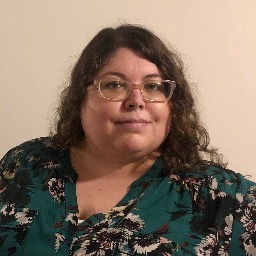
Jessica Erickson
LPC
Missouri - 5 yrs exp










How CBT Addresses Self-Harm
Cognitive behavioral therapy focuses on the link between thoughts, feelings, and behaviors. When it comes to self-harm, CBT helps you identify the thought patterns and emotional states that commonly precede urges to hurt yourself. Through careful work with a therapist you can learn to recognize the sequences that lead to self-harm and to interrupt them with alternative coping strategies. CBT treats both the thinking patterns that justify or maintain the behavior and the behavioral routines that make self-injury an accessible response to stress.
Therapists trained in CBT use methods such as cognitive restructuring to challenge unhelpful beliefs, emotion regulation skills to reduce overwhelming feelings, and behavioral experiments to test new ways of responding. They often work with you to build a toolbox of techniques you can use when urges arise - these might include grounding exercises, distraction techniques, and step-by-step plans that reduce immediate risk. Over time the goal is to replace self-harm with safer ways to cope and to strengthen skills that reduce the intensity and frequency of urges.
Finding CBT-Trained Help for Self-Harm in Missouri
When you search for CBT therapists in Missouri, you will encounter clinicians practicing in urban centers and smaller communities. Major metropolitan areas such as Kansas City and Saint Louis host many clinicians with formal CBT training and specializations in self-harm. Springfield and Columbia also have providers who combine CBT with experience working with adolescents, young adults, and other groups commonly affected by self-harm. If you live in a smaller town, many clinicians in Independence and surrounding counties maintain active CBT practices and offer in-person or online sessions.
Look for clinicians who describe specific CBT training, such as coursework, certification, or supervised experience treating self-harm or related concerns. Therapists often list the age ranges they work with, modalities they use, and whether they offer short-term, skills-focused CBT or longer-term integrative approaches. When you review profiles, pay attention to descriptions of safety planning, crisis protocols, and collaborative care with medical providers when relevant. Clear communication about approach and experience helps you find a clinician who fits your needs and expectations.
What to Expect from Online CBT Sessions for Self-Harm
Online CBT sessions follow many of the same principles as in-person therapy, with adaptations for a virtual setting. Sessions typically begin with assessment and goal-setting so that you and your therapist agree on what to focus on and how progress will be measured. You can expect an early emphasis on identifying triggers, mapping thoughts and emotions, and learning immediate skills to manage distress. Therapists will often assign practice exercises to complete between sessions - these are an essential part of CBT because they allow you to apply new skills in everyday situations.
In a telehealth session you will work through cognitive techniques such as examining evidence for unhelpful thoughts, and behavioral tasks like scheduling activities that reduce isolation. Your therapist may guide you through a chain analysis - a step-by-step review of the events, thoughts, feelings, and consequences that lead to a self-harm episode - with the goal of identifying points where different choices are possible. Many therapists also help you create a personalized safety plan and rehearse how to use it when urges increase. To make online sessions effective, choose a quiet, comfortable environment where you can speak openly and concentrate, and discuss any concerns about privacy or technology with your clinician before beginning sessions.
Practical Considerations for Online Work
Online CBT can expand access to trained clinicians across Missouri, particularly if you live outside Kansas City or Saint Louis. It allows continuity of care when travel or scheduling are barriers. You should confirm that the therapist is licensed to practice in your state and discuss how they handle emergencies and same-day support. Establishing clear boundaries around session length, homework expectations, and communication methods will help you get the most from online CBT.
Evidence Supporting CBT for Self-Harm
A growing body of research indicates that CBT-based approaches can reduce the frequency of self-harm and strengthen coping skills. Clinical studies have explored techniques such as dialectical adaptations, cognitive restructuring, and problem-solving training, and many report improvements in emotional regulation and reductions in harmful behaviors. While outcomes vary across individuals and treatment models, the evidence supports CBT as a practical, skills-focused option that targets both the thoughts and actions linked to self-harm.
In Missouri, clinicians often draw on established CBT protocols and adapt them to local resources and cultural contexts. Providers in urban centers and university towns may also collaborate with academic programs or community health systems to integrate evidence-based practices into their work. When you evaluate a therapist, ask about the specific CBT methods they use and whether they track progress with measurable goals. A therapist who can explain the rationale for chosen techniques and how success will be assessed is likely to offer a more guided and effective course of treatment.
Tips for Choosing the Right CBT Therapist for Self-Harm in Missouri
Choosing a therapist is both a practical and personal decision. Start by clarifying what you want from therapy - immediate coping strategies, longer-term change, adolescent or family-focused care, or support that coordinates with medical treatment. Look for therapists who explicitly mention CBT and experience working with self-harm in their profiles. If you prefer in-person work, review locations and travel times in cities like Kansas City, Saint Louis, or Springfield. If online sessions are more convenient, confirm licensure and ask how the clinician manages crisis situations remotely.
During an initial conversation you can ask about the therapist's experience with CBT techniques for self-harm, the typical length of treatment, and the kinds of homework you might be asked to complete. Discuss how they involve families or other supports if relevant, and whether they collaborate with psychiatrists or emergency services when needed. Trust your impressions of the therapeutic relationship - a good match is one where you feel heard, respected, and understood. If the first clinician is not the right fit, consider trying another profile until you find someone whose approach and interpersonal style align with your needs.
When Immediate Help Is Needed
If you are facing an immediate risk of harm, contact local emergency services or a crisis line right away. A CBT therapist can help reduce risk over time and teach skills for managing urges, but urgent situations require prompt local response. Many clinicians will provide information about crisis resources in Missouri and help you link with walk-in services or medical care if needed. Planning for access to emergency support before a crisis occurs can make it easier to use CBT skills when urges are high.
Finding Ongoing Support in Missouri
Therapy for self-harm often evolves over time from immediate safety work to building resilience and addressing underlying issues. In Missouri you can access a range of CBT-trained clinicians who specialize in adolescents, adults, or specific life stages. Cities such as Kansas City, Saint Louis, and Springfield offer diverse options, and online therapy expands those choices further. As you move through treatment, expect your therapist to revisit goals, measure progress, and adjust techniques to match your changing needs.
Choosing a CBT therapist is an important step toward managing self-harm and strengthening coping skills. By understanding how CBT works, what to expect from online and in-person sessions, and what questions to ask when selecting a clinician, you can find care that fits your life and supports your recovery. Use the listings on this page to compare clinicians, read descriptions of their approaches, and reach out to begin a conversation about how CBT can help you move forward.