Find a CBT Therapist for Post-Traumatic Stress in Missouri
This page helps you find therapists in Missouri who use cognitive behavioral therapy (CBT) to address post-traumatic stress. Browse listings below to compare training, availability, and approaches so you can find a CBT clinician who fits your needs.











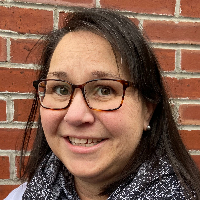

Cynthia Moses
LSCSW, LCSW
Missouri - 3 yrs exp










How CBT treats post-traumatic stress
Cognitive behavioral therapy approaches post-traumatic stress by targeting the thoughts, memories, and behaviors that keep distress alive. You will work with a clinician to identify patterns of thinking that reinforce a sense of ongoing threat - for example beliefs that the world is completely unsafe or that you are to blame for what happened. Through structured techniques you learn to re-evaluate those thoughts and to develop more balanced interpretations, which reduces the power of intrusive memories and hypervigilance.
On the behavioral side, CBT emphasizes gradual relearning. Avoidance is a natural response after trauma, but avoiding reminders often prolongs distress. Your therapist helps you approach avoided situations or memories in a safe, controlled way so that feared outcomes do not become reinforced. This can include imaginal work, where you revisit memories in session to process them differently, and in vivo practice, where you gradually face real-world situations you have been avoiding. Over time these experiences help dissolve rigid fear responses and restore confidence in daily functioning.
Finding CBT-trained help for post-traumatic stress in Missouri
When searching in Missouri, you can look for therapists who explicitly list training in trauma-focused CBT approaches and who describe experience treating post-traumatic stress. Many clinicians you find in urban centers such as Kansas City, Saint Louis, and Springfield offer specialized training, but skilled practitioners are also available throughout the state. You should check clinician profiles for specific mentions of trauma-focused training, workshops, certifications in exposure-based methods, and ongoing supervision in CBT techniques. If a profile is brief, you can reach out and ask about their specific experience with trauma-related work and whether they use structured CBT protocols.
Licensing and professional background matter for understanding scope of practice. Therapists in Missouri may hold credentials such as licensed professional counselor, clinical social worker, psychologist, or marriage and family therapist. Ask about the clinician’s experience working with trauma populations and whether they tailor CBT strategies to your age, culture, and life context. Accessibility varies by region, so if you live outside major metro areas you might prioritize clinicians who offer telehealth or hybrid scheduling to reduce travel barriers.
What to expect from online CBT sessions for post-traumatic stress
Online CBT sessions for post-traumatic stress follow many of the same principles as in-person work, while offering the convenience of remote access. You can expect an initial assessment to map current symptoms, trauma history, coping strategies, and goals. From there your therapist will outline a treatment plan that balances cognitive work and behavioral exposures, and will often assign structured practice between sessions so progress continues outside of meetings.
Telehealth sessions typically last 45 to 60 minutes and rely on secure video platforms that allow you and your therapist to interact face-to-face. During an online session you may do cognitive restructuring exercises together, review workbook-style materials, and practice grounding skills. Exposure exercises can be adapted for remote delivery; for example, imaginal exposures are conducted with the clinician guiding you through memory processing, while in vivo exposures are planned tasks you complete between sessions and then discuss. You should also talk with your therapist about safety and crisis plans so you know what steps will be taken if you feel overwhelmed between sessions.
Evidence supporting CBT for post-traumatic stress in Missouri
CBT-based approaches for post-traumatic stress have a strong research foundation and are widely recommended by clinical guidelines. Therapists who practice trauma-focused CBT methods often use structured, manual-informed techniques that have been studied across diverse settings and populations. In Missouri, as in other states, many clinicians adopt these evidence-based practices as part of their trauma work, and local training programs and professional networks support ongoing clinician development in these approaches.
When considering treatment, it is helpful to ask prospective therapists how they measure progress. Reliable clinicians will describe outcome measures and symptom tracking used to gauge response to CBT interventions and will adjust the plan based on your progress. While individual results vary, the structured and skills-focused nature of CBT gives you clear steps to practice and monitor, which many people find empowering when managing symptoms tied to traumatic experiences.
Tips for choosing the right CBT therapist for post-traumatic stress in Missouri
Choosing a therapist is both practical and personal. Begin by looking for clinicians who emphasize trauma-focused CBT training and who describe specific techniques they use for post-traumatic stress. You should ask about their experience with exposures, cognitive processing, and co-occurring issues like anxiety or mood symptoms. It is reasonable to request examples of how they would structure a typical course of CBT for someone with your concerns so you can get a sense of fit.
Consider logistics such as location, availability, and insurance or payment options. If you live near Kansas City, Saint Louis, or Springfield you will likely find a wider selection of clinicians and specialty services, but clinicians across Missouri may offer evening hours or telehealth to accommodate your schedule. Ask about session frequency and duration, whether they assign homework between sessions, and how they handle coordination with other providers if you receive care elsewhere. Accessibility considerations also include language preference and cultural competence, so inquire about experience working with people from backgrounds similar to yours.
Therapeutic alliance matters. Even when a clinician has excellent training, you should feel comfortable bringing up difficult memories and working through challenging exercises. If you do not feel that connection after a few sessions, it is acceptable to try a different therapist. Many people benefit from a brief initial consultation to gauge rapport and to make sure the therapist’s approach to CBT and trauma processing feels right for them.
Getting started and next steps in Missouri
Starting CBT for post-traumatic stress involves a combination of practical steps and personal readiness. You can begin by using the listings on this page to identify clinicians who mention trauma-focused CBT, then contact a few to compare approaches, availability, and fees. Prepare a brief summary of your main concerns and goals so you can use initial consultations efficiently. If you are seeking care in a specific city, consider searching profiles in Kansas City, Saint Louis, or Springfield first, while keeping an eye out for clinicians offering telehealth across Missouri.
As you begin therapy, keep in mind that CBT emphasizes active participation. You will be asked to practice skills, reflect on thoughts and behaviors, and engage in exercises that may feel challenging at times. Many people find that the predictable structure and focus on skill-building make progress feel tangible. If you encounter setbacks, talk openly with your therapist - adjusting pace, technique, or supports is a normal part of effective CBT work.
Conclusion
CBT offers a clear, skills-oriented path for addressing post-traumatic stress, and you can find trained clinicians across Missouri who specialize in these approaches. By looking for trauma-focused CBT experience, asking practical questions about treatment structure and logistics, and prioritizing a good therapeutic fit, you increase the likelihood of finding a clinician who can help you move toward reduced distress and improved daily functioning. Use the listings below to start contacting therapists and take the next step toward finding CBT help that meets your needs.