Find a CBT Therapist for Personality Disorders in Missouri
This page lists CBT therapists in Missouri who focus on personality disorder treatment. Profiles highlight clinicians trained in cognitive behavioral approaches across major cities including Kansas City, Saint Louis, Springfield, Columbia, and Independence. Browse the listings below to compare experience, specialties, and contact options.







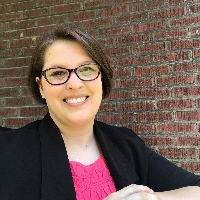
Jessica Erickson
LPC
Missouri - 5 yrs exp











How CBT Specifically Treats Personality Disorders
Cognitive behavioral therapy, commonly called CBT, approaches personality disorders by addressing the patterns of thought and behavior that contribute to long-standing difficulties in relationships, mood, and self-image. Rather than treating a personality disorder as a fixed trait, CBT breaks problems into manageable components - the ways you think about yourself and others, the emotional reactions that follow, and the behaviors that maintain those states. Treatment typically focuses on identifying automatic thoughts and core beliefs that lead to rigid or extreme interpretations of events, then testing and reworking those beliefs through behavioral experiments and reflective practice.
In practical terms, CBT helps you notice how a particular thought - for example, the belief that others will always abandon you - shapes emotions like anxiety or anger and prompts behaviors such as withdrawal, confrontation, or self-sabotage. With a therapist trained in CBT for personality disorders, you will learn strategies to slow down automatic reactions, examine evidence for and against core beliefs, and practice alternative responses in real-life situations. Over time, these repeated cognitive and behavioral exercises can reduce patterns of conflict and improve your ability to regulate emotions and maintain healthier relationships.
Finding CBT-Trained Help for Personality Disorders in Missouri
When searching for a CBT therapist who focuses on personality disorders in Missouri, look for clinicians who list cognitive behavioral therapy and related evidence-based modalities in their profiles. In larger metro areas such as Kansas City and Saint Louis, you will often find clinicians with specialized training in dialectical behavior-informed CBT strategies or schema-informed approaches, which adapt core CBT principles for long-standing personality patterns. In communities like Springfield and Columbia, therapists may offer a mix of individual and group formats that emphasize skills practice alongside cognitive restructuring.
Licensure and training matter, but so does fit. Many therapists include information about their clinical focus, years of experience, and whether they offer targeted interventions for interpersonal difficulties, emotional dysregulation, or identity-related concerns. When browsing profiles, pay attention to descriptions of therapeutic approach, any specialized training in CBT adaptations for personality disorders, and whether the therapist mentions work with trauma or attachment-related issues, as these areas commonly intersect with personality-related symptoms.
What to Expect from Online CBT Sessions for Personality Disorders
Online CBT sessions follow the same structure as in-person work, while offering greater convenience and geographic reach across Missouri. You can expect an initial assessment session to map current difficulties, establish treatment goals, and create a collaborative plan. Early sessions often focus on psychoeducation - learning how thoughts, feelings, and behaviors interact - and on building skills for emotion regulation and distress tolerance. Therapists typically assign between-session exercises to practice new responses and to collect real-world data that can be reviewed in therapy.
Therapy delivered over video can be particularly helpful if transportation or local availability limits your options in smaller towns. In Kansas City or Saint Louis, you may have more choice of clinicians and specialty programs, whereas online sessions make specialized CBT-trained clinicians reachable even if they are based in another region of Missouri. Expect to use worksheets, guided exercises, and role-plays adapted for telehealth, and plan for regular check-ins on progress and adjustments to techniques based on what helps most.
Evidence Supporting CBT for Personality Disorders
Research over the past decades has established CBT-based adaptations as effective options for many people experiencing personality-related difficulties. Studies emphasize measurable improvements in interpersonal functioning, symptom severity, and coping skills when CBT principles are applied consistently. In clinical practice across Missouri, therapists integrate CBT with skills training and targeted interventions to address unstable mood, impulsivity, and problematic interpersonal patterns. While outcomes vary by individual and by diagnosis, the evidence supports the use of structured, skills-focused CBT approaches as a core component of treatment planning for personality disorders.
It is important to remember that progress often unfolds over months rather than weeks. CBT for personality disorders tends to be more structured and longer in duration than brief CBT for depression or anxiety, because it addresses deeply ingrained patterns. Therapists in cities like Springfield and Columbia may offer stepped care models or group skills training as part of a larger CBT plan, which can provide additional opportunities to practice interpersonal skills in a therapeutic setting.
Tips for Choosing the Right CBT Therapist in Missouri
Choosing a therapist is a personal process and it helps to approach it with clear priorities. Start by identifying the features that matter most - whether it is specific experience with a particular personality diagnosis, a focus on skills training, availability for evening appointments, or the option of online sessions. When reviewing profiles, notice how therapists describe their approach to CBT for personality disorders - look for language about collaboration, measurable goals, and a focus on both cognitive restructuring and behavioral change.
It is reasonable to ask prospective therapists about their training in CBT adaptations for personality disorders, how they measure progress, and what a typical session focuses on. You may want to inquire about how they handle crisis situations and how they coordinate care if medication or other services are part of your plan. For people living in or near Kansas City, Saint Louis, or Springfield, consider whether you prefer an in-person clinician or if telehealth would increase your access to a therapist with the exact clinical fit you want. A good match includes both professional expertise and a working style that feels respectful and practical to you.
Practical Considerations Across Missouri
Practical factors influence how therapy fits into your life. Insurance acceptance, sliding scale fees, wait times, and session length vary from practice to practice. Urban areas often provide more options and shorter waitlists, while rural locations may require a greater reliance on telehealth. Transportation, work schedules, and childcare can also shape your decision, so consider what you can commit to when planning treatment. If group-based CBT skills training is available in your area, it can be a cost-effective way to learn and practice new strategies while connecting with others facing similar challenges.
Moving Forward with CBT in Missouri
Beginning CBT for a personality disorder is a step toward reshaping long-standing patterns that affect relationships and daily functioning. By focusing on concrete skills - modifying unhelpful thoughts, experimenting with new behaviors, and practicing emotional regulation - you and your therapist can work toward clearer goals and measurable changes. Whether you live in Kansas City, Saint Louis, Springfield, Columbia, or Independence, TherapistDirectory can help you identify clinicians who emphasize CBT-informed approaches and who describe a treatment philosophy that aligns with your needs.
Take time to read therapist profiles, reach out with questions about their CBT training and experience, and consider brief consultations to assess fit. The therapeutic relationship and a clear plan for practice outside of sessions are central to progress. With the right CBT-trained clinician, you can build skills that make daily interactions more manageable and that provide a foundation for long-term change.