Find a CBT Therapist for Obsession in Missouri
This directory page highlights clinicians in Missouri who use cognitive behavioral therapy to address obsession-related concerns. Review listings below to compare approaches, locations, and availability when choosing care.




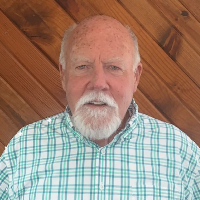





Jessica Erickson
LPC
Missouri - 5 yrs exp













How CBT Addresses Obsession
Cognitive behavioral therapy, or CBT, approaches obsession by targeting the thought patterns and behaviors that maintain repetitive, distressing mental experiences. In practice you and your therapist work together to identify the beliefs and automatic reactions that keep obsessional thinking active. Cognitive techniques help you test and reframe unhelpful interpretations, while behavioral strategies provide structured ways to change the reactions that reinforce the cycle of obsession.
A core behavioral element used by many CBT clinicians for obsession is exposure with response prevention. With careful planning you gradually face triggers or intrusive thoughts in a way that prevents the usual rituals or avoidance behaviors. Over time this reduces the intensity of the obsessional loop and helps you build tolerance for uncertainty and discomfort. A CBT therapist guides each exposure so that it feels manageable and links the exercises to the cognitive reframing work you do between sessions.
The cognitive work
The cognitive side of CBT teaches you to observe thinking patterns without automatically accepting them as accurate or dangerous. You learn to spot cognitive distortions - such as overestimation of risk, catastrophic predictions, and black-and-white thinking - and to test these assumptions with real-world experiments. That process not only alters how you interpret intrusive thoughts but also reduces the urge to respond to them with compulsive behavior.
The behavioral work
Behavioral techniques give you practical tools to change what you do when obsessional thoughts appear. Rather than attempting to suppress or avoid distressing thoughts, you practice alternative responses that allow the thoughts to pass without fueling further rituals. Homework between sessions is a central part of this model, because consistent practice is what transfers learning into everyday life.
Finding CBT-Trained Help for Obsession in Missouri
When you look for a clinician in Missouri who focuses on obsession with a CBT orientation, start by checking credentials and training in evidence-based approaches. Many therapists list CBT training and specific experience with exposure-based methods in their profiles. Licensing titles vary - you may see psychologists, licensed clinical social workers, licensed professional counselors, or other mental health professionals who offer CBT-informed care. In larger population centers like Kansas City, Saint Louis, and Springfield you will often find clinicians with additional training in exposure-based CBT and experience treating a range of obsessional difficulties.
Consider the therapist's approach to assessment and treatment planning. A clinician who uses CBT typically begins with a clear assessment of how obsession shows up in your life, discusses measurable goals, and proposes a structured plan that includes both in-session work and between-session practice. If you prefer in-person care, check locations and travel time. If you need remote access, many Missouri clinicians offer video sessions or blended care that combines occasional in-person meetings with online sessions.
Where to look and what to ask
Search the directory for therapists who explicitly mention CBT, exposure with response prevention, or related training. When you contact a clinician or their office, ask about their experience treating obsessional problems, how they structure CBT for this concern, and what kind of homework they typically assign. Also ask about session length and frequency, how progress is measured, and whether they coordinate care with other providers if needed.
What to Expect from Online CBT Sessions for Obsession
If you choose remote CBT sessions, you can expect the same core elements as in-person therapy - assessment, cognitive work, behavioral experiments, and homework - translated to a virtual setting. Sessions are usually conducted through video and include discussion, interactive exercises, and planning for exposures and practice between appointments. Many clinicians will demonstrate techniques on screen, share worksheets, and use screen-sharing to walk through cognitive restructuring exercises together.
Online CBT can make it easier to schedule regular appointments and to involve aspects of your real-life environment in treatment. For example, exposures that draw on triggers in your own home or daily routine can be planned and practiced with the clinician present by video. If you choose remote care, confirm technology requirements, privacy protections, and how materials such as worksheets will be shared. Clear communication about expectations and technical setup helps sessions run smoothly and keeps the focus on therapeutic work.
Evidence and Practical Outcomes
Research and clinical guidelines support the use of CBT and exposure-based techniques for obsessional presentations. Clinicians across Missouri commonly adopt these evidence-informed strategies because they offer structured ways to reduce distress and improve daily functioning. In clinical practice you will often find that therapists measure progress with standardized tools and regular check-ins, which helps track improvements and guide adjustments to the treatment plan.
Outcomes vary by individual, and progress depends on consistent practice, a collaborative therapist-client relationship, and tailoring interventions to your specific concerns. In city centers like Kansas City and Saint Louis, you may have access to clinicians involved in ongoing professional training and local clinical networks that emphasize best practices. In smaller communities, therapists frequently maintain strong generalist skills while integrating CBT techniques into their work.
Tips for Choosing the Right CBT Therapist in Missouri
Choosing a therapist is a personal process and a good fit matters for progress. Look for a clinician who communicates clearly about how CBT addresses obsession, who outlines a realistic plan for treatment, and who listens to your priorities. It is reasonable to ask about the therapist's training in exposure techniques, how they handle setbacks, and how they adapt interventions to match your pace. You may also want to learn whether they use measurement tools to track change and how they incorporate your feedback into the plan.
Practical considerations are important as well. Consider location and commute time if you prefer in-person work, or confirm the availability of telehealth if that suits you better. Ask about payment options, insurance acceptance, sliding scale availability, and session scheduling. If cultural understanding or specialized knowledge matters to you, inquire about the therapist's experience working with clients from similar backgrounds or life circumstances. In communities such as Springfield and Columbia you can often find practitioners who combine CBT training with local community knowledge.
Working Together for Lasting Change
CBT for obsession is collaborative and skills-focused. When you partner with a clinician who emphasizes evidence-informed methods, you can expect a plan that combines careful assessment, cognitive exploration, and graduated behavioral practice. Over time many people report greater confidence in facing triggers, reduced interference from obsessional thinking, and improved ability to pursue valued activities without being driven by ritualized responses.
Start by reviewing therapist profiles in this directory, paying attention to descriptions of CBT and exposure-based work. Reach out with questions about training, approach, and practical details so you can make an informed choice. Whether you live in a large metropolitan area like Kansas City or Saint Louis, or in smaller towns across Missouri, there are clinicians who bring CBT principles to the treatment of obsession and who can help you develop the skills to manage symptoms and regain a sense of agency in daily life.