Find a CBT Therapist for Depression in Missouri
This page connects you with therapists in Missouri who specialize in cognitive behavioral therapy (CBT) for depression. You will find clinician profiles organized by location and treatment focus, highlighting CBT-trained approaches.
Browse the listings below to review qualifications, approaches, and availability so you can choose a therapist who fits your needs.







Hillary Haarmann
LCSW
Missouri - 20 yrs exp


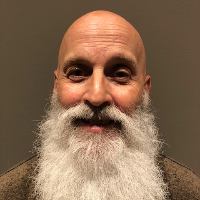







Cynthia Moses
LSCSW, LCSW
Missouri - 3 yrs exp







How CBT Addresses Depression
Cognitive behavioral therapy targets the two interacting systems that often contribute to depression - the way you think and the way you act. In CBT you learn to identify recurring negative thoughts that shape your mood and to test those thoughts against reality. That cognitive work is paired with behavioral strategies that help you re-engage with activities that bring meaning or pleasure, build routines, and interrupt patterns of avoidance that can deepen low mood. Because thoughts, behaviors, and emotions influence each other, changing one area can create ripple effects that improve daily functioning.
Rather than focusing on a single cause, CBT gives you tools to notice automatic thoughts - quick negative interpretations you might not realize you are making - and to develop alternative, more balanced perspectives. At the same time, your therapist helps you design manageable behavioral experiments and activity plans. These experiments are practical ways to test new predictions about what will happen if you change a thought or behavior, and they provide real-world evidence that can shift long-held beliefs.
Cognitive elements
During cognitive work you will learn to spot thinking patterns such as all-or-nothing thinking, overgeneralization, or catastrophizing. Your therapist will guide you through techniques like thought records and Socratic questioning so you can evaluate the evidence for and against a thought and develop more adaptive interpretations. Over time, this practice can reduce the intensity and frequency of distressing thoughts.
Behavioral elements
Behavioral activation is a core component of CBT for depression. This approach helps you gradually increase engagement in activities that provide a sense of mastery or enjoyment, even when motivation is low. You and your therapist will plan specific, achievable tasks and track how they affect your mood. This process restores positive reinforcement to your day-to-day life and can help break the cycle of withdrawal and isolation that often accompanies depression.
Finding CBT-Trained Help for Depression in Missouri
When searching for a CBT therapist in Missouri, look for clinicians who list CBT as a primary treatment approach and who have experience working with depression. Many therapists hold licenses such as Licensed Professional Counselor, Licensed Clinical Social Worker, Licensed Marriage and Family Therapist, or are psychologists with doctoral training. You can review profiles to see training, certifications in CBT or related therapies, and descriptions of clinical focus. Practitioners based in larger metropolitan areas like Kansas City or Saint Louis may offer specialized CBT programs, while clinicians in Springfield or other regions may combine CBT with approaches tailored to rural or community needs.
It can help to read a clinician's summary to understand whether they emphasize structured CBT protocols, like behavioral activation or cognitive restructuring, or whether they integrate CBT skills within a broader therapy style. If you prefer in-person sessions, filter for therapists near your city or neighborhood. If flexibility is important, look for clinicians who offer remote sessions or hybrid arrangements so you can combine in-person meetings with virtual work when needed.
What to Expect from Online CBT Sessions for Depression
Online CBT sessions follow the same core principles as in-person work but adapt the tools and exercises for a digital setting. You can expect a structured session flow where you and your therapist review homework, identify target thoughts or behaviors for the week, and practice skills together. Many therapists use screen-sharing to complete thought records or activity schedules during the session so you leave with clear tasks to try between appointments.
To get the most out of online sessions, choose a quiet, comfortable private space where you will not be interrupted. Bring a notebook or digital document to track homework and note patterns between sessions. Sessions typically last 45 to 60 minutes and often start weekly before spacing out as you make progress and learn to apply CBT skills independently. Your therapist may assign brief exercises to do between sessions, such as mood monitoring, behavioral experiments, or brief cognitive restructuring worksheets. These between-session activities are a crucial part of learning and applying CBT techniques.
Evidence Supporting CBT for Depression
Cognitive behavioral therapy has a substantial research base demonstrating its effectiveness in reducing depressive symptoms and improving functioning. Studies conducted across diverse settings show that CBT can be helpful when delivered in both individual and group formats, and that it can be combined with other treatments when appropriate. In Missouri, clinicians in hospitals, community clinics, university training programs, and private practice commonly use CBT because it is a well-validated, time-limited approach that emphasizes skill-building and measurable goals.
While research supports CBT as a strong option for many people with depression, outcomes depend on several factors including treatment fit, therapeutic alliance, and the consistency of practice between sessions. CBT is not a one-size-fits-all answer, but if you engage with the methods and collaborate closely with your therapist, you are more likely to see meaningful changes in mood and behavior.
Tips for Choosing the Right CBT Therapist in Missouri
Start by clarifying what you want from therapy - symptom relief, improved coping strategies, or help regaining interest in daily life - and use those goals to guide your search. When you review therapist profiles, pay attention to stated experience with depression and the specific CBT techniques they emphasize. Many therapists offer an initial consultation, which is a good opportunity to ask about their training in CBT, how they measure progress, and what a typical treatment plan looks like.
Consider practical factors such as location and scheduling. If you live near Kansas City or Saint Louis, you may have access to clinicians with specialized CBT training or university-affiliated programs. If you are based in Springfield or a smaller community, ask about telehealth availability or flexible appointment times. Insurance coverage and session fees are also important - ask about sliding scale options or whether the therapist accepts your plan. Equally important is how you feel in the first few meetings. Good CBT work is collaborative and structured, so you should leave sessions with clear takeaways and tasks to practice.
Finally, trust your instincts. If a therapist's style or approach does not feel like a fit after a few sessions, it is reasonable to look for another clinician whose methods and personality align with your preferences. Effective CBT often depends on a strong working relationship, a clear plan, and regular practice of the skills you learn.
Local Considerations and Next Steps
Missouri offers a range of CBT-trained clinicians across urban and rural areas. Whether you choose a therapist near Kansas City, Saint Louis, Springfield, or elsewhere in the state, you can find professionals who specialize in depression and who use structured CBT methods. Start by reviewing profiles, scheduling consultations, and asking about treatment focus and experience. With the right match and consistent effort, CBT can equip you with practical strategies to manage low mood and build more satisfying daily routines.
Use the listings on this page to compare clinicians, review specialties, and arrange an introductory conversation. That first step can help you determine whether a particular therapist's approach fits your needs and how you might begin working together toward clearer thinking and more active living.