Find a CBT Therapist for Coping with Life Changes in Missouri
This page highlights clinicians across Missouri who use cognitive behavioral therapy to help people manage life transitions and big changes. Browse the CBT therapist listings below to compare approaches, locations, and availability.







Hillary Haarmann
LCSW
Missouri - 20 yrs exp








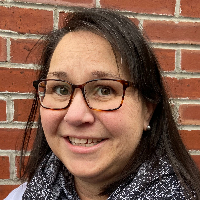

Cynthia Moses
LSCSW, LCSW
Missouri - 3 yrs exp







How CBT helps you cope with life changes
Cognitive behavioral therapy focuses on the links between thoughts, emotions, and actions - and it gives you tools to change patterns that make transitions harder. When you face a major life change such as a career shift, a move, loss, or relationship transition, your mind can generate unhelpful assumptions and automatic reactions. CBT helps you notice those thought patterns, test whether they are accurate, and try alternative ways of thinking that reduce overwhelm. At the same time, CBT emphasizes concrete behavioral experiments and skill-building so that new thinking translates into new habits and responses.
Cognitive and behavioral mechanisms
CBT starts with a clear model: thoughts influence feelings, feelings influence behavior, and behavior then feeds back into thoughts. In practical terms, you learn to identify automatic thoughts that escalate stress - for example catastrophizing or overgeneralizing - and then to challenge them with evidence-based questions. Your therapist will guide you through structured exercises to reframe those thoughts and to plan behavioral steps that test new beliefs. Over time, repeated success with small behavioral experiments reshapes both your expectations and emotional reactions. This combination of cognitive restructuring and behavioral activation creates a measurable pathway for adapting to change.
Finding CBT-trained help for life changes in Missouri
Searching for a therapist who practices CBT and has experience with life transitions will increase the chance that you get targeted, skills-based support. In Missouri you can find clinicians who list CBT as their primary approach and who describe experience with specific transitions such as divorce, retirement, relocation, career change, or grief. Look for professionals who describe the use of cognitive restructuring, activity planning, exposure to uncertainty, or problem-solving therapy in their profiles. Many therapists practicing in larger metro areas like Kansas City or Saint Louis also offer specialized groups and workshops focused on adapting to change, while clinicians in Springfield, Columbia, and Independence may emphasize local community resources and practical scheduling options that fit regional needs.
When you review profiles, pay attention to how therapists describe their treatment structure. CBT tends to be time-limited and goal-oriented, and therapists who use this model will often outline typical session numbers, homework expectations, and measurable goals for progress. You can also check for additional training in CBT-related approaches - for example training in brief CBT interventions, acceptance-based CBT, or CBT for stress management - to find someone whose style matches what you want.
What to expect from online CBT sessions for coping with life changes
Online CBT sessions follow the same structured approach as in-person care, but with added convenience. You can expect sessions to include a brief check-in on symptoms or mood, review of homework or behavioral experiments, a focused practice or skill for that session, and a plan for the coming week. Therapists often use shared documents, worksheets, and screen-sharing to practice cognitive techniques together. If you prefer remote care because of travel, work hours, or mobility, online sessions make it easier to keep continuity and to access clinicians across Missouri, whether they are based in Kansas City, Saint Louis, Springfield, or smaller towns.
To get the most from online work, prepare a quiet place with minimal distractions, a stable internet connection, and any notes from previous sessions. Be ready to do between-session exercises - those assignments are central to CBT and are where much of the change happens. If you have concerns about technology or privacy in your home, discuss them with the therapist prior to starting so you can agree on a comfortable approach for remote sessions.
Evidence supporting CBT for coping with life changes
CBT is among the most widely studied psychological approaches for helping people navigate stress, adjustment, and transitions. Research consistently shows that learning targeted cognitive and behavioral skills reduces distress and improves functioning when people face major life shifts. While individual outcomes vary, the skills-oriented nature of CBT makes it especially useful when you need practical tools to manage uncertainty, develop problem-solving capacity, and restore daily routines. In Missouri, many clinics and private practitioners adapt CBT practices to local populations and community needs, offering culturally attuned and context-sensitive care whether you are in an urban center or a smaller community.
Because CBT emphasizes measurable goals and regular review, you and your therapist can track progress over weeks and months. That measurement approach helps you see what is working and what needs adjustment, which can be reassuring during times of change when steady evaluation feels important.
Tips for choosing the right CBT therapist in Missouri
Choosing a therapist is a personal process and practical considerations matter. Start by clarifying what kind of life change you are coping with and what outcomes you want - for example reducing anxiety about a career move, adjusting after a relationship change, or managing grief while maintaining daily responsibilities. Use that clarity to narrow your search to clinicians who highlight relevant experience and evidence-based CBT methods. If location matters, search for therapists who work near you or who offer telehealth across Missouri cities like Kansas City, Saint Louis, and Springfield. If timing is critical, look for availability that matches your schedule and ask about session length and frequency.
What to ask during an initial contact
When you reach out, ask how the therapist applies CBT to life transitions, how they set goals with clients, and what a typical course of treatment looks like. Inquire about their experience with situations similar to yours and whether they assign between-session practice. Ask about fees, insurance participation, and cancellation policies so you understand the logistics. It is also reasonable to ask about cultural competence and how they tailor CBT to different backgrounds and life contexts. A short phone or email exchange can give you a sense of fit before scheduling a first appointment.
Therapeutic fit includes practicalities and rapport. You want to feel that the therapist listens to what you value and that they explain techniques in a way that makes sense to you. If you do not feel comfortable after a few sessions, it is okay to seek a different match. Many people try one or two clinicians before finding the relationship that helps them move forward.
Bringing CBT skills into everyday life
One of the strengths of CBT is that it equips you with habits you can use long after active treatment ends. You will likely practice thought records, behavioral planning, graded exposure to feared situations, and problem-solving exercises. Over time these tools help you approach future changes with greater resilience and a clearer plan of action. Whether you live in a busy neighborhood in Kansas City, a suburban area near Saint Louis, or a smaller community in Springfield or Columbia, CBT skills are portable and can be adapted to local supports and routines.
If you are ready to start, use the listings above to compare clinicians, read profiles for details about CBT experience with life transitions, and reach out to schedule an introductory conversation. Finding a CBT therapist who fits your needs can provide practical guidance and steady support while you work through change and build new ways of living and coping.