Find a CBT Therapist for Codependency in Missouri
Explore CBT-focused therapist listings across Missouri for help with codependency. Each profile highlights CBT training and local or online availability - browse the listings below to find a clinician who fits your needs.











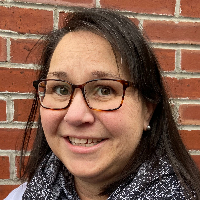

Cynthia Moses
LSCSW, LCSW
Missouri - 3 yrs exp










How CBT specifically addresses codependency
When you look at codependency through a CBT lens, the focus is on the thoughts, beliefs and behaviors that maintain patterns of overinvolvement and difficulty asserting personal needs. CBT helps you identify common cognitive patterns such as self-blame, fears of abandonment, or beliefs that your worth depends on others. Once those thoughts are visible, CBT gives you tools to test and change them with structured exercises and experiments. The behavioral side of CBT helps you practice different responses in real life - setting boundaries, saying no, or tolerating the discomfort that comes with shifting long-standing roles.
By combining clear cognitive work with practical behavioral change, CBT aims to break the cycle that keeps codependent dynamics in place. You will learn to notice automatic thoughts when you feel compelled to rescue or appease someone, evaluate the evidence for those thoughts, and try alternative actions that support healthier relationships. Over time, this reduces reactivity and increases emotional regulation, so you can act from choice rather than habit.
Cognitive mechanisms
The cognitive component of CBT targets the internal rules and assumptions that guide your interactions. You might explore beliefs like I must keep the peace at any cost, I am responsible for others feelings, or If I set limits I will be abandoned. In therapy you examine where these beliefs came from, how they influence behavior, and whether they serve your current goals. Through techniques such as thought records, guided discovery and cognitive restructuring, you practice forming more balanced beliefs that allow you to take care of yourself without assuming excessive responsibility for others.
Behavioral mechanisms
On the behavioral side, CBT emphasizes skills-building and graded exposure to uncomfortable but necessary changes. You work on communication skills, assertiveness, problem solving and gradual boundary-setting. Behavioral experiments let you test new ways of interacting in low-risk situations before trying them in more emotionally charged relationships. Over time, repeated practice reduces anxiety around change and strengthens new habits, making healthier relationship patterns more likely to stick.
Finding CBT-trained help for codependency in Missouri
If you are seeking CBT-trained clinicians in Missouri, start by looking for mental health professionals who list CBT, cognitive behavioral therapy, or related trainings such as cognitive processing or schema-focused approaches on their profiles. Licensing titles vary - psychologists, licensed clinical social workers, licensed professional counselors and marriage and family therapists may all provide CBT. In larger centers like Kansas City and Saint Louis you will find many clinicians with formal CBT training and additional specializations in relationship work or trauma-informed care. In mid-sized cities such as Springfield or Columbia there are also clinicians who focus on CBT and relationship patterns, and many offer telehealth to expand access beyond major metropolitan areas.
When reading profiles, look for information about training, years of experience using CBT, and examples of how the therapist applies CBT to relationship issues. Some clinicians mention specific techniques they use to help people manage codependency, such as behavioral experiments, role plays, or homework assignments that build real-world skills. That information can help you narrow choices before reaching out to schedule an initial conversation.
What to expect from online CBT sessions for codependency
Online CBT sessions for codependency follow the same basic structure as in-person CBT but with adaptations for the virtual setting. Your therapist will typically start with an assessment to understand your relationship history, current patterns and treatment goals. Early sessions often focus on psychoeducation - helping you understand the CBT model of codependency - followed by collaborative goal-setting and development of a treatment plan that includes both cognitive work and behavioral tasks to practice between sessions.
During video sessions you can expect active, skills-focused work. Your therapist may guide you through thought records, coach you through role plays, or plan behavioral experiments that you will try between meetings. Homework is a central part of CBT, so expect regular practice assignments designed to translate session insights into real life. The online format can be especially convenient if you live outside major cities in Missouri or prefer the flexibility of remote care. Some clinicians also offer a mix of in-person sessions and telehealth when you want face-to-face appointment options in Kansas City, Saint Louis or Springfield.
Evidence supporting CBT approaches for codependency in Missouri
While codependency itself can be defined and measured in different ways, CBT has a robust evidence base for treating many of the underlying features associated with codependency. Research supports CBT for conditions that commonly co-occur with codependent behaviors - anxiety, depression, low self-esteem and interpersonal difficulties - and for training skills such as assertiveness and emotional regulation. Clinicians in Missouri often integrate these evidence-based CBT strategies to focus specifically on relationship patterns, boundary-setting and dependence on others for self-worth.
Local practitioners may combine standard CBT with related approaches such as cognitive processing, schema work or exposure-based exercises when appropriate. In community and university clinics across Missouri, including programs in Saint Louis and Kansas City, clinicians frequently apply CBT principles in short-term, goal-directed formats. If you want to know whether a particular CBT adaptation has a direct research base, ask potential therapists about the studies or clinical outcomes that inform their approach. A good clinician will explain what the evidence says, what is not certain, and how that maps onto your goals.
Tips for choosing the right CBT therapist for codependency in Missouri
Choosing the right therapist is a personal process. Start by clarifying what matters most to you - whether it is a therapist with specialized training in relationships, someone with trauma-informed CBT experience, or a clinician who offers weekend or telehealth appointments. Read profiles carefully for mentions of CBT training and experience with codependency or relationship work. If you prefer in-person therapy, check availability in your city - Kansas City and Saint Louis have larger networks, while Springfield and nearby communities may offer smaller practices with experienced CBT clinicians.
When you reach out for an initial consultation, use that conversation to ask how the therapist conceptualizes codependency, what CBT techniques they commonly use, and how they measure progress. Ask about session structure, typical length of treatment focused on codependency concerns, and how homework is assigned and reviewed. Pay attention to whether the therapist explains things clearly and offers a collaborative plan that includes goals you agree on. Practical considerations such as insurance, sliding scale options, and scheduling matter too, so confirm these details early in the process.
Making CBT work for you
Engaging in CBT for codependency is an active process. You will be asked to reflect on thoughts and patterns, complete exercises between sessions, and try new behaviors that may feel uncomfortable at first. Progress is often incremental - small changes in how you communicate or how you respond when you feel pulled into caretaking can lead to meaningful shifts in relationships. Regular review of goals with your therapist helps you see tangible gains and adjust strategies as needed.
Whether you choose an in-person clinician in Missouri or a telehealth provider who serves the state, a CBT-focused approach gives you a clear framework for understanding and changing codependent patterns. By working with a clinician who applies CBT strategies to relationship issues, you can build skills that help you set boundaries, increase self-directed choices, and create more balanced connections with others. Take your time comparing profiles, ask questions that matter to you, and choose a therapist who offers a plan that feels practical and achievable.
Local access and next steps
If you are ready to begin, browse the listings above to find CBT clinicians in your area. Many therapists list their specialties and offer a brief initial consult so you can get a sense of fit before committing to ongoing work. For residents in Kansas City, Saint Louis or Springfield the options may include both dedicated CBT specialists and clinicians who integrate CBT into broader relational therapy. Wherever you are in Missouri, there are CBT-trained clinicians who focus on helping people move beyond codependency toward healthier, more self-directed relationships.