Find a CBT Therapist for Bipolar in Missouri
This page highlights therapists in Missouri who use cognitive behavioral therapy to support people living with bipolar disorder. Browse clinician profiles below to find CBT-trained providers in Kansas City, Saint Louis, Springfield and other communities across the state.







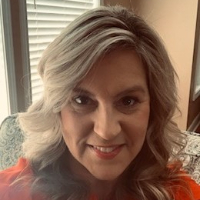
Hillary Haarmann
LCSW
Missouri - 20 yrs exp






Cynthia Moses
LSCSW, LCSW
Missouri - 3 yrs exp










How CBT specifically treats bipolar
Cognitive behavioral therapy, often called CBT, is an approach that focuses on the links between thoughts, feelings and actions. When applied to bipolar care, the goal is not to replace medical treatments but to give you practical tools to notice mood changes earlier, respond to unhelpful thinking patterns and create behavioral routines that stabilize daily life. CBT for bipolar centers on building skills you can use during both low and elevated mood phases so that mood shifts feel more manageable.
Understanding cognitive and behavioral mechanisms
At the cognitive level, CBT helps you examine patterns of thinking that may intensify worry, hopelessness or impulsivity. A therapist will guide you to identify common distortions - for example, assuming the worst outcome or overgeneralizing from a single event - and then test alternative interpretations. This process reduces the mental rumination that can prolong depressive periods and can also temper the grandiose or pressured thinking that sometimes accompanies hypomania or mania.
On the behavioral side, CBT emphasizes changes in activity, sleep and routine. Behavioral activation involves increasing meaningful and manageable activities when energy is low, which can counter inertia and isolation. During high-energy periods, CBT techniques can include planning, pacing and problem solving to reduce impulsive decisions and help you maintain safety. Therapists often use sleep hygiene, daily scheduling and activity monitoring to create a predictable structure that supports mood regulation.
Finding CBT-trained help for bipolar in Missouri
When searching for a CBT therapist in Missouri, look for clinicians who list CBT training and also note experience working with bipolar disorder. Many licensed psychologists, clinical social workers and licensed professional counselors pursue advanced CBT training and may also receive additional education in mood disorders. In urban centers such as Kansas City and Saint Louis there are often more options for specialized care, while Springfield and regional communities may offer therapists who provide generalist expertise and strong CBT skills.
Licensure and professional affiliation give you a starting point for assessing qualifications. It is reasonable to ask potential therapists about their experience adapting CBT for bipolar, how they coordinate with prescribers if you take medication, and what strategies they use for relapse prevention. You can also inquire whether the therapist uses structured CBT protocols, integrates mood monitoring tools, or incorporates interpersonal and social rhythm strategies that complement cognitive behavioral techniques.
What to expect from online CBT sessions for bipolar
Online CBT sessions are a common option across Missouri and can make it easier to connect with a therapist who has specific bipolar experience, regardless of your city. In an initial telehealth appointment you can expect an assessment of current mood patterns, a review of past episodes and a discussion of goals. The therapist will often introduce mood tracking and begin teaching skills to manage thinking and behavior between sessions.
Typical sessions last 45 to 60 minutes and follow a structured format that balances psychoeducation, skills practice and collaborative problem solving. You may complete worksheets or thought records during or after sessions, and the therapist will typically assign between-session tasks that help you apply new techniques to daily life. Online work can include secure messaging or platform-based exercises depending on the clinician, but you should discuss tools and communication preferences up front so expectations are clear.
It is important to discuss safety and crisis planning with your therapist at the outset of telehealth work. Because online sessions span many Missouri communities - from Kansas City and Saint Louis to smaller towns - the clinician should clarify how they respond if urgent situations arise and how to access local emergency services when needed. Good planning helps ensure continuity of care when mood shifts unexpectedly.
Evidence supporting CBT for bipolar in Missouri
Clinical research has explored how CBT can complement medical management for bipolar disorder. Studies commonly examine CBT as an adjunct to medication and follow-up care, and the general findings point to CBT as a method that teaches practical coping skills, improves adherence to treatment plans and helps people recognize warning signs of mood changes. In Missouri, as in other regions, therapists trained in CBT often draw on these research-based techniques while tailoring them to each person's life circumstances.
Evidence also supports the value of structured, problem-focused therapy for promoting functional outcomes such as improved daily routines and better communication with family or coworkers. While each personâs response to therapy is unique, many people find that combining CBT with medical management, peer support and community resources creates a more comprehensive approach to living with bipolar disorder.
Tips for choosing the right CBT therapist for bipolar in Missouri
Start by clarifying what you need from therapy. Consider whether you prefer a clinician who focuses strictly on CBT protocols or one who integrates CBT with other approaches. Ask about specific experience with bipolar presentations similar to yours - for example, whether the therapist has supported people with more frequent mood swings or long periods of depression. In Kansas City and Saint Louis you may have more options for specialists, while in Springfield and surrounding areas you might prioritize a clinician who offers flexible scheduling or strong telehealth services.
During an initial conversation or consultation, ask how the therapist tracks progress and measures treatment outcomes. Discuss how they handle coordination with psychiatrists or primary care providers if you use medication. You should also ask about practical matters like fees, insurance acceptance and wait times. If affordability is a concern, many Missouri clinicians offer sliding-scale fees, group programs or referrals to community mental health resources.
Therapeutic fit matters. You will be more likely to follow through with homework and apply CBT skills when you feel understood and when the therapist adapts techniques to your values and daily routine. Pay attention to how the therapist explains CBT strategies and whether they give examples that feel relevant to your life. If initial sessions do not feel like a good match, it is acceptable to try another clinician until you find someone whose style and approach align with your needs.
Making therapy work in everyday life
CBT is a skills-based therapy, which means the bulk of change often happens in day-to-day practice. Integrating mood monitoring into your routine, setting realistic activity goals and practicing cognitive techniques in real situations will make sessions more effective. Keep in mind that progress can be gradual. Some skills help more with stabilizing daily rhythms, while others are useful when mood intensifies. Building a toolbox of strategies and practicing them in your own environment - whether you live in a busy neighborhood of Independence or a quieter part of the state - is a central part of the process.
Finally, remember that therapy is one part of a broader plan. Many people benefit from combining CBT with medication management, peer support, lifestyle changes and community resources. Use therapist listings to compare approaches and locations, then reach out to schedule consultations. A good match can help you learn practical CBT tools that fit into your life in Missouri and support long-term well-being.
When you are ready, browse the clinician profiles above to compare CBT-trained therapists across Missouri and take the next step toward finding care that aligns with your goals.