Find a CBT Therapist for Post-Traumatic Stress in Mississippi
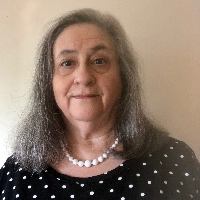
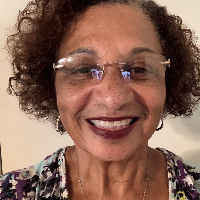
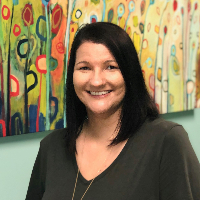
This page features therapists in Mississippi who use cognitive behavioral therapy to treat post-traumatic stress. You will find clinician profiles that describe CBT training, areas of focus, and service locations. Browse the listings below to compare providers and connect with someone who may meet your needs.

















How CBT specifically treats post-traumatic stress
Cognitive behavioral therapy is an approach that helps you understand the relationship between thoughts, feelings, and behaviors after a traumatic event. Rather than focusing only on symptoms, CBT looks at the mental habits and avoidance patterns that maintain distress. With a trained CBT clinician you will work to identify distressing thoughts and the meanings you assign to memories, then gradually learn alternative, less distressing ways of thinking about those experiences. Treatment also addresses behaviors that keep symptoms active - for example, avoiding places or people that trigger memories can reduce immediate discomfort yet reinforce fear over time. CBT combines targeted thinking work with practical behavior changes so you can reduce the impact of traumatic memories on daily life.
Cognitive mechanisms
CBT treats post-traumatic stress by helping you examine unhelpful beliefs that arise after trauma. These might include overgeneralized ideas about safety, guilt, or self-blame. In sessions you will be guided to notice automatic thoughts that increase anxiety or shame, explore the evidence for and against those thoughts, and develop more balanced perspectives. This cognitive restructuring does not erase memories, but it changes the way you appraise them so they are less likely to trigger intense reactions. Over time, shifting these evaluations can reduce hypervigilance, intrusive recollections, and persistent negative mood.
Behavioral mechanisms
On the behavioral side, CBT uses exposure-based methods and activity planning to break patterns of avoidance. Exposure work involves approaching memories, feelings, or situations you have been avoiding in a controlled, gradual way so you can learn you can tolerate them and that they do not lead to the feared catastrophe. Behavioral activation and skills training also help you re-engage with meaningful activities and strengthen coping strategies. Because cognition and behavior interact, changes in one domain support improvements in the other. Together these techniques aim to restore a sense of agency and reduce the daily burden of traumatic stress.
Finding CBT-trained help for post-traumatic stress in Mississippi
When you are looking for a clinician in Mississippi, consider training and experience with CBT specifically for trauma-related difficulties. Many therapists list specialties, certifications, and years of experience on their profiles, and you can often see whether they use trauma-focused CBT methods. In cities such as Jackson, Gulfport, and Hattiesburg you may find clinicians who combine CBT with complementary skills like emotion regulation strategies and grounding techniques. If you live in a rural part of the state, look for therapists who offer telehealth so distance is less of a barrier. Intake descriptions and clinician notes about treatment goals will help you determine who emphasizes CBT for post-traumatic stress rather than general talk therapy alone.
What to expect from online CBT sessions for post-traumatic stress
Online CBT sessions are structured and goal-oriented, whether you access them from a home office, your car between commitments, or another quiet location. Your therapist will typically begin with an assessment to understand how the trauma affects your thoughts, behaviors, sleep, and relationships. Early sessions often focus on building coping skills to manage strong emotions and reduce immediate distress. You can expect homework between sessions that may include thought records, graded exposure steps, or activity scheduling. Technology makes it possible to practice tools in real-world situations and bring those experiences back to sessions for review.
Therapists offering online CBT often adapt exposure and skills training to the virtual format. For example, narrative exposure can be guided step-by-step through video, and behavioral experiments can be planned and processed together. Many people find online sessions reduce logistical barriers and expand access to clinicians with trauma-focused CBT expertise outside of their city - whether you are near the Gulf Coast or inland. It is reasonable to ask potential therapists about session length, typical course of treatment, and how progress is measured so you can set expectations before you begin.
Evidence supporting CBT for post-traumatic stress in Mississippi
Research across diverse settings has shown that CBT approaches are effective for reducing symptoms related to traumatic experiences for many people. Clinicians in Mississippi draw on these evidence-based principles when tailoring care to individuals and communities. Local providers may combine standard CBT methods with awareness of regional factors - for example, the impact of natural disasters, community violence, or military service - when developing treatment plans. While individual outcomes can vary, the structured, skills-based nature of CBT makes it a widely recommended option when addressing lingering trauma reactions.
Evidence for CBT is relevant whether you see someone in person in Jackson or Biloxi or work with a therapist online. When reviewing therapist profiles, look for mention of trauma-focused training and experience applying CBT to post-traumatic stress. Asking about outcome measures and how progress is tracked can also give you a clearer sense of whether a clinician uses an evidence-informed approach.
Tips for choosing the right CBT therapist for post-traumatic stress in Mississippi
Choosing a therapist is a personal decision that depends on clinical style, logistics, and the rapport you feel. Start by looking for clinicians who explicitly list trauma treatment and CBT on their profiles. Read through therapist statements to get a sense of how they describe the therapeutic process and what kind of work they prioritize. Consider practical factors such as location, whether they offer virtual appointments, appointment times, and whether they work with adults, adolescents, or families. If proximity matters, note which providers serve areas near Jackson, Gulfport, or Hattiesburg so travel is manageable.
During an initial contact or intake call you can ask how the clinician blends cognitive and behavioral work, what a typical session looks like, and how they handle moments of strong distress. It is appropriate to ask about their training in trauma-focused CBT methods and whether they use measures to monitor progress. Trust your sense of whether the therapist communicates clearly about goals, safety planning, and what to expect between sessions. Good fit is not only about credentials - it is about feeling heard and working with someone whose approach aligns with your preferences.
Finally, give yourself permission to try more than one clinician if the first fit does not feel right. Seeking help for post-traumatic stress is a step toward regaining balance, and finding a CBT-trained therapist whose method and manner resonate with you increases the chance that therapy will be helpful. Whether you connect with someone in a nearby city or work with a clinician by video, CBT offers a structured path to build new skills for managing the lasting effects of trauma.