Find a CBT Therapist for Obsession in Mississippi
On this page you will find CBT therapists in Mississippi who focus on treating obsession, listed by city and specialty. Browse the profiles below to compare approaches, credentials, and availability for CBT-based care.
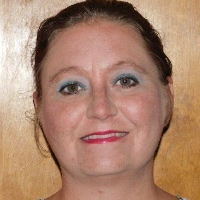










Hunter Burns
LPC
Mississippi - 4 yrs exp











How CBT Specifically Treats Obsession
Cognitive behavioral therapy, or CBT, works by helping you change the thoughts and behaviors that keep obsessional patterns in place. When obsession appears as repetitive intrusive thoughts, doubts, or urges, CBT helps you examine the assumptions and mental habits that give those thoughts meaning. You do not simply try to force the thought away; instead you learn to relate differently to it, reducing the emotional charge that makes the thought feel urgent and compelling.
Cognitive mechanisms
At the cognitive level you and your therapist will explore the interpretations you attach to intrusive thoughts. You may be guided to notice overestimates of threat, intolerance of uncertainty, or beliefs that having a thought is equivalent to acting on it. Through guided questioning and structured exercises you learn to test those beliefs and build alternative, more balanced interpretations. That shift in thinking can lessen the distress that fuels repetitive mental checking, reassurance-seeking, or rumination.
Behavioral mechanisms
Behavioral techniques are a central component of CBT for obsession. Rather than avoiding triggers or repeatedly seeking reassurance, you will practice facing anxious situations and tolerating discomfort while resisting compulsive responses. These exercises reduce the link between anxiety and compulsive behavior by showing your brain that distress will ebb without the habitual reaction. Over time, you learn new behavioral patterns that replace cycles of avoidance and checking with more adaptive ways of coping.
Finding CBT-Trained Help for Obsession in Mississippi
When you search for CBT help in Mississippi, look for clinicians who describe specific training in cognitive behavioral approaches and experience treating obsession-related concerns. Many therapists trained in CBT use structured assessment tools and provide clear treatment plans that include both cognitive work and behavioral experiments. You can often find practitioners in university clinics, community mental health centers, and private practices across the state, including in larger centers such as Jackson, Gulfport, and Hattiesburg.
Credentials and training to look for
Therapists with graduate training in clinical psychology, counseling, or social work commonly offer CBT. Postgraduate workshops, certifications, and supervised clinical experience in CBT techniques are signs of focused training. During an initial contact you can ask about the clinician's experience with obsession-focused CBT, what models they use, and whether they offer structured tools such as exposure-based exercises and cognitive restructuring. That conversation can clarify whether a therapist's approach matches what you want.
Accessing care across Mississippi
If you live outside a major city, consider options in nearby urban areas or online sessions that are provided by clinicians licensed to practice in Mississippi. Clinics in Jackson and regional providers in Gulfport or Hattiesburg may offer specialty programs or referrals to therapists with concentrated experience. Local universities or training centers sometimes host clinicians who provide evidence-based CBT under supervision, which can be another pathway to skilled care.
What to Expect from Online CBT Sessions for Obsession
Online CBT sessions follow the same core principles as face-to-face therapy but occur over video or phone. You will typically begin with an assessment of your current difficulties and a collaborative plan outlining goals and techniques. Expect sessions to balance conversation with structured exercises, homework assignments, and real-time coaching for exposure or behavioral experiments. Your therapist may use screen sharing, worksheets, and recorded audio to support practice between sessions.
Structure and pacing
Sessions are often weekly at first, then spaced out as progress is made. Each session may include review of homework, planning of in-session practice, and strategizing for the week ahead. You will be encouraged to practice skills outside the appointment because consistent practice is crucial to changing habitual thought-behavior cycles. If you prefer, some therapists offer condensed or intensified programs that use more frequent sessions over a short period to accelerate skill acquisition.
Practical considerations for remote work
Make sure you have a quiet area where you can focus and practice exercises without interruption. Discuss with your therapist how to handle moments of high distress between sessions and whether they provide brief check-ins or written guidance. You should also confirm that the clinician is licensed to treat clients in Mississippi and understand any scheduling or cancellation policies that affect continuity of care.
Evidence Supporting CBT for Obsession in Mississippi
CBT has a substantial research base for addressing obsessional problems and related anxiety patterns. Studies show that targeted cognitive and behavioral strategies reduce the intensity and frequency of intrusive thoughts and decrease reliance on safety behaviors that maintain distress. While research is carried out across many settings, the principles are widely applicable, and clinicians in Mississippi draw on this evidence when adapting CBT to local needs and cultural contexts.
You may find local programs and clinicians who integrate standard CBT techniques with attention to regional factors that matter to you. For example, therapists in urban centers like Jackson might offer specialized group programs or workshops, while providers in coastal communities near Gulfport may tailor scheduling and access to fit community rhythms. The core evidence-based strategies remain the foundation of effective treatment regardless of setting.
Tips for Choosing the Right CBT Therapist for Obsession in Mississippi
Choosing a therapist is both practical and personal. Start by prioritizing clinicians who clearly state they use CBT for obsession and who can describe their specific approach. Ask about the methods they commonly use, such as exposure and response prevention, cognitive restructuring, or mindfulness-based techniques integrated into CBT. Pay attention to how they explain the treatment process - clear, step-by-step explanations often indicate a structured approach that matches CBT principles.
Practical logistics and fit
Consider availability, location, and whether you prefer in-person sessions in a nearby office or the convenience of remote appointments. If you live near Hattiesburg or Biloxi, you may have options for in-person work and community resources. If travel is a barrier, search for licensed clinicians who provide remote care within Mississippi. Cost, insurance acceptance, and session length are also important practical factors to confirm before beginning.
Assessing rapport and approach
Beyond credentials, you should sense that the therapist's style aligns with your preferences. CBT is collaborative and active - therapists will ask you to engage in homework, practice skills, and try behavioral experiments. If that approach feels overwhelming, discuss pacing and supports the clinician offers. A good match often means you feel understood and believe the therapist has a plan that fits your goals and daily life.
When you are ready to begin, use the listings on this page to review therapist profiles, read about their training in CBT, and reach out with questions about their approach. Whether you live in a city center like Jackson, closer to the Gulf Coast in Gulfport, or in a university town like Hattiesburg, you can find clinicians who focus on CBT-based care for obsession and help you develop skills that reduce distress and improve daily functioning.