Find a CBT Therapist for Self-Harm in Michigan
This directory highlights therapists in Michigan who use cognitive behavioral therapy to address self-harm. You will find clinician profiles across Detroit, Grand Rapids, Ann Arbor and other communities describing training, approaches, and availability. Browse the listings below to connect with a CBT clinician who matches your needs.








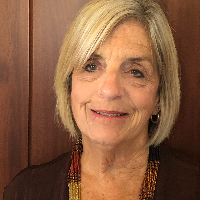
Jill Rountree
LMSW
Michigan - 10 yrs exp

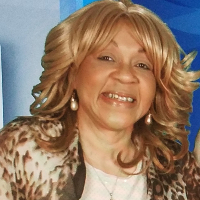



Jonathan Rosengren
LMSW
Michigan - 9 yrs exp










How CBT Approaches Self-Harm
Cognitive behavioral therapy, or CBT, focuses on the connections between thoughts, feelings, and behaviors. When CBT is applied to self-harm, the aim is to help you understand the mental patterns and situational triggers that lead to injurious behaviors and to develop alternative coping strategies. In practice, a CBT therapist will work with you to identify the thoughts that escalate distress, to test assumptions that may feed feelings of hopelessness or self-directed anger, and to replace harmful responses with actions that reduce immediate harm while building long-term resilience.
Therapists trained in CBT use both cognitive techniques and behavioral experiments. Cognitive techniques often include guided questioning to examine and reframe unhelpful beliefs about yourself and your situation. Behavioral strategies include activity scheduling, skills rehearsal, and exposure-type exercises to reduce avoidance and build tolerance for distress. Over time, these methods are intended to change how you respond to emotional pain so that self-harm becomes less central to your coping toolkit.
Why a CBT-Focused Approach Can Help
CBT gives you structured tools and an active collaboration with your therapist. You learn specific skills to manage intense emotions, reduce impulsivity, and create alternatives to self-harm. Part of the process is developing a step-by-step plan for moments of crisis, which may include coping statements, grounding techniques, and strategies to change your environment when needed. The emphasis on skill-building means that progress is often measurable, and you can practice techniques between sessions so change carries into everyday life.
Finding CBT-Trained Help for Self-Harm in Michigan
When searching for a CBT clinician in Michigan, you can start by looking for therapists who list cognitive behavioral therapy or related training on their profiles. Many clinicians include their educational background, certifications, and specialized training in working with self-harm. If you live in or near Detroit, Grand Rapids, or Ann Arbor, you will likely find providers who have experience with local hospitals, community centers, or university-affiliated training programs. Outside those cities, clinicians in suburban and rural areas may offer telehealth or commute to regional clinics.
Licensing also matters. Therapists in Michigan hold credentials such as Licensed Professional Counselor, Licensed Clinical Social Worker, or Licensed Marriage and Family Therapist. These credentials indicate state regulation and training in clinical practice. When you review a profile, look for explicit mention of CBT, experience with self-harm, and ongoing supervision or continuing education in evidence-based practices. That information helps you gauge whether the clinician’s approach matches what you want.
What to Expect from Online CBT Sessions for Self-Harm
Online CBT sessions follow the same basic structure as in-person work but are delivered through video or phone. At your first session you can expect an assessment conversation to clarify your current concerns, recent behaviors, and immediate needs. Your therapist will ask about triggers, patterns, and any history of self-harm to build a collaborative plan. From there, you and your therapist will set short-term goals and identify which CBT techniques to prioritize.
Sessions typically include skill teaching, role play, and homework assignments you practice between meetings. Homework might involve mood tracking, testing a new coping strategy in a controlled situation, or writing down thought records to examine patterns. Many people find the convenience of online sessions helpful in maintaining consistency, especially if travel or scheduling has been a barrier. If you are in Michigan and prefer an in-person option, clinicians in Detroit, Grand Rapids and Ann Arbor often offer both formats.
Evidence Supporting CBT for Self-Harm
Research literature supports the use of CBT-based interventions for reducing self-harm behaviors and improving emotion regulation. Studies have explored specific CBT models that focus on problem-solving, emotion regulation, and reducing impulsive responses to intense feelings. While outcomes vary by individual and treatment context, these interventions tend to emphasize measurable skill development and collaborative planning, which many clinicians and clients find practical and focused.
In Michigan, academic centers and community clinics have contributed to training clinicians in CBT techniques, and therapists often adapt evidence-based methods to local needs. You can look for clinicians who reference empirical approaches and who describe outcome measures or progress checks as part of their practice. Asking a prospective therapist how they monitor progress and what measurable goals they use will give you insight into how treatment is grounded in research and adapted to your life.
Choosing the Right CBT Therapist in Michigan
Picking a therapist is a personal decision, and it helps to consider several areas in conversation with potential clinicians. Start by asking about their specific experience with self-harm and which CBT techniques they use most often. It is reasonable to ask how they assess risk, how they involve collaborative planning for moments of intense distress, and how they coordinate care if you also see a physician or psychiatrist. You may want a therapist who uses straightforward skill-building, or someone who incorporates additional modalities alongside CBT - both approaches can be valid depending on your needs.
Location and logistics matter. If you live in or near Detroit, Grand Rapids, Lansing, or Ann Arbor, you may have access to a range of clinicians with varied specialties. If you are further from urban centers, online sessions can increase your options. Consider practical details such as session frequency, fee structure, insurance participation, and cancellation policies. Clarifying these items up front helps you choose a clinician whose availability and terms fit your life.
Questions to Ask During an Introductory Call
During an initial call or consultation, you might ask the therapist to describe a typical course of CBT for self-harm, including how they measure change and what homework looks like. Inquire about their comfort level with crisis planning and how they handle high-risk situations within therapy. You can also request examples of coping strategies they teach and how they tailor work to different ages or cultural backgrounds. A good match often comes down to how comfortable you feel discussing difficult topics and whether the therapist communicates a clear, skill-based approach.
Integrating Local Resources and Support
Michigan has a variety of local supports that can complement CBT work. Community mental health centers, university counseling services, and peer-led groups offer additional resources you may find useful. If you are in Detroit or Ann Arbor, university-affiliated clinics sometimes provide access to clinicians trained in evidence-based therapies. In Grand Rapids and surrounding areas, community clinics and regional networks can offer referrals and coordination with other services. Your therapist can help you identify local options and partner with other providers when multidisciplinary care is appropriate.
Taking the First Step
Reaching out for CBT-focused help is a meaningful first step. You can use the listings on this page to compare clinicians who emphasize CBT for self-harm and to read about their training and approach. When you contact a therapist, a brief introductory conversation can clarify whether their method and availability align with your needs. Finding a clinician who listens, explains methods clearly, and offers practical strategies for managing distress can make therapy feel approachable and goal-oriented.
Whether you live in a city like Detroit, Grand Rapids, or Ann Arbor, or elsewhere in Michigan, there are clinicians who focus on CBT for self-harm and who can work with you to develop safer coping skills and reduce the role that self-injury plays in your life. Use the listings below to start connecting with therapists and to schedule an initial consultation that fits your schedule and preferences.