Find a CBT Therapist for Obsession in Michigan
Explore CBT therapists in Michigan who focus on treating obsession with evidence-based techniques. Use the listings below to compare clinicians, treatment approach, and availability.









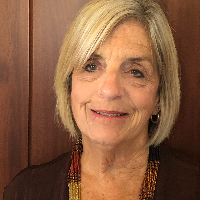
Jill Rountree
LMSW
Michigan - 10 yrs exp













How Cognitive Behavioral Therapy Addresses Obsession
Cognitive Behavioral Therapy - CBT - approaches obsession by helping you understand the relationship between thoughts, feelings, and behaviors. In practice, CBT teaches you to notice intrusive thought patterns without giving them immediate power over your actions. Rather than trying to force thoughts away, you learn to observe them, test their accuracy, and respond in ways that reduce the urge to perform repetitive behaviors or mental rituals.
On the behavioral side, CBT often includes exposure and response prevention. Through carefully planned exposures you gradually face triggers that typically provoke obsessional thinking while resisting the urge to perform avoidance or ritualized responses. Over time, repeated exposures can reduce the intensity of anxiety and the compulsion to respond, not because the thoughts stop appearing, but because your relationship to those thoughts changes. Cognitive techniques complement these behavioral steps by challenging assumptions that drive compulsive responding - for example beliefs about responsibility, certainty, or the need for control - and by building more balanced ways of interpreting intrusive thoughts.
Finding CBT-Trained Help for Obsession in Michigan
When you search for CBT help in Michigan, look for clinicians who explicitly describe training in evidence-based CBT approaches and experience with obsession-focused work. Major urban centers such as Detroit, Grand Rapids, and Ann Arbor host a range of clinicians and specialized clinics, but you will also find skilled practitioners throughout the state, including clinicians who offer remote sessions to reach smaller communities.
Licensing and professional credentials indicate the clinical standards a therapist meets, while additional training or certification in CBT techniques and exposure-based interventions can be especially relevant for obsession. Many therapists list their specialties and training on their profiles, and you can use initial consultations to ask about specific experience with exposure and response prevention, the typical course of treatment, and how a therapist measures progress.
What to Expect from Online CBT Sessions for Obsession
Online CBT for obsession follows much of the same structure as in-person care, with an emphasis on collaboration and concrete skills. In early sessions you and your therapist will map out your current difficulties, identify common triggers and ritual patterns, and set measurable goals. You can expect a mixture of cognitive work - examining the thoughts that accompany obsessional urges - and behavioral tasks that involve gradual exposure to triggers while refraining from response behaviors.
Remote sessions can make it easier to practice exposures in your everyday environment, whether that means working on tasks at home or in local public settings. Therapists use screen sharing, guided exercises, and between-session assignments to keep momentum. Homework is a core element of CBT for obsession, so you should be prepared to complete exposure practices and to track your responses between meetings. If you live in a community far from a specialist clinic, online sessions expand your choices and allow you to access therapists in Detroit, Grand Rapids, Ann Arbor, or other parts of Michigan without long travel.
Evidence and Outcomes for CBT with Obsession
Research over several decades has identified cognitive behavioral approaches, particularly exposure-based techniques, as effective components of care for people experiencing persistent obsessional thoughts and related behaviors. Clinical studies and professional guidelines emphasize structured CBT that combines cognitive restructuring with exposure and response prevention as a well-supported option. In Michigan, university clinics, teaching hospitals, and community mental health programs have adopted these approaches and contributed to training new clinicians in exposure-based methods.
When you evaluate a therapist, ask how they track outcomes and whether they use standardized measures to monitor progress. Practices that routinely measure symptom change and discuss results with clients can help you see when the treatment is on track and when adjustments are needed. While individual results vary, a clear treatment plan, collaborative work with a trained CBT therapist, and consistent practice tend to improve the chances that you will notice meaningful changes in how you respond to intrusive thoughts.
Tips for Choosing the Right CBT Therapist in Michigan
Choosing a therapist is not only about qualifications; it is also about fit and working style. Begin by reading provider profiles to identify clinicians who mention CBT and exposure interventions specifically for obsession. Pay attention to descriptions of their approach, years of experience, and whether they offer telephone or video sessions if that is relevant to your schedule. If you live near Detroit, Grand Rapids, or Ann Arbor, you may have access to therapists with more specialized training. If you live elsewhere in Michigan, telehealth expands your options and allows you to connect with specialists who serve clients statewide.
During a first meeting, notice how comfortably the therapist explains the logic of CBT and exposure-based work. A helpful therapist will outline what a typical session looks like, how homework is used, and how long the initial phase of treatment might last. It is reasonable to ask about how they approach setbacks, how they personalize exposure tasks to match your needs, and how they collaborate with you to set achievable goals. You should also ask practical questions about fees, scheduling, and any sliding scale options if cost is a concern.
What to ask during a consultation
When you speak with a potential therapist, consider asking about their specific experience treating obsessional patterns, how they structure exposure exercises, and how they measure progress. You might ask whether they incorporate cognitive strategies aimed at common thinking habits associated with obsession, how frequently sessions are typically scheduled, and what kinds of between-session supports they recommend. Asking these questions helps you compare clinicians and pick someone whose style and approach match your preferences.
Practical Considerations and Next Steps
If you are ready to begin, start by narrowing options based on training and approach, then schedule initial consultations to get a sense of fit. Many people find that an early focus on education - learning why exposure works and how thoughts and behaviors interact - reduces uncertainty and increases engagement. Whether you prefer a therapist located near you in Detroit, Grand Rapids, or Ann Arbor or a clinician who works remotely, prioritize clear communication about goals, homework expectations, and ways to handle challenges that come up during treatment.
Remember that seeking help is a practical step toward changing patterns that interfere with daily life. Exploring profiles, asking focused questions, and choosing a CBT-trained therapist who emphasizes exposure and cognitive strategies can put you on a path toward greater control over obsessional thinking. Use the listings above to find a clinician in Michigan and take the next step by scheduling a consultation to discuss how CBT may fit your needs.