Find a CBT Therapist for Gambling in Michigan
This page lists therapists across Michigan who specialize in treating gambling-related problems using cognitive behavioral therapy (CBT). Browse the clinician profiles below to compare approaches, locations, and availability and find a CBT provider that fits your needs.






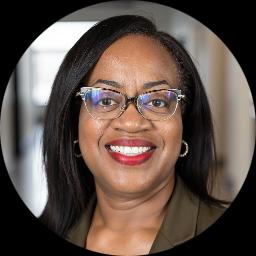
Cynthia Gladyness
LMSW
Michigan - 26 yrs exp
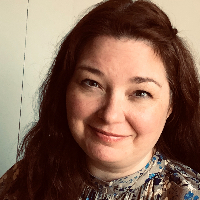
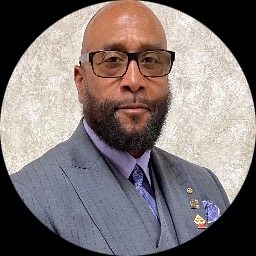


Jonathan Rosengren
LMSW
Michigan - 9 yrs exp
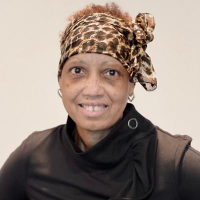

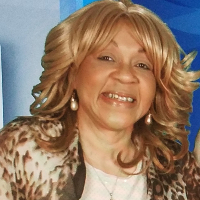
Stephanie Wittig
LPC
Michigan - 6 yrs exp






How CBT Addresses Gambling Behavior
Cognitive behavioral therapy for gambling is focused on the thoughts and behaviors that keep problematic gambling in place. When you work with a CBT clinician you will examine the specific situations that trigger urges, the thoughts that follow those urges, and the actions that come next. The goal is to help you spot patterns - the cues, the justifications, the escalating bets - and to replace unhelpful thinking and reactive behaviors with strategies that reduce harm and strengthen control.
On the cognitive side you will learn to identify and challenge distorted beliefs that support gambling. You might explore thoughts such as the idea that luck is due, that losses are signs that a win is imminent, or that gambling is the only way to solve financial or emotional problems. By learning to test these beliefs and to consider alternative interpretations, you can reduce the intensity of urges and avoid impulsive decisions.
On the behavioral side CBT emphasizes practical skill building. You will work on stimulus control - changing routines and environments that prompt gambling - and on developing alternative activities that meet the same needs without financial risk. Therapists often use behavioral experiments so you can test new responses in real life and gather evidence that different choices produce better outcomes. Together these cognitive and behavioral strategies form a structured plan to reduce gambling frequency, manage urges, and prevent relapse.
Finding CBT-Trained Help for Gambling in Michigan
When you begin looking for help in Michigan you can focus on clinicians who list CBT as their primary modality and who have experience treating gambling-related concerns. Licensed counselors, psychologists, and social workers who emphasize CBT will typically describe their training in cognitive restructuring, behavioral techniques, and relapse prevention. You can refine your search to practitioners in specific areas such as Detroit, Grand Rapids, or Ann Arbor if you prefer in-person visits, or search more broadly if you want telehealth options.
Licensing and credentials are important markers of professional training. Look for clinicians who hold appropriate state licenses and who mention additional CBT-specific coursework or supervision. Many therapists will note experience working with financial consequences of gambling, family impact, and co-occurring mood or anxiety issues. If you have insurance, check whether the clinician accepts your plan; if not, ask about sliding scale fees or package options that can make a course of CBT more affordable.
What to Expect from Online CBT Sessions for Gambling
Online CBT sessions follow many of the same steps as in-person treatment, but with technology enabling greater flexibility. In an initial assessment you and the therapist will review your gambling history, identify triggers, and set goals for change. Subsequent sessions typically move through a structured set of interventions - cognitive techniques to reframe thoughts, behavioral plans to reduce exposure to triggers, and skill practice to manage urges as they arise.
You can expect homework between sessions. Homework might include keeping a detailed log of gambling urges and behaviors, trying out new routines when a trigger appears, or practicing coping statements that counter automatic thoughts. These assignments are essential because they help you apply skills in real life and give the therapist information to tailor treatment.
Telehealth CBT also offers practical advantages if you live in more remote parts of Michigan or have scheduling constraints. It allows you to meet with clinicians in different cities, so you can access therapists with specific expertise in gambling and CBT even if they are based in Detroit, Grand Rapids, or Ann Arbor. Make sure your internet connection and device allow for clear video, and discuss boundaries for sessions so you can work in a calm, safe setting at home or another suitable location.
Evidence and Outcomes for CBT in Gambling Treatment
Research over the past decades has shown that CBT is one of the most studied psychological approaches for problematic gambling. Studies typically report that CBT helps reduce the frequency of gambling episodes, decreases the intensity of urges, and improves coping skills that lower the risk of relapse. While individual experiences vary, many people find that structured CBT gives them clear tools and a measurable plan for change.
In Michigan, therapists who use CBT often combine individual work with referrals to community-based resources when additional support is helpful. Clinical practice in this state draws on the wider evidence base while adapting interventions to local circumstances - for example by addressing venue-related triggers in cities with active gaming facilities or by coordinating with family resources when financial consequences are significant. The emphasis is on practical change rather than labels, and on tracking progress through measurable goals and behavioral outcomes.
Practical Tips for Choosing a CBT Therapist for Gambling in Michigan
Start by clarifying what you want from therapy. Are you seeking short-term skill-building to stop gambling, support for co-occurring stress or mood concerns, or involvement of family members in treatment? Knowing your goals will help you find a therapist whose approach aligns with your needs. When you review clinician profiles pay attention to descriptions of CBT experience, mention of relapse prevention or financial planning collaboration, and any specialization in gambling-related behaviors.
Ask potential therapists specific questions before committing to sessions. Inquire about their experience with gambling-related cases, what a typical CBT treatment plan looks like, and how progress is measured. Discuss session length and frequency, cancellation policies, and whether they offer video sessions. If you are in or near Detroit, Grand Rapids, or Ann Arbor you may have the option of in-person work; if not, telehealth can broaden your choices.
Consider how comfortable you feel with the therapist during an initial consultation. The working relationship matters because therapy requires honest disclosure and practice of challenging skills. If a clinician describes a clear structure, offers concrete examples of CBT techniques you will learn, and explains how you will practice those skills between sessions, you are likely to get practical benefit. It is also reasonable to ask how they approach relapse if it occurs and what supports they recommend to minimize setbacks.
Planning for a Course of CBT and Next Steps
CBT for gambling is typically time-limited and goal-oriented. When you begin treatment you and your therapist will agree on measurable goals, with regular review points to assess progress. You will build a toolkit of strategies you can use independently, and a plan to manage high-risk situations. Many people find that the combination of cognitive work and behavioral practice reduces impulsive decisions and helps them regain control over finances and relationships.
If you are ready to get started, use the listings above to compare clinicians, read profiles and client reviews where available, and schedule initial consultations. Whether you are in Detroit, Grand Rapids, Ann Arbor, Lansing, or another Michigan community, a CBT-trained therapist can help you develop practical skills to reduce gambling harm and move toward the life changes you want to make.
When to Seek Additional Support
If your gambling has led to legal or financial complications, or if you experience severe distress, it is important to connect with appropriate local resources in addition to therapy. A CBT clinician can work with you to coordinate referrals and to integrate other supports, such as financial counseling or family services, into a broader plan for recovery. The combination of clinical treatment and practical assistance often produces the most sustainable results.
Final Thoughts
Choosing a CBT therapist in Michigan means finding someone who can translate research-backed techniques into everyday practices that match your life. By focusing on both thoughts and actions, CBT offers a concrete path out of recurring gambling patterns. Take time to compare therapists, ask about their approach to gambling-specific issues, and choose a clinician with whom you feel comfortable taking the next steps toward change.