Find a CBT Therapist for Trauma and Abuse in Massachusetts
On this page you will find therapists across Massachusetts who use cognitive behavioral therapy to address trauma and abuse. Browse listings to compare clinicians, read profiles, and find a local CBT clinician who fits your needs.


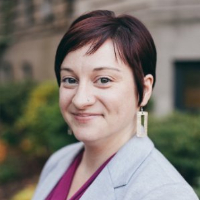
Anne Keyes
LMFT
Massachusetts - 3 yrs exp





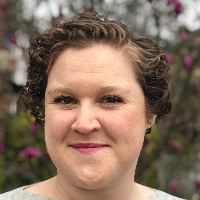
Cynthia Robinson
LMHC
Massachusetts - 23 yrs exp













How CBT approaches trauma and abuse
Cognitive behavioral therapy, often called CBT, focuses on the connection between thoughts, feelings, and behaviors. When you have experienced trauma or abuse, patterns of thinking and responding can become shaped by fear, shame, or hypervigilance. CBT helps you identify and gently challenge the beliefs and mental habits that keep distress active. Through structured work you learn to notice automatic thoughts, test their accuracy, and develop more balanced ways of interpreting past events and current triggers.
Behavioral techniques are paired with cognitive work so that change is not only intellectual but practical. Gradual exposure to avoided memories, situations, or reminders is done in a methodical way so you can reclaim activities and relationships you may have been avoiding. Skills training, such as grounding, emotion regulation, and stress management, supports you in tolerating difficult feelings while you revise unhelpful patterns. The combined cognitive and behavioral emphasis makes CBT a hands-on approach that targets the processes that maintain trauma-related distress.
Cognitive mechanisms
At the cognitive level, CBT helps you notice recurring thoughts that make the world feel dangerous or yourself feel flawed. You might find yourself overgeneralizing, predicting threat, or assigning disproportionate blame. A CBT clinician guides you in testing those thoughts against evidence, generating alternative interpretations, and practicing new ways of thinking until they feel more automatic. This process reduces the power of distressing memories and helps you make decisions from a clearer place.
Behavioral mechanisms
Behaviorally, CBT helps you reduce avoidance and rebuild confidence in your ability to cope. Exposure work, when appropriate, allows you to face reminders in a controlled manner so they lose their overwhelming quality. Skills practice helps you respond differently when triggers arise, and activity scheduling encourages a return to meaningful routines. Over time you gain mastery through rehearsal and incremental challenges, which supports lasting change in how you live day to day.
Finding CBT-trained help for trauma and abuse in Massachusetts
When you begin looking for a CBT therapist in Massachusetts, consider clinicians who list trauma-focused CBT training or experience in working with abuse. Many clinicians in urban centers like Boston and Cambridge have advanced training in trauma-informed CBT approaches, while clinicians in Worcester and Springfield may offer a mix of in-person and remote options to reach broader communities. You can use location filters to see who accepts new clients nearby and read profiles to learn about each clinician's specific CBT training and clinical focus.
Licensure and specific trauma training matter. Look for therapists who note specialized coursework, supervision in trauma-focused treatments, or certifications in evidence-based CBT protocols. If you are seeking care in a language other than English or need a clinician with cultural familiarity, narrow your search by language or stated populations served. Many Massachusetts clinicians list those details in their profiles so you can find someone who aligns with your background and preferences.
What to expect from online CBT sessions for trauma and abuse
If you choose remote work, online CBT sessions can mirror in-person therapy in structure and focus. Sessions typically last 45 to 60 minutes and follow an agenda where you and your clinician review progress, practice skills, and set goals for the week. You may be asked to complete brief exercises between sessions - such as thought records, exposure planning, or relaxation practice - to reinforce learning. Homework is a central part of CBT because the skills you build outside sessions are what produce long-term change.
Privacy and comfort in your setting matter when you choose telehealth. You should have a place where you can speak without interruption and where you feel safe to process personal memories. Many clinicians will talk with you at intake about creating a predictable routine for online sessions and will discuss how to handle strong emotional reactions if they arise between sessions. Online work also expands access, allowing you to connect with clinicians in Boston or Cambridge even if you live in a smaller town or outside regular commuting distance.
Evidence supporting CBT for trauma and abuse
CBT has been extensively studied for trauma-related problems and is widely recommended in treatment guidelines. Research shows that cognitive and behavioral procedures reduce symptoms commonly experienced after trauma and abuse, including anxiety, intrusive memories, and avoidance. Clinical trials and meta-analyses support the effectiveness of trauma-focused CBT approaches across diverse populations. While individual outcomes vary, the emphasis on measurable goals, repeated practice, and therapist-guided skill building is what makes CBT a reliable option for many people.
In Massachusetts, clinicians often draw on this evidence base and adapt protocols to local needs. Academic and clinical institutions in the state have contributed to the development and dissemination of evidence-based treatments, and many practitioners continue to integrate new findings into their practice. If research evidence matters to you, asking a prospective therapist about the specific CBT techniques they use and the research behind them is a practical way to ensure a good fit.
Tips for choosing the right CBT therapist in Massachusetts
Choosing a therapist is a personal decision and you should feel empowered to interview clinicians before committing. Start by considering logistics - whether you prefer in-person sessions in a nearby office or telehealth appointments that fit your schedule. In cities like Boston or Worcester you may find a wider range of specialized CBT offerings, while remote options increase access for people in more rural parts of the state. Check clinicians' training, years of experience with trauma and abuse, and whether they describe a structured CBT approach in their profile.
During initial contact you can ask how the clinician conceptualizes trauma-related difficulties, what specific CBT methods they use, and how they measure progress. Ask about their approach to safety and crisis planning so you know how difficult moments are handled. Consider whether you feel heard and respected in early conversations; a sense of trust and rapport supports treatment. Practical matters such as fees, insurance acceptance, session length, and cancellation policies also influence whether a therapist is a viable match for you.
Finally, give yourself permission to change therapists if the fit is not right. Finding the right CBT clinician can take time, and the relationship you build is an important part of the work. If you live near Boston, Cambridge, Worcester, or Springfield, you have many options to explore. If you are farther away, consider telehealth to access clinicians with specific trauma-focused CBT experience. Your needs and comfort are central to the process, and a thoughtful search will increase the likelihood of finding a clinician who can support your recovery.
Next steps
Use the listings above to compare CBT clinicians who focus on trauma and abuse across Massachusetts. Read profiles, note training and clinical focus, and reach out to schedule an initial conversation. That first step will help you understand how a clinician works and whether their CBT approach aligns with your goals for healing and growth.