Find a CBT Therapist for Social Anxiety and Phobia in Massachusetts
This page lists clinicians in Massachusetts who use cognitive behavioral therapy to treat social anxiety and phobia. You will find CBT-focused therapists serving cities across the state and information to help you choose a clinician who fits your needs. Browse the listings below to compare clinicians and start a conversation.



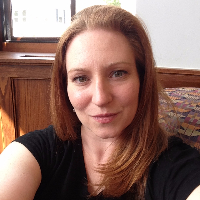

Cynthia Robinson
LMHC
Massachusetts - 23 yrs exp

















How CBT treats social anxiety and phobia
Cognitive behavioral therapy approaches social anxiety by addressing the thoughts, behaviors and physical reactions that keep fear active. In CBT you work with a clinician to notice patterns in how you interpret social situations - for example expecting judgment, predicting embarrassment or overestimating the negative outcome of speaking up. Those predictions feed behaviors like avoidance and safety strategies, which in turn prevent you from learning that the feared outcome is unlikely or manageable. CBT combines techniques that help you reframe unhelpful thoughts with behavioral practices that gradually increase your comfort in feared situations.
The cognitive component targets the mental habits that amplify anxiety. You learn to test automatic thoughts, gather evidence for and against anxious predictions and develop more balanced ways of thinking. The behavioral component focuses on progressive exposure to social situations that trigger fear. Exposure work is planned and graded so you can build tolerance step by step. Over time, repeated practice reduces avoidance and allows new learning about social risk and your ability to cope.
What to expect from CBT sessions for social anxiety
Session structure and typical techniques
In early sessions a CBT clinician will usually conduct a detailed assessment to understand the situations that cause anxiety and how those reactions affect your life. You and your therapist set specific, measurable goals and create a treatment plan that outlines when cognitive work and exposures will occur. Sessions often include skills practice, such as breathing and grounding strategies to help manage physical symptoms, and role-play or behavioral experiments to test beliefs in a low-stakes setting. Homework is a core element - you will be asked to try exposures or thought records between sessions to build progress outside the therapy room.
Online CBT sessions - what they look like in Massachusetts
Many therapists in Massachusetts offer video sessions alongside in-person appointments. Online CBT for social anxiety typically follows the same structure as face-to-face work - assessment, cognitive techniques and graded exposure - but with adjustments to the format. Your therapist will help you set up a comfortable environment at home for sessions and may guide you through virtual role-plays, in vivo exposures carried out in your community, or exercises that use the technology itself as part of treatment. Online care can be a good option if you live outside central areas or prefer to work from a familiar space. Therapists in Boston, Worcester and Springfield often blend online and in-person methods to make exposure practice practical and relevant to your daily routine.
Finding CBT-trained help in Massachusetts
When looking for a CBT clinician in Massachusetts, focus on training and experience with social anxiety and exposure-based approaches. Many licensed psychologists, clinical social workers and mental health counselors undertake specialized CBT training or post-graduate workshops focused on anxiety disorders. You can review therapist profiles to see whether they list CBT, exposure therapy, or social anxiety among their areas of expertise, and whether they describe specific techniques used in treatment.
Consider geography and access as part of your search. If you commute into Boston or live near Cambridge or Lowell, you may have access to clinicians with training linked to university programs and teaching hospitals. In other parts of the state, including Worcester and Springfield, experienced CBT clinicians work in community clinics and private practices and often provide flexible scheduling. When possible, look for therapists who describe a clear CBT model and who explain how they track progress and adjust treatment plans.
Evidence for CBT in social anxiety and phobia
Research supports CBT as an effective approach for reducing avoidance and improving functioning in people with social anxiety and specific phobias. Studies typically show that interventions combining cognitive restructuring with exposure-based work help people experience fewer intense symptoms and regain activities they had been avoiding. In Massachusetts, clinicians trained in CBT use these established techniques while tailoring pace and content to each person’s life circumstances. While individual outcomes vary, the structured nature of CBT - with measurable goals and homework - makes it easier for you and your clinician to monitor progress.
Choosing the right CBT therapist in Massachusetts
Picking a therapist is both practical and personal. Start by checking a clinician’s stated training in CBT and experience treating social anxiety and phobia. During an initial contact or consultation, ask how they typically approach exposure work and what kind of homework they assign. It is helpful to learn how they measure improvement and how flexible they are about session formats - some clinicians focus more on cognitive techniques while others emphasize behavioral experiments. Also consider logistical factors like office location, parking or public transit access in cities like Boston and Worcester, session hours, fees and whether they accept your insurance or offer a sliding scale.
Cultural fit matters. You should feel understood and respected, and your therapist should show awareness of how social anxiety can be shaped by cultural background, work life or other identity factors. If language preference or cultural competence is important to you, look for clinicians who mention those strengths in their profiles. It is reasonable to change therapists if the match does not feel right - therapeutic alliance often predicts better outcomes.
Preparing for your first sessions and practical considerations
Before starting CBT, think about your goals and what you want to change. Making a short list of situations that cause anxiety and the thoughts you notice in those moments helps your clinician tailor exposure plans from the first sessions. If you are planning to use online sessions, arrange a quiet, comfortable environment and test your video setup ahead of time. For in-person work, check public transit options or parking near the therapist’s office, especially if you will be in central Boston or traveling to suburban practices outside the city.
Expect to be asked to do exercises between sessions. Homework is where much of the treatment happens - practicing small exposures, keeping thought records and noting how your anxiety changes across situations. You and your therapist will agree on a pace that balances challenge with realistic steps so practice feels manageable. Be open about any concerns you have about exposure or pacing; a good CBT therapist will adapt tasks so you can build confidence while tending to your overall well-being.
Next steps
If you are ready to explore CBT for social anxiety and phobia in Massachusetts, use the listings above to compare clinicians by training, location and session format. Reach out to ask about their CBT experience, how they structure exposure work and what a typical course of treatment looks like. Whether you prefer in-person sessions in Boston, hybrid care near Worcester, or online appointments from your home in Springfield, finding a therapist who explains the CBT process clearly and collaborates with you on goals can make the work more effective and easier to sustain. Take the next step by contacting clinicians whose profiles resonate with your needs and schedule an initial conversation to learn more.