Find a CBT Therapist for Social Anxiety and Phobia in Maryland
This page lists therapists in Maryland who specialize in cognitive behavioral therapy for social anxiety and phobia. Find clinicians trained in CBT techniques and review profiles to identify professionals who match your needs. Browse the listings below to compare specialties, locations, and approaches.








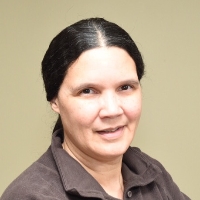

Holly Powell
MD, LCSW-C
Maryland - 15 yrs exp













How CBT Treats Social Anxiety and Phobia
If you struggle with social anxiety or a specific social phobia, CBT focuses on the connections between thoughts, feelings, and actions. You will work with a therapist to identify the unhelpful beliefs that keep anxiety alive - such as overestimating negative evaluation by others or predicting rejection without evidence. The cognitive part of CBT helps you test and reframe those beliefs so they become less powerful and less automatic. At the same time the behavioral component encourages gradual, purposeful exposure to feared social situations. By facing avoided social moments in a planned way, you can learn that feared outcomes are less likely or less devastating than you predicted. Over time repeated exposures build new learning, reduce avoidance, and increase confidence.
CBT also teaches practical skills that you can use between sessions. These include strategies for managing physical anxiety symptoms like trembling or heart racing, techniques for shifting attention away from self-focused monitoring, and gradual behavioral experiments designed to challenge negative predictions. Your therapist may work with you to design exposures that start small and grow in complexity, helping you track what you notice about your thoughts and outcomes. This combination of cognitive change and behavioral learning is what makes CBT particularly useful for social anxiety and phobia.
Finding CBT-Trained Help in Maryland
When you search for CBT-trained clinicians in Maryland, you can look for clinicians who explicitly list cognitive behavioral therapy among their specializations. Many therapists include training in CBT, acceptance-based CBT approaches, or related cognitive therapies on their profiles. You can narrow your search by location, whether you prefer in-person sessions or online options, and by areas of experience such as performance anxiety, public speaking fears, or social skills work. Large population centers like Baltimore offer many clinic options and training programs, while suburban and smaller communities around Columbia, Silver Spring, Annapolis, and Rockville may provide therapists with specialized local knowledge about schools, workplaces, and community resources.
Some therapists in Maryland practice from community mental health centers, university-affiliated clinics, or private practices. It can help to read clinician bios to understand their typical caseload, whether they use CBT as a primary approach, and how much experience they have treating social anxiety and phobia. If a therapist mentions use of structured CBT protocols, exposure-based practice, or assessment measures such as anxiety inventories, those are signs that their work is closely aligned with evidence-based CBT methods.
Questions to Ask When Searching
When evaluating profiles, you might look for descriptions of how therapy is structured and what progress typically looks like. Ask whether the therapist uses collaborative goal-setting, tracks symptoms over time, and integrates skill-building exercises into sessions. You can also inquire about whether they offer specialized programs for performance-related fears, adolescent social anxiety, or social phobia tied to work or school. Knowing how a therapist measures change and what homework or between-session practice they recommend will give you a clearer sense of fit.
What to Expect from Online CBT Sessions for Social Anxiety
Online CBT sessions can be a practical option if in-person access is limited or if you prefer working from home. Virtual sessions typically follow the same structure as in-person CBT: assessment, collaborative case formulation, cognitive restructuring, and exposure planning. Your therapist will guide you through exercises, assign practice tasks, and review your experiences. Many people find online work especially helpful for initial exposure steps because real-world social situations can be approached gradually - for example, starting with video calls, moving to phone conversations, and then progressing to in-person interactions as comfort increases.
In online sessions you should expect clear planning for exposures and concrete assignments you can do between meetings. Your therapist may request that you record anxiety ratings, note predictions before exposures, and reflect on actual outcomes afterward. Technology also allows therapists to observe behavioral experiments in real time or to role-play social interactions over video, which can be a useful rehearsal before facing public settings in Baltimore or attending meetings in Columbia. Make sure you and your clinician establish a plan for handling strong emotional reactions during or after sessions so you feel supported while practicing challenging tasks.
Evidence Supporting CBT for Social Anxiety and Phobia
CBT is one of the most researched approaches for social anxiety and phobia, with many studies showing lasting reductions in symptoms and avoidance. Research consistently demonstrates that cognitive interventions combined with exposure-based techniques produce measurable improvements in social fear and functional ability. While most of the research comes from a range of clinical settings, the principles apply across community clinics, university centers, and private practice. In Maryland, clinicians trained in CBT draw on this body of evidence to structure treatment plans, use standardized measures to track progress, and adapt exposures to local social contexts such as workplace meetings, public speaking events, or campus life.
Because CBT emphasizes measurable goals and skill development, it is often a good match if you want a treatment that is time-limited and focused on specific outcomes. Therapists who follow evidence-based CBT will frequently use validated questionnaires at intake and periodically during therapy so you and the clinician can see how symptoms change over time. This data-informed approach helps tailor exposure hierarchies and cognitive work to what is most impactful for you.
Tips for Choosing the Right CBT Therapist in Maryland
Choosing a therapist is a personal decision that blends professional qualifications with rapport and practical considerations. Start by confirming that CBT is a core part of the therapist's approach and that they have experience treating social anxiety and social phobia. Read profiles to learn whether they specialize in particular age groups or social contexts that match your needs. Consider logistics such as session times, whether they offer online appointments, and how far their office is from neighborhoods like Baltimore or Rockville. If you prefer community-based resources, look into university clinics or community mental health centers that provide training-based CBT at varying price points.
Reach out with a brief initial message or call to ask about assessment procedures, typical length of treatment, and how they structure exposures. Trust your sense of whether you can work collaboratively with the clinician. A good CBT therapist will explain the therapy process clearly, set measurable goals with you, and be willing to adapt methods based on your progress. If you are exploring options in Silver Spring or Annapolis, you can ask how the therapist incorporates local settings into exposure work so exercises are relevant to your daily life.
Practical Steps to Get Started
Once you identify a few promising clinicians, schedule a consultation or initial session to discuss goals and treatment style. Prepare a short summary of the social situations that cause the most difficulty and any steps you have already tried. Discuss scheduling, fees, and how the therapist prefers to coordinate between-session practice. Be open about what has and has not worked for you in the past so your clinician can tailor the CBT plan. With consistent practice and collaborative planning, CBT can help you reduce avoidance, reframe anxious predictions, and build confidence in social settings across Maryland.
Finding a therapist who aligns with your needs - whether in Baltimore, Columbia, Silver Spring, Annapolis, Rockville, or elsewhere in the state - can be the first step toward meaningful change. Use the listings above to compare clinicians, read their descriptions, and reach out to start a conversation about how CBT can address your social anxiety or phobia.