Find a CBT Therapist for Eating Disorders in Maryland
This page lists CBT clinicians across Maryland who focus on eating disorder treatment. Browse profiles below to compare training, therapeutic approach, and availability in Baltimore, Columbia, Silver Spring, and nearby towns.
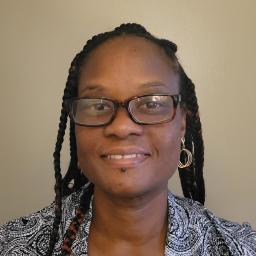







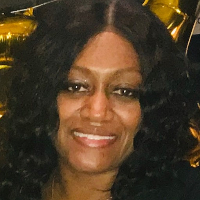
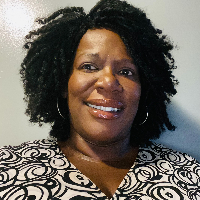
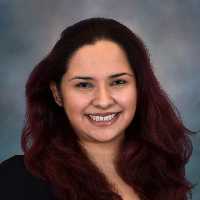







How CBT approaches eating disorder challenges
Cognitive behavioral therapy, or CBT, treats eating-related difficulties by addressing the thoughts and behaviors that maintain them. In practice, CBT helps you identify patterns of thinking that contribute to rigid rules about food, body image concerns, and cycles of restrictive eating or overeating. Therapists work with you to test and modify unhelpful beliefs, and to build alternative coping strategies that reduce reliance on disordered eating for emotional relief. The behavioral side of CBT focuses on gradual, concrete changes in eating patterns and routines. By designing experiments and homework assignments, your therapist helps you practice new responses in ordinary situations so that healthier habits take root.
Because CBT blends cognitive work with behavioral practice, it is task-oriented and time-limited. You and your therapist set clear goals, track progress, and adjust techniques as needed. This structured approach can make it easier to see where patterns begin and how small changes can produce meaningful improvements in daily life.
Finding CBT-trained help for eating disorders in Maryland
When you start searching for a CBT clinician in Maryland, look for therapists who explicitly state experience with eating disorders and training in CBT approaches. Many therapists in larger centers such as Baltimore, Columbia, and Silver Spring list relevant specialization in their profiles, along with licensure and postgraduate certifications. You can narrow your search by the type of CBT offered - including standard CBT, enhanced CBT that integrates body image work, or CBT tailored for disordered eating behaviors - and by practical factors such as location, availability, and whether the therapist offers evening or weekend sessions.
Local communities in Maryland vary in the range of services available. Urban areas often provide a wider network of multidisciplinary care, including clinicians who collaborate with dietitians and medical providers, while smaller towns may offer strong one-on-one therapeutic relationships with clinicians who travel between nearby cities. When you contact a clinician, ask about their experience treating eating-related concerns and whether they use outcome measures to track progress. That conversation can help you gauge whether a particular CBT approach aligns with your needs.
What to look for in credentials and training
Licensure is a baseline indicator that a therapist has met state requirements to practice. Beyond licensure, ask about specialized training in CBT and experience specifically addressing eating-related problems. Some clinicians pursue post-master or post-doctoral training in CBT, and others participate in workshops focused on exposure techniques, body image interventions, and working with co-occurring mood or anxiety symptoms. You can also inquire whether the therapist consults with nutrition professionals or medical teams when treatment requires coordinated care. These details help you understand how prepared a clinician is to handle the complex factors that influence eating behavior.
What to expect from online CBT sessions for eating disorders
Online CBT sessions have become a common option across Maryland and can make treatment more accessible if you live outside major hubs like Baltimore or Columbia. In a typical online CBT session, you meet with your therapist via video for the same structured work you would do in person. Sessions usually begin with a brief check-in on symptom changes and progress toward goals. You then review homework, practice cognitive techniques such as thought records or behavioral experiments, and plan steps to try between sessions. Your therapist may guide you through exposure exercises designed to reduce anxiety around certain foods or situations, and they will support you as you practice new eating patterns.
Because CBT relies on homework and real-world practice, online care emphasizes active collaboration. You will likely use worksheets, meal logs, or apps to track patterns and practice skills. Online sessions can offer flexibility if you need appointments outside of traditional office hours, and they often make it easier to maintain continuity of care when traveling or relocating within Maryland. If you prefer in-person therapy, many clinicians in Annapolis, Rockville, and other cities offer both formats so you can choose what fits your life.
Evidence supporting CBT for eating disorders
Research over several decades has examined CBT for eating-related concerns and found it to be a commonly recommended approach for addressing the behaviors and thoughts that perpetuate disordered eating. Studies suggest that CBT can help reduce episodes of binge eating and decrease harmful compensatory behaviors in many clients, while also improving coping skills and reducing the intensity of rigid eating rules. In clinical practice, CBT is often integrated with other supports, such as nutritional counseling, especially when medical or dietary guidance is needed.
In Maryland, clinicians tend to follow these evidence-based principles while adapting techniques to local needs and resources. When evaluating treatment options, consider asking potential therapists about the specific CBT models they use and whether they measure outcomes with standardized tools. Therapists who regularly collect outcome data can show how their approach helps clients over time, which can be an important part of making an informed choice.
Practical tips for choosing the right CBT therapist in Maryland
Start by clarifying what you want from therapy. Do you prefer a structured, skills-based program with homework and measurable goals, or a more exploratory style that still incorporates CBT techniques? Once you know your priorities, review therapist profiles for stated expertise in eating disorders and CBT. Look for therapists who describe their approach in concrete terms - for example, including exposure-based strategies or work on body image and self-monitoring. If you live near Baltimore, Columbia, or Silver Spring, you may have access to a wider range of specialists and multidisciplinary clinics. If you live elsewhere in Maryland, consider therapists who offer telehealth to widen your options.
When you reach out for a consultation, ask about the typical course of treatment, how progress is tracked, and whether the therapist collaborates with dietitians or primary care providers when needed. Discuss logistics such as session length, fees, sliding scale options, and what insurance plans they accept. You should also pay attention to how the therapist explains CBT concepts and whether their explanations feel clear and relatable. A comfortable fit in communication style can make it easier to commit to the work CBT requires.
Questions to ask during a first contact
During an initial phone or intake conversation, ask how much of the clinician's caseload is focused on eating-related concerns and what specific CBT techniques they find most helpful. Inquire about how they handle setbacks and how flexible treatment plans are when life circumstances change. If you are considering online care, ask about session security and technology requirements, and whether they offer resources to support homework between meetings. These practical details can help you decide if a therapist will be a good match for your goals and lifestyle.
Next steps as you search in Maryland
As you review listings, take advantage of brief introductory consultations many clinicians offer to get a sense of fit. If you find a therapist with experience in CBT and eating disorders in Baltimore, Columbia, Silver Spring, Annapolis, or Rockville, note whether their approach aligns with your goals and whether their availability meets your timing needs. Remember that finding the right therapist can take time, and it is reasonable to try an initial series of sessions before deciding whether to continue. With focused, collaborative CBT work, many people notice improvements in how they relate to food and body image, and you can use the resources on this page to find a clinician in Maryland who supports the kind of change you want to make.