Find a CBT Therapist for OCD in Louisiana
This page lists therapists across Louisiana who use cognitive behavioral therapy (CBT) to treat obsessive-compulsive disorder (OCD). You will find clinicians trained in evidence-based CBT approaches and options for in-person and online care. Browse the listings below to compare profiles and contact therapists who fit your needs.




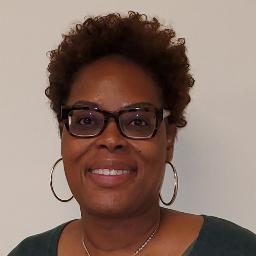
Aluthia Palmer-Brooks
LPC
Louisiana - 15 yrs exp











How CBT Treats OCD: What Makes This Approach Focused and Practical
Cognitive behavioral therapy approaches OCD by addressing both the thoughts that fuel anxiety and the behaviors that maintain compulsive patterns. Within CBT, clinicians work with you to clarify the specific obsessions - repetitive, intrusive thoughts or images - and the rituals or avoidance behaviors you use to relieve the distress those thoughts create. Therapy targets the cycle that keeps symptoms active by teaching you to test and change unhelpful beliefs while gradually reducing rituals. This two-pronged emphasis on thinking and doing helps you build lasting skills for managing distress without relying on compulsions.
Cognitive mechanisms: shifting the story you tell yourself
In CBT you learn to examine the assumptions and predictions that make intrusive thoughts seem intolerable. Rather than accepting every thought as an accurate indicator of danger or meaning, you practice evaluating evidence, considering alternative explanations, and tolerating uncertainty. Over time you develop more flexible thinking patterns that reduce the urgency of rituals. Your therapist will guide you through structured exercises that allow you to notice patterns in thinking and experiment with different responses to those thoughts.
Behavioral mechanisms: exposure and response prevention
A core behavioral component of CBT for OCD is exposure and response prevention - ERP - which is a methodical approach to facing feared situations or thoughts while intentionally refraining from the compensatory rituals. With your therapist you create a hierarchy of triggers and gradually work from less distressing to more distressing exposures. This repeated practice reduces the automatic anxiety response and teaches your body and mind that distress decreases even without performing rituals. ERP is a practical training in tolerance and adaptive coping rather than avoidance.
Finding CBT-Trained Help for OCD in Louisiana
When you look for a CBT therapist in Louisiana, consider licensed clinicians who list training in cognitive behavioral therapy and specific experience with OCD and ERP. Many therapists include these details in their profiles, along with credentials, specialties, and therapy formats. You can filter listings by the treatment approach, city, and whether a clinician offers telehealth. In urban centers like New Orleans and Baton Rouge you are likely to find a broader range of specialists trained in intensive ERP and group-based CBT programs, while Shreveport and Lafayette often have experienced clinicians who provide flexible scheduling and strong community-based care. If you live in a rural area, look for therapists who explicitly offer online sessions to ensure consistent access to evidence-based care.
What to Expect from Online CBT Sessions for OCD
Online CBT for OCD follows many of the same principles as in-person work, with a few practical differences. You should expect an initial assessment to identify your primary obsessions, typical rituals, and functional goals for therapy. Sessions typically run 45 to 60 minutes and include both cognitive work - such as restructuring unhelpful beliefs - and behavioral assignments like guided exposures you can practice between appointments. Your therapist may coach you through exposures in real time using video, ask you to record ritual urges, and review homework logs to track progress. Online sessions can make it easier to practice exposures in your actual home environment, which can increase relevance and generalization of skills.
To get the most from online CBT you should set aside a quiet, comfortable area for sessions where you can speak openly and perform exercises when requested. Discuss with your therapist how to handle urgent distress and when to involve local supports if needed. Technology requirements are usually straightforward - a stable internet connection and a device with camera and microphone - and many clinicians will offer a brief tech check before the first full session to ensure you feel comfortable with the platform.
Evidence Supporting CBT for OCD in Louisiana
National and international research supports CBT with ERP as a leading approach for reducing OCD symptoms, and clinicians in Louisiana follow these evidence-based practices. You can find therapists who have completed specialist training or continuing education in OCD treatment, and academic and clinical centers in the state often host workshops and trainings that keep local clinicians up to date on best practices. While outcomes can vary by individual, the research base shows that consistent CBT work produces measurable improvements in anxiety management and functional recovery for many people with OCD. When you evaluate a therapist, ask about their training, experience with ERP, and how they measure progress so you can make an informed choice based on methods and outcomes.
Tips for Choosing the Right CBT Therapist for OCD in Louisiana
Choosing the right therapist is a personal process and it helps to be intentional about the qualities that matter to you. Start by looking for a clinician who explicitly lists CBT and exposure and response prevention on their profile and who has experience treating OCD presentations similar to yours. Ask about their approach to exposures - how they structure hierarchies, how they support you through high-anxiety moments, and how they balance cognitive work with behavioral practice. Consider practical factors such as session format, availability, fee structure, and whether they accept your insurance or offer sliding scale options. If cultural background or language matters to you, look for therapists who note relevant competencies or who practice in your city. For example, tapping a clinician in New Orleans may be ideal if you prefer someone familiar with urban cultural contexts, while clinicians in Baton Rouge or Shreveport might have deep experience with community resources in those regions.
It is also reasonable to request a brief consultation or initial phone intake to gauge fit. The therapeutic relationship matters as much as technical skill - you should feel heard and understood, and you should have a clear sense of how your therapist plans to work with OCD. Ask about expected length of treatment, typical session structure, and how progress is tracked. These conversations can help you evaluate whether a therapist’s style and plan align with your preferences and goals.
Practical Considerations for Starting CBT in Louisiana
When you begin CBT for OCD, plan for frequent sessions early on, because consistent, repeated practice is central to progress. Many therapists recommend weekly sessions at first, with a focus on regular homework and exposures between appointments. If travel or scheduling is a barrier, online sessions can make it feasible to maintain a steady pace. Be prepared to invest time outside of sessions in practicing exposures, tracking symptoms, and applying cognitive techniques to day-to-day situations. Progress can be gradual and sometimes nonlinear, but having a clear plan and regular measurement helps you and your therapist make adjustments when needed.
Beyond clinical care, your local community can be a resource. Support groups, educational workshops, and family-focused sessions can supplement one-on-one CBT and help loved ones understand how to support you through ERP practice. Cities such as Lafayette and New Orleans often host mental health events and training opportunities that can connect you to therapists and peer resources.
Next Steps
If you are ready to begin CBT for OCD in Louisiana, use the listings above to compare therapists by approach, location, and availability. Reach out to clinicians to ask about their training in ERP, how they structure online versus in-person sessions, and what you can expect in the first few months of therapy. With a therapist who uses CBT methods and a clear plan for exposure work and cognitive strategies, you can begin learning practical skills to reduce the grip of obsessive thoughts and compulsive behaviors on your daily life.