Find a CBT Therapist for Isolation / Loneliness in Louisiana
This page connects visitors with CBT therapists across Louisiana who focus on isolation and loneliness. Listings highlight clinicians trained in cognitive behavioral therapy approaches used to address social withdrawal and persistent loneliness. Browse the therapist profiles below to compare experience, locations, and therapy options.


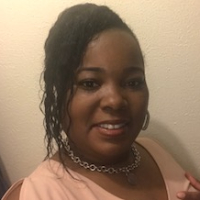















Kimberly Ragas-Matalamaki
LPC
Louisiana - 8 yrs exp





How CBT treats isolation and loneliness
Cognitive behavioral therapy works by addressing the thoughts and behaviors that keep loneliness in place. When you feel isolated, your mind often falls into patterns - negative predictions about social interactions, selective attention to rejection cues, or avoidance of social opportunities. CBT helps you identify those patterns, examine the evidence for them, and test alternative beliefs in real life. At the same time, behavioral techniques encourage gradual re-engagement with people and activities through manageable steps, which can lead to new experiences that challenge unhelpful thoughts.
Therapists trained in CBT use a mix of cognitive techniques - such as thought records and cognitive restructuring - and behavioral strategies like behavioral activation and graded exposure. You may work on skills that support social connection, including initiating conversations, improving listening, and managing anxiety in group settings. CBT also often includes problem-solving work to address practical barriers to connection, whether those are scheduling constraints, mobility issues, or difficulties finding welcoming communities.
Finding CBT-trained help for isolation and loneliness in Louisiana
When you search for a CBT therapist in Louisiana, it helps to look for clinicians who explicitly list CBT training or certification on their profiles. Licensing requirements vary by profession - psychologists, licensed clinical social workers, professional counselors, and marriage and family therapists each hold state licenses - so you can confirm a clinician's license type and standing with the Louisiana licensing board if you wish. Experience treating loneliness or related concerns such as social anxiety or depression can be an important marker of fit, since those issues often overlap with persistent isolation.
Geography matters in practical ways. If you prefer in-person sessions, consider therapists located near cities such as New Orleans, Baton Rouge, Shreveport, or Lafayette where there tends to be a larger pool of clinicians and group offerings. If travel is a barrier, many CBT therapists also offer remote sessions that make it easier to connect with a clinician who specializes in loneliness even if they are based in another city in the state.
Where to look and what to ask
When you review profiles, note whether the clinician mentions specific CBT modalities such as cognitive processing, behavioral activation, or social skills training. You can ask prospective therapists about their experience working with isolation and loneliness, typical session structure, and any homework you might be given. Practical questions about scheduling, session length, and fees are important too. If community connection is a goal, ask whether the clinician can recommend local groups, classes, or volunteer opportunities in your area that align with your interests.
What to expect from online CBT sessions for isolation and loneliness
If you choose online CBT, sessions typically follow a structure similar to in-person therapy. You and your therapist will review recent experiences, identify helpful learning points, practice cognitive or behavioral techniques in session, and agree on small tasks to try between meetings. Many people find online sessions convenient because they reduce travel time and let you meet with therapists across Louisiana, which can be especially helpful if you live outside a major metro area or have mobility constraints.
Expect your therapist to collaborate with you on goals that matter in your daily life. Early sessions often focus on assessment and problem formulation - understanding how loneliness shows up for you and which thoughts and behaviors maintain it. Later sessions emphasize skill-building, experimentation, and consolidation of gains. Homework is a core part of CBT, not as busywork but as practice: small, achievable steps can gradually expand your comfort with social contact and build evidence that counters negative expectations.
Evidence supporting CBT for isolation and loneliness
CBT is widely used to address issues that contribute to loneliness, including negative thinking patterns and avoidance behavior. Research literature indicates that interventions targeting cognition and behavior can reduce perceived loneliness and improve social functioning. Studies across different populations have found that structured, skill-based approaches help people reinterpret social cues, increase social activity, and build coping strategies that support sustained connection.
While most of the research is not limited to a single state, clinicians in Louisiana draw on that broader evidence base when adapting CBT techniques to local communities. Therapists often tailor interventions to be culturally and contextually relevant - for example, by incorporating local social norms or recommending community resources in New Orleans or Baton Rouge. As with any therapeutic approach, individual response varies, and many clinicians integrate CBT with other supportive strategies to fit a client's preferences and history.
Tips for choosing the right CBT therapist in Louisiana
Start by clarifying what matters most to you. Do you want a therapist with extensive CBT training, experience with social anxiety, or someone who offers evening sessions? Once you have priorities, use the directory listings to compare clinicians by focus areas, session formats, and location. Consider scheduling brief phone or video consultations to get a sense of fit before committing to ongoing sessions. During those conversations, pay attention to how the therapist explains CBT techniques and whether they describe collaborative homework and measurable goals.
Practical considerations matter too. If you live in or near New Orleans, Baton Rouge, or Shreveport, you may have more options for in-person care and group programs. In smaller towns, remote options can widen your choices. Ask about fees, sliding scale availability, and whether the therapist can recommend low-cost community supports such as workshops or peer groups. If language, culture, or accessibility are important, inquire about those accommodations up front so you can find a clinician who aligns with your needs.
Getting started and next steps
Taking the first step can feel daunting, but a skilled CBT therapist will help you set practical, achievable goals and track progress. You do not need to have everything figured out before contacting a clinician. You can begin by identifying a few therapists whose profiles mention CBT and experience with loneliness, then reach out to ask about their approach and availability. Many people find that a short series of focused CBT sessions produces clearer thinking and actionable changes that make social engagement feel more attainable.
As you explore options across Louisiana, remember that therapy is a collaborative process. You and your therapist will tailor techniques to your preferences and life circumstances. Whether you are in New Orleans sorting through complex social networks, in Baton Rouge juggling work and family demands, or in Shreveport seeking local activities to expand connections, CBT offers tools that help you shift patterns that keep you feeling isolated and build steps toward more satisfying social life.
When you are ready, review the listings above to compare CBT-trained therapists, note who seems like a good match, and reach out to schedule a consult. Small, consistent actions guided by evidence-based techniques can help create meaningful change over time.