Find a CBT Therapist for Eating Disorders in Louisiana
This page connects you with therapists in Louisiana who use cognitive behavioral therapy (CBT) to treat eating disorders. You will find clinicians listed by location and experience who focus on CBT approaches.
Browse the listings below to compare training, treatment styles, and availability so you can reach out to a therapist who fits your needs.






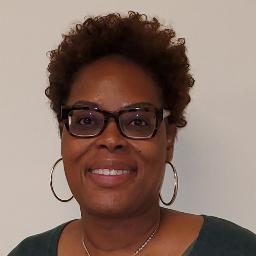
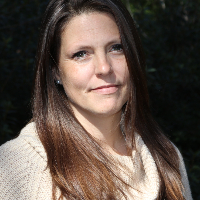
Aluthia Palmer-Brooks
LPC
Louisiana - 15 yrs exp









How CBT works for eating disorders
Cognitive behavioral therapy focuses on the relationship between thoughts, feelings, and behaviors. When you work with a CBT clinician for an eating disorder, the aim is to identify and change unhelpful thinking patterns about food, weight and self-worth while also addressing behaviors that maintain disordered eating. In practice you learn to notice automatic negative thoughts, test assumptions through behavioral experiments, and build alternative responses that reduce the urge to engage in restrictive eating, bingeing or compensatory behaviors.
Therapists often begin with a careful assessment of eating patterns and the thoughts and situations that trigger difficult behaviors. You then develop a structured plan that includes self-monitoring, gradual exposure to feared foods or situations, and development of coping skills for managing strong emotions. Over time the cognitive work helps you reinterpret body-related thoughts and the behavioral interventions create new routines that replace old, harmful habits.
Finding CBT-trained help for eating disorders in Louisiana
When you search for a CBT therapist in Louisiana, look for clinicians who explicitly describe CBT as a central part of their approach and who have experience with eating disorders. Licensure varies by profession - many psychologists, licensed clinical social workers, and licensed professional counselors provide CBT. Some clinicians pursue additional training in evidence-informed models such as enhanced CBT for eating disorders. You can also find clinicians connected to university training clinics or specialty programs in urban centers, which can be especially useful if you want a therapist who has experience working with a range of presentations.
Cities like New Orleans, Baton Rouge, Shreveport and Lafayette host a mix of private practices and clinic-based services. If you live outside a major city, consider therapists who offer telehealth - this expands your options while allowing you to work with someone whose training aligns closely with your needs. When reviewing profiles, focus on clear descriptions of experience with eating disorders, how CBT is applied in treatment, and whether the clinician collaborates with medical providers and dietitians when that coordination is appropriate for your care.
Questions to guide your search
It helps to reach out with a few specific questions before scheduling a first appointment. Ask about the therapist's experience treating eating disorders with CBT, what a typical course of treatment looks like, and how they incorporate meal planning or behavioral experiments into sessions. You may want to know whether they work with medical teams or registered dietitians, what their availability is for crisis or urgent concerns, and whether they provide in-person sessions in areas such as New Orleans or remote sessions for other parts of the state. These conversations give you a clearer sense of fit and can reduce uncertainty as you begin care.
What to expect from online CBT sessions for eating disorders
Online CBT sessions follow many of the same principles as in-person therapy, with adaptations for the virtual setting. Your therapist will typically complete an intake assessment, gather a history of eating behavior and health, and set collaborative goals. Sessions often include review of self-monitoring records, cognitive restructuring exercises, and planning for behavioral tasks you will practice between sessions. Homework is a core component - you will be asked to keep detailed logs of meals, urges and feelings so that you and your therapist can spot patterns and test new strategies.
Technically, online sessions require a stable internet connection and a quiet, comfortable environment where you can speak freely. Your therapist can help you establish a routine for sessions, protect your time and privacy in the home, and suggest ways to manage distractions during exercises such as exposure to feared foods. Many people find virtual work convenient because it removes travel time and makes it easier to fit consistent sessions into a busy schedule while still receiving structured CBT interventions.
Evidence supporting CBT for eating disorders in Louisiana
CBT has a substantial evidence base for several eating disorder presentations, and clinicians in Louisiana draw on that research when planning care. Clinical guidelines and research literature support cognitive behavioral approaches for helping people reduce binge eating and address the thoughts and behaviors that perpetuate disordered eating. Local clinicians often adapt these evidence-informed techniques to the cultural and social landscape of Louisiana, taking into account factors like food traditions, family dynamics and community resources in cities such as New Orleans and Baton Rouge.
Training programs and workshops offered through regional academic centers and professional organizations help maintain high standards of practice, and therapists frequently participate in continuing education to stay current with advances in CBT for eating disorders. When you ask therapists about their training, inquire how they apply research findings to practical treatment plans and how they measure progress so you can know what to expect during your work together.
Tips for choosing the right CBT therapist in Louisiana
Choosing a therapist often feels personal as well as practical. Start by clarifying what matters most to you - whether that is specific experience with a diagnosis, convenience of location or telehealth, cultural understanding, or collaboration with other providers. When you read profiles, look for descriptions of CBT techniques such as cognitive restructuring, exposure exercises, self-monitoring and relapse prevention. Consider scheduling initial consultations with a few clinicians to get a sense of their communication style and whether you feel comfortable discussing sensitive topics with them.
Cost and insurance are important considerations. Ask about fees, sliding scale options and whether the therapist accepts your insurance. If you rely on medical oversight for health concerns tied to an eating disorder, check whether a therapist coordinates care with physicians and dietitians. Also think about practical logistics - session length, frequency, cancellation policies and how they handle urgent concerns outside sessions. In larger cities like Shreveport or Lafayette you may have more local options for interdisciplinary teams, while telehealth can bridge gaps if your community has fewer specialized services.
Working with other professionals in your area
CBT is often most effective when it is part of a coordinated plan that includes medical monitoring and nutritional support as needed. You may need to work with a primary care provider or a registered dietitian alongside therapy, especially during the early phase of treatment. Therapists in Louisiana commonly collaborate with local medical professionals to track weight, labs and other health indicators, or to ensure safe levels of behavioral change. If you live in or near a major city, ask whether the therapist can recommend trusted dietitians or medical clinics in New Orleans, Baton Rouge or other nearby centers.
Moving forward with care
Reaching out for CBT treatment is a practical step toward changing patterns that have become difficult to manage. You do not have to navigate this alone - therapists in Louisiana who specialize in CBT for eating disorders can offer structured, evidence-informed care and coordinate with other professionals when needed. Begin by browsing the listings on this page, reading clinician profiles, and contacting a few therapists to learn more about their approach. Choosing a therapist you feel comfortable with and who uses CBT techniques aligned with your goals can make the early weeks of treatment feel purposeful and focused.
If you live near New Orleans, Baton Rouge, Shreveport or Lafayette, you will likely find clinicians who offer both in-person and online appointments to match your needs. Take your time comparing options, and trust that finding the right CBT clinician is a gradual process - one that can set the stage for steady progress and clearer day-to-day routines around food and body image.