Find a CBT Therapist for Social Anxiety and Phobia in Kansas
This page lists therapists across Kansas who specialize in treating social anxiety and phobia using cognitive behavioral therapy (CBT). Explore clinician profiles, learn about their CBT approach, and browse the listings below to find a fit for your needs.
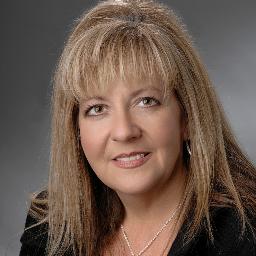






Catherine Lorino
LSCSW, LCSW
Kansas - 30 yrs exp















How CBT specifically treats social anxiety and phobia
If you struggle with intense fear in social situations or persistent avoidance of specific social settings, CBT targets the thoughts and behaviors that maintain those patterns. CBT works on two main fronts - the cognitive side and the behavioral side. On the cognitive side you learn to identify and examine anxious thoughts that amplify fear, such as assuming negative evaluation or expecting instant rejection. By testing the accuracy of those predictions and learning to reframe them, you gradually reduce the power those thoughts hold over your feelings and actions.
On the behavioral side CBT uses gradual, structured exposure to the situations you fear. Rather than avoiding social situations, you work with your therapist to approach them in manageable steps so that your nervous system can learn a different response over time. Exposure is paired with cognitive techniques and skills training so that you have practical ways to cope when anxiety rises. Over repeated practice you weaken the link between social cues and automatic fear responses, which makes participation in everyday activities feel more achievable.
Cognitive techniques you can expect
In sessions you will often practice identifying automatic thoughts and testing them against evidence. You may keep thought records to track situations that trigger anxiety and the interpretations you make. Therapists guide you to consider alternative explanations and to build balanced self-statements that reflect a more realistic view of social interactions. This process helps reduce catastrophic thinking and the urge to avoid contact with others.
Behavioral techniques used in CBT
Exposure exercises are central to behavioral work. Your therapist helps you create a hierarchy of feared situations and supports you as you move from less to more challenging items on that list. Role-playing, behavioral experiments, and homework practice are common. You may also learn social skills and communication strategies to increase confidence in interactions. Breathing and grounding exercises are taught as short-term tools to manage physiological arousal while you work through exposures.
Finding CBT-trained help for social anxiety and phobia in Kansas
When looking for a CBT-focused clinician in Kansas, start by checking listed credentials and training. Many therapists list specialized CBT training, certification, or workshops focused on anxiety disorders. You can also look for clinicians who describe experience with exposure therapy, social skills training, or cognitive restructuring. Because Kansas is home to a range of providers, you can often find options in urban centers and smaller communities alike.
Major population centers including Wichita, Overland Park, Kansas City, and Topeka typically offer a broader selection of CBT-trained clinicians and clinics. In smaller towns you may find therapists who incorporate CBT into their practice even if they describe a blended therapeutic approach. When exploring profiles, read how each clinician explains their methods and what kinds of outcomes they emphasize. That can give you a sense of whether their version of CBT aligns with your expectations for targeted work on social anxiety and phobia.
Credentials and training to look for
Therapists in Kansas may hold licenses such as LPC, LCSW, LMFT, or clinical psychology degrees. Beyond licensure, look for mention of CBT training programs, continuing education in anxiety disorders, or experience administering exposure-based treatments. Therapists who note work with social anxiety specifically are likely to be familiar with the practical tools you will use, including thought records, exposure planning, and relapse prevention strategies.
What to expect from online CBT sessions for social anxiety and phobia
Online CBT sessions offer flexibility and can make it easier to access specialized clinicians who may not be nearby. In teletherapy you will engage in the same cognitive and behavioral work you would in person - identifying thoughts, planning exposures, and practicing skills between sessions. Your therapist will guide you through exercises, help you design real-world exposure tasks, and debrief how each practice went. Technology can also allow for in-the-moment coaching, where you attempt a social task during a session and receive immediate feedback.
If you choose online care, expect to establish a consistent rhythm for sessions and homework. Higher-intensity anxiety work often uses weekly appointments at first, and your therapist will collaborate with you about pacing so you do not become overwhelmed. You will need a quiet space for sessions and a stable internet connection. Some therapists incorporate worksheets and digital tools to track progress and homework assignments between meetings.
Evidence supporting CBT for social anxiety and phobia
Research indicates that CBT is a well-established, evidence-supported approach for treating social anxiety and related phobias. Studies consistently show that the combination of cognitive restructuring and exposure techniques reduces avoidance and improves daily functioning for many people. In clinical practice you can expect measurable changes in how often you avoid social situations and in how intensely you experience fear during interactions when you apply CBT strategies consistently.
In Kansas you will find clinicians who base their practice on these evidence-based principles, adapting interventions to your personal goals and cultural context. Evidence also supports the use of structured homework and behavioral experiments as key drivers of change, which means successful CBT often depends on collaborative effort between you and your therapist outside of session time as well as within it.
Tips for choosing the right CBT therapist in Kansas
Choosing a therapist is a personal decision and it helps to prioritize fit as much as credentials. When you review profiles, pay attention to how therapists describe their approach to social anxiety and phobia. You may prefer a clinician who emphasizes exposure-based work and skill-building if you want focused, goal-oriented therapy. If you value a gentler pacing, look for therapists who mention a stepped approach or who describe experience with clients who start from high anxiety levels.
Consider practical details as well, such as office location, availability for evening or weekend appointments, and whether the therapist offers online sessions. If you live in or near Wichita, Overland Park, Kansas City, or Topeka you may have more in-person options. If travel is a barrier, online CBT can expand your choices. When contacting a potential clinician, ask about their experience with social anxiety specifically, how they structure exposure work, and what typical session and homework expectations look like. A brief initial conversation can reveal whether their style and expectations match your needs.
Finally, think about logistical and interpersonal factors. Therapy requires commitment, so choosing a therapist whose approach feels understandable and whose communication style helps you feel motivated can make a real difference in progress. It is acceptable to try a few clinicians before deciding which one helps you move toward the goals you set for managing social anxiety and phobia.
Getting started in Kansas
Beginning CBT for social anxiety and phobia is often a process of small steps that build sustainable change. You will work with your therapist to set clear, achievable goals and to measure progress along the way. Whether you live in a major Kansas city or a smaller community, there are CBT-trained clinicians who can tailor evidence-based techniques to your situation. Use the listings above to compare clinician descriptions, check training and availability, and reach out to schedule an introductory conversation. That first step can help you find a collaborative therapist who supports the gradual, practical work of reducing avoidance and increasing comfort in social situations.