Find a CBT Therapist for Eating Disorders in Kansas
This page lists therapists in Kansas who specialize in treating eating disorders using cognitive behavioral therapy (CBT). Listings highlight clinicians serving Wichita, Overland Park, Kansas City and nearby communities. Browse the listings below to compare approaches and find a suitable clinician.
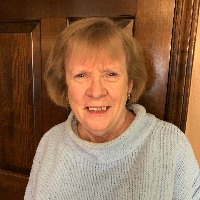

Catherine Lorino
LSCSW, LCSW
Kansas - 30 yrs exp


















How cognitive behavioral therapy approaches eating disorders
CBT focuses on the connection between thoughts, feelings and behaviors, and translates those ideas into practical steps that address eating-related patterns. In the context of eating disorders, CBT helps you identify and gently challenge unhelpful beliefs about food, weight and self-worth while also changing behaviors that maintain unhealthy cycles. The work typically combines cognitive techniques - such as examining automatic thoughts and testing beliefs - with behavioral strategies - such as regular eating schedules, exposure to feared foods, and behavioral experiments that change the pattern of avoidance and restriction.
When you begin CBT for an eating disorder, the initial phase often involves assessment and self-monitoring. Tracking meals, moods and urges provides a clearer picture of triggers and patterns. From there, your therapist will collaborate with you to set concrete goals and introduce interventions that directly target maintaining factors. For example, cognitive restructuring can reduce catastrophizing thoughts about minor changes in weight, while experiment-based practice can decrease the anxiety that arises when you try a previously avoided food. Over time this combined cognitive-and-behavioral approach aims to weaken unhelpful habits and strengthen more balanced ways of coping.
Addressing body image and perfectionism
Body image concerns and perfectionistic standards are common factors that can sustain disordered eating. CBT approaches these issues by helping you examine underlying rules and assumptions - such as beliefs that self-worth depends on meeting a particular body ideal. Therapy includes techniques to test those rules in real life and to build more flexible thinking. That work often reduces the emotional intensity that drives restrictive or compensatory behaviors, and helps you develop alternative strategies for managing stress and self-criticism.
Finding CBT-trained help for eating disorders in Kansas
When searching for a clinician in Kansas, look for therapists who describe specific CBT training and experience with eating disorders. Many clinicians will note specialized training in cognitive behavioral therapy for eating disorders or in treatments adapted for bulimia, binge eating, or disordered restrictive eating. You can also ask whether a therapist uses structured assessment tools and progress measures - practices that are common among CBT-oriented providers and helpful for tracking change.
Consider geography and access as you search. Kansas has clinicians based in cities such as Wichita, Overland Park, Kansas City and Topeka, as well as practitioners who serve smaller towns and rural areas. If in-person sessions are important, check proximity to your home or workplace and whether the clinician offers flexible scheduling. If travel is a barrier, many CBT therapists offer remote sessions that maintain the same structured approach and accountability as office-based work.
What to expect from online CBT sessions for eating disorders
Online CBT sessions follow many of the same steps as face-to-face therapy, with adaptations to the digital format. You will typically have a scheduled video or telephone appointment, during which you and your therapist review homework, practice skills, and plan behavioral experiments for the coming week. Therapists often assign measurable tasks between sessions - such as keeping a food and mood log or completing a cognitive worksheet - and will review those assignments to guide treatment decisions.
Remote work allows for flexibility and can increase access to clinicians with specialized training who may not be available locally. You should expect a clear structure to sessions, regular check-ins on progress, and a collaborative approach to setting goals. Therapists may also incorporate online materials or worksheets to support in-session learning. If you are balancing medical care, your CBT clinician can coordinate with physicians or nutrition professionals to ensure a comprehensive approach to safety and recovery.
Research and outcomes supporting CBT for eating disorders
Clinical research has found that CBT is a commonly recommended approach for many types of eating disorders and disordered eating patterns. Studies have examined how cognitive and behavioral techniques reduce binge episodes, decrease compensatory behaviors, and improve attitudes toward food and body image. While individual outcomes vary, the structured focus and emphasis on measurable goals make CBT a common starting point for people seeking change.
In Kansas, therapists who practice CBT for eating disorders often draw on this broader research while tailoring interventions to individual needs. That may mean integrating components such as exposure to feared foods, relapse prevention planning, and family involvement when relevant. The therapist you choose should be able to explain how research-informed techniques inform their clinical decisions and how progress will be measured over time.
Practical tips for choosing the right CBT therapist in Kansas
Start by identifying therapists who explicitly list CBT and eating disorder experience in their profiles. When you reach out, ask about specific training and experience with the type of eating-related concern you are facing. Inquire how they structure sessions, what typical homework looks like, and how they monitor progress. A helpful clinician will welcome your questions about how CBT is applied and will be transparent about expected timelines and goals.
Consider compatibility as much as credentials. Therapeutic rapport - the sense that you can work collaboratively with a clinician - is a strong predictor of benefit. Use an initial phone call or consultation to get a sense of style and approach. If you prefer a therapist with experience working with adolescents, adults, a particular gender identity, or cultural background, state those preferences early so you can be matched appropriately.
Also think through logistics such as payment options and scheduling. Some therapists accept insurance, while others offer a sliding scale or self-pay rates. If proximity matters, search for clinicians who list offices in Wichita, Overland Park, Kansas City or Topeka. If you need evening or weekend availability due to work or school, ask about flexible scheduling. For those who travel or live in rural areas, remote appointments may expand your options and make it easier to access a clinician who specializes in CBT for eating disorders.
Coordinating care
Because eating concerns can affect physical health and nutrition, it is common for CBT therapists to work alongside medical providers or registered dietitians. When you contact a clinician, ask whether they collaborate with other professionals and how that coordination typically occurs. A therapist who communicates with medical or nutritional professionals can help ensure that therapy and medical monitoring align with your safety and recovery goals.
Taking the first step
Choosing a therapist can feel overwhelming, but focusing on a few key factors - CBT-specific training, experience with eating disorders, logistical fit, and a good personal match - can narrow the field. Use the listings on this page to identify clinicians in Kansas, read their profiles, and reach out for an initial conversation. That first call can clarify whether their approach feels right and help you begin building a treatment plan that addresses both thoughts and behaviors in a practical, goal-oriented way.
Whether you live near Wichita, Overland Park, Kansas City or elsewhere in Kansas, skilled CBT clinicians are available who concentrate on eating disorders. Taking time to ask informed questions and to compare styles can increase the chances of finding a therapist who matches your needs and supports steady progress over time.