Find a CBT Therapist for Compulsion in Kansas
This page lists therapists in Kansas who focus on treating compulsion using cognitive behavioral therapy (CBT). Explore clinician profiles trained in CBT approaches and browse providers across the state.
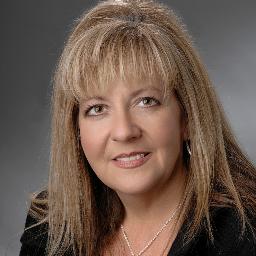


Lorinda Wente
LCPC
Kansas - 30 yrs exp
















How CBT addresses compulsion
Cognitive behavioral therapy approaches compulsion by examining the thoughts and behaviors that maintain repetitive actions. In CBT you learn to identify the triggers that prompt a compulsive behavior, the beliefs that give the behavior meaning, and the short-term relief that reinforces repetition. Treatment combines cognitive work - changing unhelpful beliefs and interpretations - with behavioral strategies that reduce the cycle of compulsion over time. One common behavioral technique is gradual exposure combined with response prevention, which helps you face urges or feared situations without performing the compulsive behavior, so that the urge loses its power through experience.
When you work with a CBT therapist for compulsion you are invited to track patterns, test assumptions, and practice alternative responses in everyday life. Therapists help you break complex problems into manageable steps so change feels achievable. The focus is practical - learning skills you can use in moments of distress and building routines that reduce reliance on compulsive responses.
Finding CBT-trained help for compulsion in Kansas
When searching in Kansas, consider clinicians who list CBT training and experience treating compulsion specifically. Licensed professionals often hold credentials such as licensed professional counselor, licensed clinical social worker, or psychologist, and many pursue additional CBT certification or ongoing training in exposure-based techniques. You can search by city if location matters; larger urban centers like Wichita, Overland Park, Kansas City, and Topeka typically have more providers with specialized training, while smaller communities may offer telehealth options to connect you with experienced CBT clinicians.
Local training programs and continuing education offerings in Kansas contribute to a steady pool of therapists familiar with CBT methods. When reviewing profiles, look for descriptions of the therapist's approach, examples of interventions used, and any specific experience with compulsive behaviors. A therapist who describes using structured, measurable plans and assigns between-session practice can be a good match if you want a skills-focused, outcome-oriented approach.
What to expect from online CBT sessions for compulsion
Online CBT sessions follow many of the same steps as in-person therapy, adapted for a virtual environment. In an initial assessment your therapist will ask about the history of your compulsive behaviors, what you already do to cope, and how compulsions affect daily life. Together you will agree on goals and create a treatment plan that maps out techniques, session frequency, and homework assignments. Sessions usually include review of recent situations, practice of cognitive restructuring or behavioral experiments, and planning for real-world practice between sessions.
For exposure-based work delivered online you and your therapist will design exercises that you can perform in your home or community while remaining connected by video or telephone. Your therapist guides the process, helps you rate your distress and urge levels, and supports gradual progression. You will be encouraged to keep detailed records of exposure trials and outcomes so progress is measurable. Technology makes it possible to access qualified CBT clinicians who may not be located near you, and many people find working from a quiet room at home helps them transfer practice directly into everyday routines.
Evidence and effectiveness of CBT for compulsion
CBT has a robust evidence base for reducing compulsive behaviors, with many studies showing meaningful improvements in symptom frequency and distress. Research supports the use of cognitive interventions to change unhelpful beliefs and behavioral interventions that reduce avoidance and ritualized responding. Clinicians in Kansas commonly draw on this evidence when designing individualized treatment, applying core principles while adapting pace and emphasis to each person's needs.
While outcomes vary based on factors like severity, co-occurring conditions, and consistency of practice, many people experience reductions in compulsive urges and gains in daily functioning. Because CBT emphasizes measurable goals and homework, it also offers a transparent way to track change. If you are evaluating options in Kansas, asking about a clinician's approach to measurement and progress tracking can give you a sense of how treatment success will be monitored.
Tips for choosing the right CBT therapist for compulsion in Kansas
Start by clarifying what matters most to you - for example, experience with exposure work, evening availability, or a therapist who offers telehealth. Read provider profiles to learn about training and therapeutic style. When you contact a therapist, ask how much of their work focuses on compulsive behaviors and what specific CBT techniques they use. It is reasonable to ask about how they measure progress and what a typical course of therapy looks like for someone with your concerns.
Consider practical factors such as location, session length, and whether the therapist accepts your insurance or offers sliding scale fees. If you live in Wichita, Overland Park, Kansas City, or Topeka you may have easier access to clinicians with specialty training, but telehealth can broaden your options if local availability is limited. Trust and rapport are also important - many people find an initial consultation helpful for assessing whether a therapist's communication style and expectations fit with their preferences.
Making the most of CBT for compulsion
To benefit from CBT you will typically engage in exercises outside of sessions, so commitment to practice is central. Keep a record of situations that trigger compulsive urges, note your thoughts in those moments, and practice alternative responses recommended by your therapist. Setting clear, realistic goals for change helps maintain momentum. You should also plan for moments of high stress by discussing coping options and relapse prevention strategies with your therapist.
Involving family or close friends can be helpful when appropriate, as they can support exposure practice and reinforce new routines. If you have practical constraints - such as work schedules or caregiving responsibilities - discuss them early so your therapist can tailor the pace and homework to your life. Progress is often gradual, and setbacks are a normal part of learning new skills. With consistent practice, many people find their compulsive behaviors become less controlling and more manageable.
Next steps in Kansas
If you are ready to begin, use the listings above to compare CBT-trained clinicians and read about their specific approaches to treating compulsion. Consider booking an initial consultation to assess fit, discuss treatment planning, and learn how CBT techniques would apply to your situation. Whether you are in a city like Wichita, living near Overland Park or Kansas City, or in a smaller Kansas community, there are CBT options that can be tailored to your needs and schedule.
Finding the right match can take time, but a therapist who combines empathy with structured CBT methods can give you clear tools to reduce compulsive behavior and regain control over daily routines. Start by reviewing profiles, reach out with questions about CBT experience, and choose a clinician whose approach aligns with your goals.