Find a CBT Therapist for Anger in Kansas
This page highlights therapists across Kansas who specialize in anger using cognitive behavioral therapy. Visitors can compare clinicians trained in CBT approaches and browse profiles below to find a good fit.





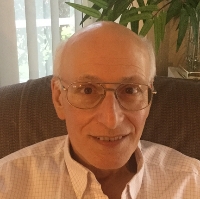
Lorinda Wente
LCPC
Kansas - 30 yrs exp




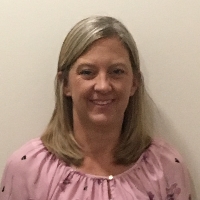
Catherine Lorino
LSCSW, LCSW
Kansas - 30 yrs exp













How CBT Addresses Anger: The Basics
If anger is a recurring problem in your life, cognitive behavioral therapy offers a structured way to understand and change the thoughts and actions that keep it active. CBT works from the idea that feelings and behaviors are strongly influenced by patterns of thinking. In practice you will learn to identify the triggers and beliefs that escalate irritation into anger, and to test and shift those thoughts with practical exercises. At the same time you will use behavioral techniques to change how you respond in the moment - slowing down reactions, practicing grounding skills, and rehearsing alternative responses so that anger becomes easier to manage.
Because CBT focuses on both cognition and behavior, it helps you develop strategies you can use outside of sessions. Homework, role-plays, and real-world practice are core parts of the approach. Over time the goal is to replace immediate, intense reactions with more flexible responses that align with your values and priorities.
How CBT Works for Different Anger Patterns
Anger shows up in many forms - sudden outbursts, simmering resentment, or chronic irritation. CBT therapists help you map the specific pattern that applies to you. For explosive episodes the emphasis may be on rapid intervention strategies - breathing, grounding, and brief cognitive shifts to prevent escalation. For chronic frustration the work often targets underlying beliefs about fairness, control, and expectations that sustain ongoing anger. You might also explore how past experiences shape current reactions, and practice behavioral experiments to test new ways of interacting.
Throughout this work a therapist will help you notice early warning signs and build a personalized toolkit. The combination of cognitive restructuring and behavioral rehearsal makes it easier to intervene before anger becomes overwhelming, and to repair relationships afterwards when conflicts arise.
Finding CBT-Trained Help for Anger in Kansas
When searching for a therapist in Kansas, looking specifically for CBT training will make a meaningful difference in the style and structure of treatment. Many clinicians list CBT on their profiles, and you can look for additional training indicators such as certification in cognitive behavioral methods, coursework focused on CBT, or experience in anger-specific programs. Contacting clinics in major centers like Wichita, Overland Park, Kansas City, and Topeka can be a practical starting point, since larger cities often have several practitioners with specialized training.
Initial inquiries can be brief. Ask whether the clinician uses CBT for anger, how they structure sessions, and what kind of homework or practice they typically assign. A clear answer about the approach and examples of strategies they use will help you determine compatibility. You may also ask about session length, frequency, and whether they offer flexible scheduling or evening appointments to fit your life.
What to Expect from Online CBT Sessions for Anger
Online CBT has become a common option across Kansas, offering convenience for people who live outside city centers or who need flexible timing. In virtual sessions you will still work through the same core CBT tasks - identifying thought patterns, learning coping strategies, and rehearsing behavioral changes. Therapists typically use screen sharing to review worksheets, guided exercises, and video demonstrations, and they may assign digital or printed homework for practice between sessions.
Online sessions require a quiet environment where you can focus and practice techniques without interruption. Your therapist will often start with a thorough assessment to understand triggers and goals, then move into targeted skill-building. You should expect active collaboration - sessions are task-oriented rather than purely reflective. Many clients find that practicing skills in real life between sessions accelerates progress, and online work makes it easier to check in about moments that happen in daily routines.
Evidence and Outcomes for CBT and Anger
Research on CBT indicates that learning to change thought patterns and behaviors can reduce the intensity and frequency of angry responses. Studies have shown improvements in self-control, problem solving, and relationship functioning when people apply CBT strategies consistently. While outcomes vary by individual and context, the structured nature of CBT gives you concrete skills to monitor change over time.
In community settings across Kansas, clinicians often adapt evidence-based CBT techniques to local needs - for example by focusing on family dynamics in small towns or on workplace triggers in urban centers like Wichita and Overland Park. The adaptability of CBT means therapists can tailor sessions to the kinds of stressors you face in your community, whether those are family pressures, commuter stress, or workplace conflict.
Choosing the Right CBT Therapist for Anger in Kansas
Choosing a therapist is as much about fit as it is about training. When evaluating options, consider practical factors like location or online availability, scheduling, and whether the therapist has experience working with anger in adults, teens, or within couples or families if that applies to you. You should also pay attention to how the therapist explains CBT - a clear, collaborative explanation is a positive sign. Trust your sense of whether the therapist listens and balances challenge with support.
It is reasonable to ask therapists about typical session goals and how progress is measured. A CBT clinician will often use concrete milestones and may track changes in frequency of angry episodes or in skill use. Asking for examples of techniques and what a typical first few sessions look like can give you a sense of pace and focus. If language, cultural background, or scheduling are important, check whether the clinician in Wichita, Kansas City, Overland Park, or Topeka can accommodate those needs.
Practical Steps to Get Started
Begin by browsing profiles on this page and noting a few therapists whose training and descriptions match your priorities. Reach out for a brief consultation to ask about CBT experience with anger and to see how they describe the work. Many therapists offer an initial call that helps you both determine whether to schedule a full session. When starting, commit to the homework and practice your therapist assigns - that practice is where the skills become part of everyday life.
Remember that change often takes time and repetition. Early sessions are typically focused on assessment and skill introduction, while later work deepens those skills and applies them to real situations you face. If you travel through different parts of Kansas or need flexible timing, consider online options that allow consistent contact even when schedules shift.
Living with Anger: A Long-Term View
Using CBT for anger is not about eliminating emotion but about developing greater choice in how you respond. Over weeks and months you can expect to notice smaller reactions earlier, to use coping strategies more automatically, and to experience improved interactions in relationships and at work. Whether you live in Wichita neighborhoods, commute through Overland Park, or balance life in Kansas City or Topeka, CBT gives you a practical pathway to change - one skill at a time.
If you are ready to explore CBT for anger, the listings below present therapists across Kansas who specialize in this approach. Reviewing profiles, asking a few focused questions, and beginning with a short series of sessions will help you determine what works best for you and your life.