Find a CBT Therapist for Social Anxiety and Phobia in Iowa
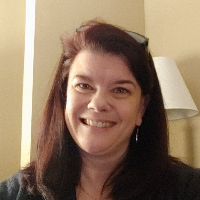
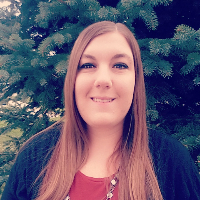
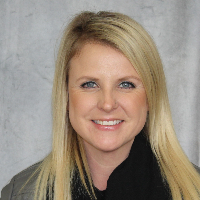
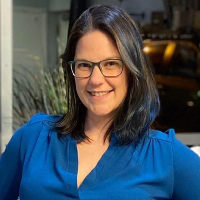
This page lists CBT therapists across Iowa who specialize in social anxiety and phobia. Each profile highlights training in cognitive behavioral therapy, treatment focus, and practice locations in Des Moines, Cedar Rapids, Davenport, Iowa City, and nearby communities. Browse the listings below to find a clinician trained in CBT approaches.











How cognitive behavioral therapy treats social anxiety and phobia
Cognitive behavioral therapy, or CBT, approaches social anxiety by addressing the thoughts and behaviors that maintain fear in social situations. The method is built on a simple idea - patterns of thinking shape emotional reactions and behavior, and behavior in turn reinforces those thinking patterns. In therapy you will work with a clinician to identify automatic negative thoughts, test out assumptions about how others will react, and gradually change the ways you respond when anxiety appears.
Cognitive mechanisms
On the cognitive side, CBT helps you notice the mental shortcuts that amplify worry. You might assume that everyone is judging you harshly or predict that a single small mistake will lead to social rejection. A therapist will guide you through structured exercises to examine the evidence for and against those predictions, develop more balanced ways of interpreting social cues, and practice self-statements that reduce anticipatory anxiety. Over time, changing these interpretations tends to reduce the intensity and duration of anxious reactions.
Behavioral mechanisms
Behavioral techniques are central to treating social phobia. Exposure-based methods involve facing feared situations in a gradual, planned way so that avoidance no longer reinforces fear. Early sessions often focus on developing a hierarchy of feared social situations and then practicing exposures that start small and become more challenging. These exercises teach you that anxiety decreases with repeated, supported contact with feared situations and that the feared outcomes you expect are less likely or less devastating than you imagined. Therapists also target safety behaviors - actions you use to try to reduce anxiety but that actually keep the fear alive - and help you experiment with reducing those habits so you can learn new, more adaptive responses.
Finding CBT-trained help for social anxiety and phobia in Iowa
When you begin searching for a CBT clinician in Iowa, consider both formal training and hands-on experience with social anxiety. Many therapists list cognitive behavioral therapy, exposure therapy, or social anxiety on their profiles. You can look for clinicians who have completed additional CBT workshops or certification programs, and those who describe using exposure-based treatment and cognitive restructuring as part of their approach. Local resources often include private practices in Des Moines and Cedar Rapids, university-affiliated clinics in Iowa City, and community mental health centers in Davenport and other towns. If you prefer in-person work, check practice locations and driving times; if you need more flexible scheduling, ask whether the clinician offers evening hours or telehealth visits.
It is appropriate to contact a few therapists and ask practical questions before booking. Ask how much of their work focuses on social anxiety, whether they use structured CBT protocols, how they measure progress, and what homework or between-session practices they typically assign. Inquiring about session length, fees, and whether they accept your insurance can also save time. These early conversations help you determine whether a therapist’s approach matches what you expect from CBT and whether scheduling and logistics fit your life.
What to expect from online CBT sessions for social anxiety and phobia
Online CBT sessions often mirror in-person work in structure and content. Sessions typically last 45 to 60 minutes and include a check-in, review of homework, introduction of new skills, and planning for exposures or experiments you will try between sessions. Your therapist may use screen-sharing to walk through thought records, worksheets, or exposure plans. Online therapy can make it easier to include real-world practice because you can arrange exposures in your own community between sessions and report back on what happened.
Therapeutic exposures can also be adapted for remote delivery. You might role-play a conversation with the clinician over video, practice phone calls, or plan in-person exposures to be completed between sessions with clear safety guidelines and monitoring. Homework is a key part of online CBT - consistent practice outside of sessions is what consolidates new learning. If you have concerns about technology, most clinicians can walk you through basic platform checks in a brief pre-session so that time during therapy is focused on treatment work.
Evidence supporting CBT for social anxiety and phobia
CBT has a long history as an effective treatment for social anxiety and phobia, and guidelines from mental health organizations often recommend CBT-based approaches as first-line options. Research shows that interventions focused on cognitive restructuring and exposure lead to meaningful reductions in avoidance and improvements in social functioning for many people. These effects are typically observed across different settings, including community clinics and university treatment centers, and evidence suggests benefits can be sustained when skills are practiced over time.
In Iowa, clinicians working in university psychology clinics, community mental health centers, and private practices apply these evidence-based methods. Whether you are seeking treatment in a city setting like Des Moines or a smaller community, the core elements of CBT - identifying unhelpful thinking patterns, conducting behavioral experiments, and practicing exposures - form the backbone of effective care. Many therapists also draw on complementary techniques such as social skills coaching and mindfulness to help you build confidence in social situations.
Tips for choosing the right CBT therapist for social anxiety and phobia in Iowa
Choosing a therapist is a personal decision and fit matters as much as formal training. When you speak with prospective clinicians, notice how they explain their approach and whether they provide clear examples of how CBT will be applied to social anxiety. Ask about experience treating clients with similar challenges and request a brief description of what a typical course of treatment looks like. It is reasonable to inquire about how progress is tracked and what kind of homework you will be asked to do between sessions.
Practical considerations also influence choice. Consider location and commute times if you plan to attend in person, and check for availability in cities such as Des Moines, Cedar Rapids, and Davenport if proximity matters. If cost is a concern, ask about insurance, sliding scale options, or whether the clinician offers reduced-fee services through a training clinic. Pay attention to whether the therapist’s schedule aligns with your work or school commitments and whether they offer evening or weekend appointments when needed.
Finally, trust your instincts after the first few sessions. You should feel respected and heard, and you should understand the goals and homework being set. Effective CBT is collaborative - you and the therapist will work together to set measurable goals and adjust the plan based on what is working. If the treatment feels mismatched, it is appropriate to discuss adjustments or seek another clinician whose style better fits your needs.
Getting started in Iowa
Beginning CBT for social anxiety and phobia often starts with a single outreach. A short phone or email conversation can clarify basic questions about approach, experience, and logistics. Many clinicians in Iowa who specialize in CBT will outline a clear treatment plan during the initial sessions and set short-term goals that are achievable. With consistent effort and structured practice, you can expect to develop new tools for managing anxiety and for engaging more comfortably in social situations.
Whether you are searching for a therapist in Des Moines, looking for evening telehealth options while living near Cedar Rapids, or preferring an academic clinic in Iowa City, taking the first step to connect with a CBT-trained clinician is a practical move toward change. The clinicians listed on this page focus on evidence-based CBT strategies for social anxiety and phobia, and browsing their profiles can help you find a good match for the type of care you want and the logistics that fit your life.