Find a CBT Therapist for Compulsion in Illinois
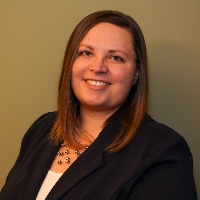
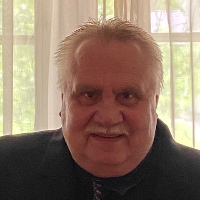
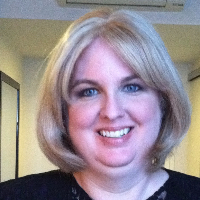
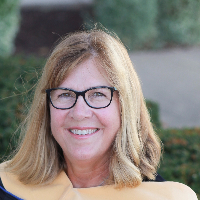
This page connects you with CBT clinicians in Illinois who specialize in treating compulsion. Each profile emphasizes training, treatment style and availability for CBT-based care. Browse the listings below to compare therapists and find a good match.




















How cognitive behavioral therapy treats compulsion
Cognitive behavioral therapy, or CBT, approaches compulsion by addressing the thoughts and behaviors that keep repetitive actions in place. Compulsive behaviors often serve a short-term purpose, such as reducing anxiety or preventing an imagined outcome, which can unintentionally strengthen the behavior over time. CBT helps you recognize the thinking patterns that trigger urges and then practices alternative responses that reduce the need to perform the compulsion.
Cognitive mechanisms
In CBT you will explore the beliefs and expectations that underlie compulsive urges. Many people discover that certain predictions - about danger, responsibility, or the consequences of not acting - create powerful distress that prompts the compulsion. Through guided questioning and behavioral experiments, you learn to test those beliefs in real-life situations. Over time, shifting those predictions and noticing the actual outcomes weakens the chain that links anxious thoughts to compulsive behavior.
Behavioral techniques and exposure methods
Behavioral work is central to treating compulsion. Therapists trained in CBT use structured exercises to help you face triggers without performing the usual ritual or action. One common method is gradual, planned exposure to triggers while resisting the compulsion. That practice allows your nervous system to recalibrate and for new learning to occur - namely, that discomfort can subside without the compulsion and that feared outcomes are often less likely than expected. A therapist will tailor the pacing so you feel challenged but not overwhelmed, and will integrate practical skills to manage distress during exposures.
Finding CBT-trained help for compulsion in Illinois
If you are searching for a clinician in Illinois, knowing what to look for will help you find someone with the right expertise. Many licensed psychologists, social workers and marriage and family therapists receive specialized training in CBT and related techniques for compulsive behavior. Look for clinicians who list CBT or exposure-based methods in their profiles and who describe experience working with compulsive symptoms. Some therapists highlight additional training or certification in specific CBT protocols, which can indicate focused experience.
Licensing, training and experience
Licensing ensures a baseline of professional standards, but training and clinical focus make a difference for compulsion. When reviewing profiles, consider how much of a therapist's caseload involves compulsion or related concerns. Ask whether they use structured treatment plans, how they measure progress, and whether they include collaborative homework. Therapists who work in university clinics, outpatient centers or community mental health settings often gain experience with a wide range of presentations, while private practice clinicians may offer more flexible scheduling options.
Where to look across Illinois
You can start your search in larger population centers where clinician options are broader. In Chicago you will often find university-affiliated programs and clinicians with extensive CBT training. Suburban areas such as Aurora and Naperville commonly have practitioners who provide both in-person and remote sessions to accommodate commuters. In Springfield and Rockford there are clinicians serving regional needs who may offer evening appointments or sliding scale arrangements. Use the directory filters to narrow by approach, availability and whether clinicians offer telehealth.
What to expect from online CBT sessions for compulsion
Online CBT sessions follow many of the same principles as in-person work but with adjustments for the virtual format. Sessions typically last 45 to 60 minutes and include a review of the week, collaborative agenda setting, focused therapeutic exercises and planning for between-session practice. You will often receive worksheets, guided exercises and step-by-step exposure plans to complete between appointments. The remote format makes it easier to fit treatment into a busy schedule and allows you to practice exposures in the environments where compulsions most often occur.
Structure, practice and homework
Homework is a central component of CBT. Expect to spend time outside of sessions practicing exposures and logging your thoughts, urges and outcomes. Your therapist will help you set realistic goals and may coach you through exposures during video sessions. Consistent practice is what turns therapeutic insight into lasting behavior change, so discuss expectations for homework early on so you can plan accordingly.
When telehealth is a good option
Telehealth is especially helpful if local options are limited, if you need a flexible schedule, or if you prefer to work from your own home. Many Illinois clinicians offer hybrid models, combining in-person visits for assessment or intensive sessions and online appointments for ongoing work. Ensure your online session space is comfortable and free from distractions so you can focus on exposures and skill practice when needed.
Evidence supporting CBT for compulsion
Research across clinical settings has demonstrated the effectiveness of CBT approaches for reducing compulsive behavior and the distress that often accompanies it. Controlled trials and clinical practice guidelines commonly point to exposure-based CBT as a leading approach for compulsive symptoms. In Illinois, academic programs and community clinics contribute to ongoing training and outcome tracking, and many clinicians integrate empirically supported methods into routine care. While outcomes vary by individual, consistent, structured CBT work is associated with measurable improvements in urge frequency and control for many people.
Tips for choosing the right CBT therapist in Illinois
Choosing a therapist is as much about fit as it is about credentials. Start by reading profiles to see how clinicians describe their approach to compulsion and whether they emphasize structured CBT techniques and exposure work. Schedule an initial consultation when possible to ask direct questions about their experience, typical session structure and how they measure progress. During that conversation notice whether you feel heard and whether the therapist explains their methods in a clear, collaborative way.
Practical questions to ask
Ask about session length and frequency, whether they offer telehealth, and how long a typical course of CBT might be for compulsion. Inquire about fees, insurance acceptance and whether they provide sliding scale options. Also ask how they handle homework and what support you can expect between sessions. If cultural background, language or specific life circumstances matter to you, bring those up to ensure a good match.
Logistics and local considerations
Think about location and commute when choosing an in-person clinician, especially if you plan to attend regular appointments. If you live near Chicago you may have access to a wider array of specialty programs, while suburban centers like Aurora and Naperville can offer more convenient scheduling. Springfield and Rockford provide regional options that may be easier to reach. Consider hours, parking or public transportation access if you will travel for sessions, and confirm the clinician's policies for cancellations and rescheduling.
Making the most of CBT for compulsion
CBT is an active, collaborative process that asks you to engage both inside and outside of sessions. To get the most out of treatment, be open about your goals and concerns, set realistic expectations for progress, and keep a record of urges and exposures so you and your therapist can track change. If a particular approach does not feel like a good fit, it is reasonable to discuss adjustments or consider a different CBT-trained clinician until you find the right partnership.
Finding specialized CBT care in Illinois involves balancing clinical expertise, personal fit and practical logistics. Use the directory to compare clinicians by approach, location and availability, and reach out to schedule an initial consultation. With a collaborative plan and consistent practice, you can work with a CBT therapist to reduce the hold compulsion has on day-to-day life and build more flexible ways of responding to difficult urges.