Find a CBT Therapist for Sexual Trauma in Georgia
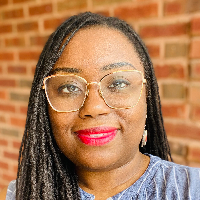
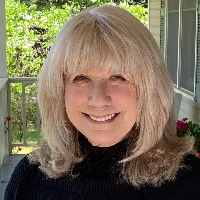
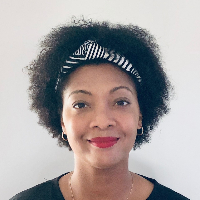
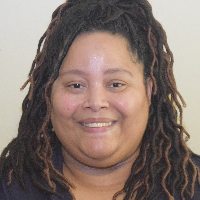
Explore Georgia-based therapists who specialize in sexual trauma and use cognitive behavioral therapy (CBT) as their core approach. Browse clinician profiles below to find CBT-focused care in Atlanta, Savannah, Augusta and other communities across the state.




















How CBT Approaches Sexual Trauma
Cognitive behavioral therapy is built on the idea that the thoughts you hold about an event shape how you feel and behave in response to it. When someone experiences sexual trauma, patterns of thinking and behavior can form that keep distress active long after the event. CBT targets those patterns by helping you examine unhelpful beliefs, practice alternative ways of responding, and gradually face avoided memories or situations in a supported way. The approach is structured and goal-oriented, with an emphasis on measurable change over time.
In practice, CBT for sexual trauma blends cognitive work with behavioral techniques. Cognitive restructuring helps you identify thoughts that amplify shame, self-blame, or danger-related thinking, and replace them with more realistic appraisals. Behavioral techniques reduce avoidance and increase coping through graded exposure, behavioral experiments, and activity planning. Skills training for emotion regulation, grounding, and distress tolerance often accompanies these strategies so you have tools to manage intense feelings as you process painful experiences.
How Cognitive and Behavioral Mechanisms Help
The cognitive part of CBT focuses on meaning. After sexual trauma, it is common to develop beliefs that life is unsafe, that the self is damaged, or that responsibility lies with the survivor. By testing those beliefs in therapy and exploring alternative explanations, you can shift interpretations that maintain fear and withdrawal. The behavioral side addresses what you do day to day - avoidance, hypervigilance, or safety-seeking behaviors that can unintentionally reinforce anxiety. Through planned exposures and behavioral experiments you learn that feared memories, places, or interactions can be tolerated and that avoidance is not the only option.
Therapists also integrate practical skill-building so you can manage symptoms while you engage with difficult material. Learning breathing techniques, grounding exercises, and activity scheduling reduces the intensity of distress and increases your capacity to engage in emotionally challenging work. Over time, this combination of cognitive change, behavioral practice, and skills training often leads to more adaptive coping and improved daily functioning.
Finding CBT-Trained Help for Sexual Trauma in Georgia
When you search for a therapist in Georgia, look for clinicians who list CBT and trauma-focused treatments in their profiles. Many therapists will describe specific training in trauma-related CBT methods, coursework, or supervised experience with survivors of sexual trauma. Licensure titles such as LCSW, LPC, LMFT, PhD, or PsyD indicate professional standing, and you can also ask about post-graduate training in trauma-focused therapies. In larger metro areas like Atlanta there is often a broad selection of clinicians, while cities such as Savannah, Augusta, Columbus, and Athens may offer both community clinics and private practices with specialized experience.
Beyond credentials, consider the therapist's approach to trauma work. Ask whether they use a phased model - establishing safety and stabilization first, then processing trauma memories, and finally focusing on integration and future planning. Some therapists combine CBT techniques with other therapeutic elements to better match your needs. You have the right to ask about experience with sexual trauma specifically, how they handle disclosures, and what you can expect in early sessions.
What to Expect from Online CBT Sessions for Sexual Trauma
Online CBT sessions often follow the same structure as in-person care, with an intake assessment, collaborative goal setting, and skill-based homework. The virtual format makes it easier to access therapists across Georgia - you might find options in Atlanta or elsewhere that were not available locally. Expect the first few sessions to focus on establishing a working relationship, assessing current concerns, and developing a plan that balances stabilization with gradual processing.
Technology typically involves a video platform and occasional secure document exchange for worksheets or psychoeducational materials. You will work with your therapist to create a safe personal setting for sessions - a place where you feel comfortable speaking and can limit interruptions. Homework is a key component of CBT, so be prepared to practice new skills between sessions and to reflect on how those practices affect your daily life. If you are considering online sessions, ask about session length, cancellation policies, and how follow-up or crisis support is handled.
Evidence Supporting CBT for Sexual Trauma
Clinical research has consistently found that CBT-based interventions can be helpful for many people who have experienced trauma, including sexual trauma. Studies across diverse settings have shown that cognitive and exposure-based techniques, when delivered thoughtfully by trained clinicians, can reduce trauma-related distress and improve functioning. In Georgia, therapists often adapt these methods to fit local cultural contexts and community resources, which can make treatment feel more relevant and accessible.
Evidence also supports the use of structured, manualized CBT approaches in community clinics and private practice. That said, no single approach is a universal fit. Effective treatment depends on the fit between you and the therapist, the therapist's training in trauma-specific methods, and the way the approach is tailored to your circumstances. Asking about outcome measures, how progress is tracked, and examples of typical course of treatment can help you evaluate whether a clinician's approach aligns with your goals.
Practical Tips for Choosing the Right CBT Therapist in Georgia
Start by identifying clinicians who explicitly list CBT and trauma experience in their profiles. Once you have a short list, reach out to ask concrete questions about their training and approach. You might ask how they integrate cognitive restructuring with exposure work, how they tailor treatment for survivors of sexual trauma, and what supports they offer for crisis moments. Pay attention to how they describe the pace of therapy - some therapists emphasize gradual stabilization while others are more direct about processing memories early on.
Consider logistical factors that affect whether you will stick with treatment. Availability for scheduling, insurance and payment options, sliding-scale arrangements, and whether they offer in-person sessions in cities like Atlanta, Savannah, or Augusta are important. Also consider cultural competence and comfort - you deserve a therapist who understands your background, identity, and the specific barriers you may face in seeking care.
Trust your sense of fit. The first few sessions are an opportunity to evaluate how the therapist listens, whether they explain techniques in a clear way, and how they handle sensitive topics. If you do not feel understood or comfortable, it is reasonable to try a different clinician. Good therapy is collaborative, and finding the right CBT therapist can make a meaningful difference in your healing process.
Next Steps
Begin by browsing the clinician profiles in this directory to find therapists who emphasize CBT and trauma treatment. Reach out to ask about experience with sexual trauma, how sessions are structured, and what to expect from the first few appointments. Whether you prefer in-person care in a nearby city or online sessions that expand your options across Georgia, there are clinicians ready to work with you on a plan that respects your pace and priorities. Taking that first step to connect with a CBT-trained therapist can help you build practical skills, reframe unhelpful beliefs, and regain a sense of control over your daily life.