Find a CBT Therapist for Isolation / Loneliness in Florida
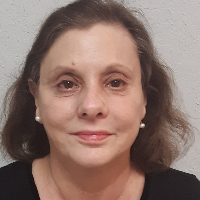
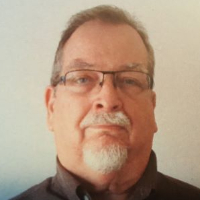
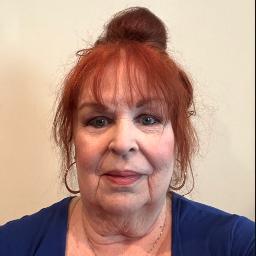
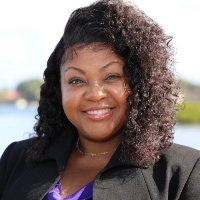
This page lists licensed CBT clinicians in Florida who specialize in treating isolation and loneliness. You will find profiles that describe each therapist's approach, experience and availability for in-person or online care.
Use the listings below to compare CBT-focused providers in your area and to begin reaching out for an initial consultation.












How CBT specifically addresses isolation and loneliness
Cognitive behavioral therapy, or CBT, treats isolation and loneliness by targeting the thoughts and behaviors that keep you feeling disconnected. Many people who experience loneliness develop patterns of thinking that make social contact seem unsafe, unappealing or unrewarding. CBT helps you identify those thoughts and test them against real-world evidence. As you examine and gently challenge unhelpful beliefs about yourself and others, you can begin to notice alternative interpretations that open the door to connection.
On the behavioral side, CBT encourages gradual approach behaviors rather than avoidance. That can mean small, achievable experiments that build social confidence - sending a message to a neighbor, joining a short class, or scheduling a low-pressure meet-up. Each successful experience provides new evidence that weakens the cycle of withdrawal. Over time you replace habits that maintain isolation with skills that increase social access and emotional resilience.
The cognitive mechanisms
CBT work often focuses on cognitive distortions that amplify loneliness, such as all-or-nothing thinking, mind reading, and discounting the positive. Your therapist will guide you in noticing these patterns in real time and using practical tools like thought records to test their accuracy. This process reduces the automatic negative interpretations that steer you away from social opportunities.
The behavioral mechanisms
Behavioral techniques in CBT aim to restore balance between effort and reward in social life. Activity scheduling, behavioral experiments, and role-play are common methods. These exercises help you re-engage with activities that used to bring satisfaction and to develop new social skills. As your behavioral repertoire expands, you often find that your emotional experience of loneliness changes as well.
Finding CBT-trained help for isolation and loneliness in Florida
When you search for CBT-trained therapists in Florida, look for clinicians who explicitly list CBT as their primary orientation and who describe experience working with loneliness, social anxiety, or related concerns. Many therapists will note additional training in cognitive therapy, exposure techniques, or interpersonal skills training. Licensing credentials such as LMFT, LCSW, LPC, PhD or PsyD indicate professional training and oversight. You can also look for therapists who list continuing education or certification in CBT-specific models.
Florida offers a mix of in-person and telehealth options. If you prefer face-to-face work, consider searching within your city or county for convenient commute times. Urban centers like Miami, Orlando and Tampa tend to have broader networks of CBT specialists, including clinicians who offer culturally responsive care or services in Spanish. Smaller communities and suburban areas often have clinicians who provide telehealth sessions to make care accessible across the state.
What to expect from online CBT sessions for isolation and loneliness
Online CBT sessions frequently follow the same structure as in-person work. You can expect an initial assessment where the therapist asks about your background, patterns of isolation, and your goals for therapy. Together you will develop a treatment plan that outlines the skills and behavioral goals you will work on. Sessions typically include collaborative problem solving, cognitive restructuring exercises, and specific behavioral assignments to practice between meetings.
Therapists often assign homework because practicing skills in real life is central to progress. That practice might include completing thought logs, testing out small social experiments, or attending a meetup and reflecting on the experience. Online delivery can make these assignments easier to integrate into your routine, since you can work from home or another comfortable environment and immediately apply what you learned.
Be mindful that technology can shape the experience. Make sure you have a quiet, uninterrupted place to participate and check that the platform used for video works well on your device. If you have concerns about confidentiality or documentation, ask a prospective therapist about their policies and how they protect your information.
Evidence supporting CBT for isolation and loneliness
A body of research indicates that CBT-based methods reduce the distress and behaviors associated with loneliness by changing maladaptive thinking and increasing social engagement. Studies across different age groups and settings have shown that structured cognitive and behavioral interventions can help people build social skills, reframe negative self-beliefs, and establish sustainable routines that support connection. Researchers have adapted CBT protocols specifically to target loneliness, and clinicians in Florida often draw on these evidence-based strategies when designing treatment.
Local practitioners sometimes collaborate with community organizations, university programs, and primary care providers to reach people who are isolated. In larger metro areas such as Miami and Tampa, there are additional opportunities to participate in group formats or workshops that reinforce CBT skills in a social context. While individual experiences vary, CBT offers a practical framework that focuses on skill development and measurable change.
Tips for choosing the right CBT therapist in Florida
Start by clarifying your priorities. Decide whether you prefer in-person sessions, evening availability, bilingual services or a therapist with experience working with specific populations such as older adults, college students, or caregivers. Read therapist profiles to see how they describe their CBT approach and ask about concrete methods they use to address loneliness. A good-fit therapist will explain how they translate CBT techniques into real-life practice and will be able to share examples of typical homework and goals.
Ask about the length and frequency of treatment. Some people benefit from a short-term, focused CBT plan while others prefer longer-term work that combines CBT with other modalities. Cost and insurance coverage are practical factors to discuss up front. If you are in Miami or Fort Lauderdale and need Spanish-language support, look for clinicians who list bilingual services. If you live near Orlando or Tampa and prefer group-based options, ask whether group CBT for social skills or loneliness is available.
Trust your sense of fit. The therapeutic alliance - the working relationship you build with your therapist - is a strong predictor of progress. During an initial consultation, notice whether the clinician listens, explains CBT techniques clearly, and collaborates on goals. It is appropriate to ask how they measure progress and how they handle setbacks if a particular strategy does not produce immediate improvement.
Getting started and next steps
Begin by using the directory listings above to filter for CBT orientation and location. Reach out to a few therapists to compare their approaches and availability. You may find it helpful to ask for a brief phone or video consultation to get a sense of their style and whether their proposed plan aligns with your goals. Remember that finding the right fit can take time, and a short search can lead you to a clinician who offers practical tools that help you reconnect with others.
Whether you are in a large city or a smaller Florida community, CBT provides structured, actionable methods to address the thoughts and habits that maintain isolation and loneliness. With consistent practice and a therapist who tailors techniques to your life, you can expand your social options and build more satisfying connections. Use the profiles above to start that process and contact a clinician to set up an initial conversation about CBT for loneliness.