Find a CBT Therapist for Trauma and Abuse in Colorado
This directory highlights Colorado clinicians who use cognitive-behavioral therapy to treat trauma and abuse. Browse profiles from Denver to Boulder and beyond to find a CBT therapist who fits your needs.
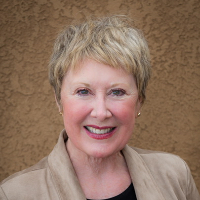
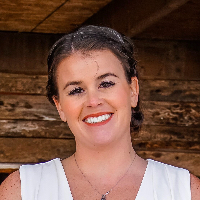


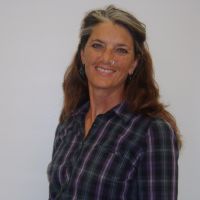
Barbara Mutagamba
LCSW, CSW
Colorado - 5 yrs exp
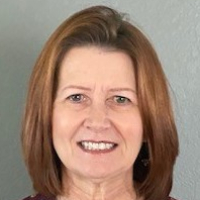
Debbie McCown-Perkins
LCSW, CSW
Colorado - 14 yrs exp













How CBT Approaches Trauma and Abuse
Cognitive-behavioral therapy focuses on the links between thoughts, feelings, and behaviors, and applies those principles to trauma and abuse-related concerns. When you work with a CBT therapist, the process often begins with careful assessment of how traumatic experiences have shaped your thinking patterns and coping habits. You and your therapist identify unhelpful beliefs that may have developed after trauma - beliefs about safety, blame, worth, or predictability - and you learn to test and revise those beliefs through structured experiments and reflections.
Alongside cognitive work, CBT builds practical behavioral strategies. Exposure-based methods help you gradually face memories, feelings, or situations you have been avoiding, in ways that reduce fear and broaden your capacity to tolerate distress. Skills training teaches techniques for regulating intense emotions, improving sleep, and managing intrusive memories. Behavioral activation restores routines and activities that support recovery. Together, cognitive restructuring and behavioral practice create new ways of responding to reminders of trauma and support long-term change.
Finding CBT-Trained Help for Trauma and Abuse in Colorado
Colorado offers a range of clinicians with CBT training, from urban centers to mountain communities. In Denver and Aurora, you will often find clinicians with specialized training in trauma-focused CBT, cognitive processing therapies, and exposure-based approaches. Colorado Springs and Fort Collins have practitioners who integrate CBT with other evidence-informed practices, while Boulder clinicians may emphasize mindfulness-informed CBT techniques. If you live in a smaller town, you can still access CBT-trained therapists through statewide directories and remote care.
When searching for a clinician, look for explicit mention of trauma-focused CBT approaches in profiles, continuing education in trauma treatment, or experience with abuse-related work. Many therapists list training in cognitive processing therapy, prolonged exposure, or trauma-focused cognitive-behavioral therapy. These indicators suggest that a clinician understands both the cognitive patterns and behavioral strategies commonly associated with trauma recovery.
What to Expect from Online CBT Sessions for Trauma and Abuse
Online CBT sessions are a practical option for many people in Colorado, whether you live in a city like Denver or in a mountain community. Sessions typically begin with assessment and goal-setting, where you and the therapist map out what you want to address and how progress will be measured. Early sessions focus on stabilization skills - ways to manage intense emotions and stay grounded between sessions - and on building a collaborative treatment plan.
CBT via video or phone uses the same core techniques as in-person work. You can expect structured homework assignments, worksheets to track thoughts and reactions, and guided exposure exercises when you are ready. Your therapist will work with you to pace the work so that exposure and memory processing occur safely and gradually. Many clinicians also use recorded materials or brief skills practice between sessions to reinforce learning. Online sessions expand options for scheduling and clinician choice, but it helps to find a therapist who communicates clearly about session structure, privacy practices, and emergency planning before you begin.
Evidence Supporting CBT for Trauma and Abuse
Across research studies and clinical guidelines, cognitive-behavioral approaches have a well-established role in treating trauma-related distress. The principles of addressing unhelpful beliefs and providing graded exposures have been shown to help many people reduce the intensity of trauma-related symptoms and regain functioning in daily life. In Colorado, clinicians often draw on this evidence base while adapting work to the individual's background, cultural context, and current life demands.
Evidence does not mean every person’s experience will change in the same way or at the same pace. CBT is best understood as a set of evidence-informed tools that clinicians tailor to your situation. You should expect to discuss treatment goals, timelines, and measures of progress so you can make informed choices about your care. In many cases, collaboration between you and your therapist results in a clear plan that balances symptom reduction with rebuilding routines and relationships.
Tips for Choosing the Right CBT Therapist in Colorado
Choosing a therapist is a personal decision. Start by clarifying what matters most to you - whether that is therapist experience with abuse, a particular training in trauma-focused CBT methods, cultural or identity alignment, or logistical concerns like session times and fees. Look for profiles that explicitly mention CBT training and trauma work, and read about a clinician’s approach to assessment and treatment planning.
When you contact a therapist, ask how they typically structure trauma-focused CBT, what kind of skills they teach early in treatment, and how they monitor progress. It can be helpful to inquire about experience with outcomes and how they handle crises or high-distress moments during therapy. If you prefer in-person work, search in cities like Denver, Colorado Springs, or Aurora where there may be greater local availability. If you need more flexibility, many Colorado clinicians offer telehealth options that allow you to continue care while traveling or living in a rural area.
Consider practical factors such as insurance participation, sliding scale availability, and cancellation policies. These details affect how consistently you can attend sessions, and consistent attendance supports therapeutic progress. You may also want to ask whether a therapist consults with other professionals - such as medical providers or case managers - when that collaboration could support your recovery.
Building a Collaborative Relationship
Therapy works best when you and your clinician collaborate. A CBT therapist should invite your input on goals and adjust approaches if something feels unhelpful. Trust and fit matter. If after several sessions you do not feel heard or the approach does not align with your needs, it is reasonable to discuss adjustments or to seek another clinician whose style feels more compatible. Changing therapists is a common part of finding the right match and does not reflect failure.
Practical Considerations for Colorado Residents
Colorado’s geography and lifestyle influence how people access care. If you live in the Denver metropolitan area, you will have wide choices and easier access to specialists. In mountain towns near Boulder or Fort Collins, travel time and weather can affect in-person scheduling, making remote appointments a useful option. If you are transferring care across regions - for example, moving between Aurora and Colorado Springs - ask about transferring records or continuing the same treatment focus with a new clinician.
Finally, think about timing and readiness. Starting trauma-focused CBT often requires some preparation, so allow time to learn coping skills and build a treatment plan that fits your life. Small steps - scheduling an initial consultation, asking about a therapist’s approach, or trying a few sessions - can help you find a clinician and a path forward that feels practical and hopeful.
Next Steps
Use the listings above to read therapist profiles and contact clinicians who clearly describe CBT and trauma work. Brief initial conversations can help you assess fit, discuss logistics, and decide if a clinician’s approach matches your goals. Whether you are in a city like Denver or a more remote part of the state, you can find CBT-trained professionals who focus on trauma and abuse and who will work with you to create a personalized plan for recovery and resilience.