Find a CBT Therapist for Stress & Anxiety in Colorado
Explore Colorado therapists who specialize in treating stress and anxiety using cognitive behavioral therapy (CBT). Browse the listings below to compare clinicians in Denver, Colorado Springs, Aurora and other local communities and find a CBT approach that fits your needs.





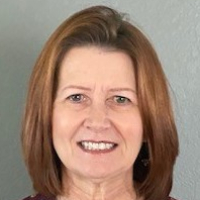
Barbara Mutagamba
LCSW, CSW
Colorado - 5 yrs exp
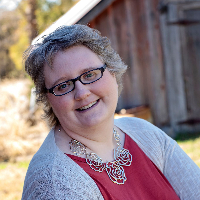
Debbie McCown-Perkins
LCSW, CSW
Colorado - 14 yrs exp

















How CBT treats stress and anxiety
When you begin CBT for stress and anxiety, the work centers on the relationship between thought patterns, emotional reactions, and the behaviors that follow. CBT assumes that recurring negative thoughts and unhelpful habits keep stress and anxiety active. By learning to recognize those thoughts and testing them in real-life situations, you gradually change how situations are interpreted and how you respond. That leads to reduced intensity of anxious reactions and fewer avoidance behaviors over time.
The approach uses both cognitive strategies and behavioral practice. Cognitive techniques help you identify automatic thoughts that amplify worry or tension, then reframe those thoughts in more balanced ways. Behavioral techniques give you targeted exercises - such as graded exposure to feared situations or scheduling pleasant, stress-relieving activities - so you can practice new responses and build confidence. Together these elements create a practical, skills-based path to managing symptoms and preventing relapse.
The cognitive side - noticing and reshaping thoughts
On the cognitive side, you learn to notice thinking patterns that contribute to stress - for example, predictions of catastrophe, overgeneralizing from one bad experience, or focusing exclusively on threat. Your therapist guides you in examining the evidence for and against those thoughts and in developing alternative interpretations that are more realistic. Over time you will often find that this habit of checking thoughts reduces automatic alarm and makes it easier to remain calm under pressure.
The behavioral side - building new habits
Behavioral work helps you confront situations that trigger anxiety in a gradual, manageable way. Rather than avoiding stressors, you plan small steps that allow you to test assumptions and gather new information. You also learn skills such as relaxation training, activity scheduling, and problem-solving that reduce physical tension and give you practical tools to use when stress ramps up. The combination of thinking differently and acting differently is what makes CBT effective for many people.
Finding CBT-trained help for stress and anxiety in Colorado
In Colorado you can find CBT-trained clinicians practicing in a variety of settings - private practices, outpatient clinics, university clinics, and community mental health centers. If you live in Denver, Colorado Springs, Aurora, Fort Collins, or Boulder you are likely to have more in-person options nearby. Many therapists include clear information in their profiles about CBT training, certification in cognitive-behavioral approaches, and areas of focus, so you can look for clinicians who explicitly list anxiety and stress management among their specialties.
Licensing and professional background matter when you evaluate a listing. Look for clinicians who describe specific CBT training, such as postgraduate coursework, supervised CBT experience, or use of structured CBT protocols for anxiety. You can also scan profiles for references to exposure-based work, cognitive restructuring, and behavioral activation. Those details show a therapist is oriented toward a skills-based model rather than an exclusively exploratory approach.
Considerations for rural and mountain communities
If you live outside the larger cities, access to therapists with formal CBT training can vary. Many Colorado clinicians offer flexible appointment formats and welcome clients from mountain towns and smaller communities. If travel is difficult, online sessions can expand your options while still allowing you to work with clinicians who are familiar with the specific stressors that come with life in Colorado - from seasonal changes to work-related pressures tied to the outdoor industry.
What to expect from online CBT sessions for stress and anxiety
Online CBT sessions follow much the same structure as in-person care, but with a few practical differences. Your therapist will typically start with an assessment of the problems you want to address and then work with you to set specific, measurable goals. Sessions often include teaching a cognitive skill, practicing a behavioral exercise, and assigning between-session tasks so you can apply what you learn in daily life. Video sessions allow therapists to observe your reactions and coach you through exposure exercises or breathing and relaxation techniques in real time.
You should expect a fairly structured course of work. Many CBT therapists use session agendas, homework assignments, and outcome tracking to monitor progress. If you choose online care, confirm that the clinician is licensed to practice in Colorado and that they describe how they manage scheduling across time zones or mountain time. Online work can be especially helpful if you live in Colorado Springs or a more remote area and want access to therapists who specialize in CBT for anxiety.
Evidence supporting CBT for stress and anxiety
Research over several decades has established CBT as a widely studied approach for anxiety-related problems. Studies typically report that CBT helps people reduce worry, panic symptoms, social anxiety, and stress-related difficulties by teaching practical skills and behavioral strategies. While individual outcomes vary, many people report improved coping, reduced avoidance, and greater confidence in handling triggers after a course of CBT. Clinicians in Colorado commonly integrate evidence-based CBT techniques into treatment plans, tailoring interventions to each person's needs and preferences.
When you review therapist profiles, you may see references to outcome measures, standardized treatment plans, or experience with specific anxiety presentations. Those indicators can give you more assurance that the clinician works in a way consistent with what research supports - a focus on measurable goals, active skill practice, and review of progress over time.
Tips for choosing the right CBT therapist in Colorado
Choosing a therapist is personal, and you should look for a fit that feels workable for you. First, read profiles to confirm that the clinician uses CBT and has experience with stress and anxiety. Next, consider logistics - whether you prefer in-person sessions in Denver, Colorado Springs, or Aurora, or whether online options better suit your schedule. Pay attention to how a therapist describes their approach to homework and exposure work, because those elements are central to CBT and may require time and effort between sessions.
It is reasonable to schedule a brief consultation to ask how the therapist structures CBT for anxiety, what typical goals look like, and how progress is measured. During that conversation notice whether the clinician explains interventions in clear terms and whether you feel comfortable asking questions about pacing and expectations. Comfort with your therapist's communication style and a shared understanding of the treatment plan often matters more than exact labels or credentials.
Practical considerations about cost and insurance
Cost and insurance vary across practices in Colorado. Some clinicians accept insurance plans while others offer private-pay rates or sliding scales. When you search listings, look for information about payment options and whether the clinician provides receipts you can submit to insurance. If you live in an area with fewer local options, remote sessions can widen your choices while keeping travel and scheduling manageable.
Finding relief from stress and anxiety is a step-by-step process. By focusing on therapists who emphasize CBT, reviewing their training and approach, and asking direct questions in an initial conversation, you increase the chances of finding a clinician who fits your needs. Whether you live in a city like Denver or Aurora or a smaller Colorado community, there are CBT-trained therapists who can help you develop practical skills to manage stress and move forward with greater confidence.