Find a CBT Therapist for Sexual Trauma in Colorado
On this page you'll find therapists in Colorado who specialize in treating sexual trauma using cognitive behavioral therapy (CBT). Listings include clinicians from Denver, Aurora, Colorado Springs and other Colorado communities. Browse the profiles below to compare approaches and reach out to a therapist that fits your needs.




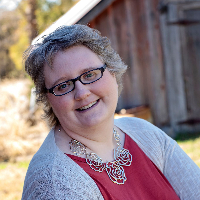
Brandi Garner
LPC
Colorado - 5 yrs exp

















How CBT Approaches Sexual Trauma
Cognitive behavioral therapy is a structured, skills-based approach that helps you understand how thoughts, feelings, and behaviors interact after traumatic experiences. When sexual trauma occurs, the mind often develops patterns of thinking that can increase anxiety, shame, avoidance, and hypervigilance. CBT focuses on identifying unhelpful or distorted thoughts and testing them against experience. By learning specific cognitive strategies and behavioral practices you can begin to shift those patterns and manage the reactions that interfere with daily life.
In practical terms, a CBT therapist works with you to map the beliefs and behaviors that keep distress active. Cognitive techniques involve noticing automatic thoughts, evaluating evidence for and against them, and developing more balanced perspectives. Behavioral techniques might include graded exposure to reminders or situations you have been avoiding, activity planning to rebuild a sense of agency and pleasure, and training in emotion regulation skills. Those techniques are adapted to trauma work so that exposure and other interventions are introduced at a pace you can tolerate and always with an emphasis on safety and choice.
How CBT Targets Both Cognition and Behavior
CBT treats the mental and behavioral aspects of trauma in tandem. Cognitively, it helps you reframe beliefs such as self-blame or overgeneralized danger appraisals. Behaviorally, it addresses avoidance and safety behaviors that provide short-term relief but maintain long-term distress. Together these changes reduce the intensity and frequency of distressing memories, intrusive thoughts, and avoidance-driven limitations on your life. A therapist trained in trauma-focused CBT typically blends these elements so that cognitive shifts support new behaviors and behavioral experiences provide evidence to reinforce updated thoughts.
Finding CBT-Trained Help for Sexual Trauma in Colorado
When you start looking for someone in Colorado, focus on clinicians who describe trauma-focused CBT or cognitive behavioral approaches in their profiles. Many therapists list specialized training, certifications, or continuing education in trauma work. In cities like Denver and Aurora you may find clinicians with extensive experience treating sexual trauma, while Colorado Springs, Fort Collins, and Boulder also offer practitioners who combine CBT with trauma-informed care. Consider whether you prefer a therapist with experience serving particular populations - for example, survivors of childhood abuse, adult sexual assault, or trauma experienced in later life - and whether language, cultural competence, or experience with LGBTQ+ communities matters to you.
It is reasonable to ask about a therapist's specific experience with sexual trauma and the CBT techniques they use. During an initial consultation you can ask how they structure trauma-focused treatment, how they pace exposure work, and what kinds of stabilization skills they teach before moving into deeper processing. Many clinicians will offer an initial phone or video consultation so you can get a sense of fit before committing to regular sessions.
What to Expect from Online CBT Sessions for Sexual Trauma
Online CBT sessions are a common option across Colorado, and they can expand access if you live outside major centers or have scheduling constraints. In an online format you will still work on the same core CBT components: assessment, collaborative goal setting, cognitive restructuring, behavioral experiments, and skill-building. Therapists typically begin with stabilization - meaning they teach grounding, breathing, and distress management skills - before introducing exposure or trauma processing tasks. Sessions often include homework assignments to practice skills between meetings, and therapists may use worksheets or secure messaging to support that work.
When engaging in online therapy, make sure you have a private place to speak and a plan for pausing or ending a session if you become overwhelmed. Ask your therapist about their approach to safety planning, crisis support options in Colorado, and how they coordinate care if you are also seeing a medical provider. Online sessions can be especially useful if you live in more rural parts of the state or if you prefer to connect with a provider outside your immediate area, such as finding a specialist based in Denver while living in another city.
Evidence and Support for CBT in Treating Sexual Trauma
CBT and trauma-focused cognitive therapies have a strong evidence base for addressing the effects of traumatic experiences, including many studies that show improvements in trauma-related symptoms and functioning. Clinical guidelines and research commonly recommend CBT approaches as a front-line option for trauma-related distress because they offer structured, measurable ways to reduce avoidance and to change distressing thought patterns. Within Colorado, clinicians and training programs have increasingly incorporated trauma-focused CBT elements into their work, and you can find practitioners who use evidence-informed techniques combined with culturally responsive care.
It helps to ask potential therapists about the outcomes they track and the measures they use to evaluate progress. A clinician who monitors treatment response can tailor the pace and focus of therapy to your progress, which is particularly important in sexual trauma work where safety and consent guide the process. While research points to positive effects for many people, individual experiences vary, and you should expect a personalized plan rather than one-size-fits-all promises.
Choosing the Right CBT Therapist for Sexual Trauma in Colorado
Finding the right therapist is about more than credentials. Look for someone who communicates clearly about their trauma-focused CBT approach and who respects your boundaries and goals. Consider logistical factors such as whether they offer evening or weekend appointments, accept your insurance or offer a sliding scale, and provide in-person sessions in cities like Denver or Aurora if you prefer face-to-face care, or online sessions if that suits your schedule. Pay attention to how they describe work with diverse identities and whether they have experience relevant to your situation, whether that includes serving survivors of assault, addressing impacts of past abuse, or working with people who are navigating complex relationships.
During an intake or consultation, you might ask how they prepare clients for trauma-focused interventions, what stabilization skills are emphasized, how they handle setbacks, and what a typical course of CBT looks like for sexual trauma. Trust your instincts about rapport and safety - a good therapeutic relationship is one of the strongest predictors that treatment will feel tolerable and worthwhile. If a therapist is not a good fit, it is reasonable to seek someone else; many people try a couple of clinicians before they find the right match.
Practical Considerations and Next Steps
Start by narrowing your search to therapists who identify CBT and trauma-focused approaches. Use the listings to read clinician profiles, noting specialties, training, languages, and whether they offer telehealth. If you live in or near Denver, Colorado Springs, or Aurora you will likely have more local options, but online care opens up access across the state. Prepare a short list of questions for consultations and think about what matters most to you in therapy - whether that is experience with a specific population, cultural responsiveness, or scheduling flexibility. Contacting two or three clinicians for brief consultations gives you the chance to compare styles and approaches before beginning regular sessions.
Therapeutic work after sexual trauma can be challenging and gradual, but CBT gives you a concrete toolkit to change how trauma affects your daily life. By finding a clinician in Colorado whose approach and experience align with your needs, you increase the likelihood that therapy will help you make meaningful changes at a pace that feels right for you.