Find a CBT Therapist for Post-Traumatic Stress in Colorado
This page lists Colorado clinicians who use cognitive behavioral therapy to address post-traumatic stress. Explore provider profiles focused on trauma-informed CBT and review their approaches, locations, and availability. Browse the listings below to find a clinician who may fit your needs.



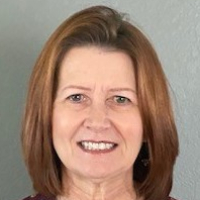
Debbie McCown-Perkins
LCSW, CSW
Colorado - 14 yrs exp

















How CBT Treats Post-Traumatic Stress
Cognitive behavioral therapy works by helping you identify and change patterns of thinking and behavior that maintain post-traumatic stress symptoms. In CBT for trauma, the focus is on the relationships between thoughts, feelings, and actions. You and your therapist will explore how trauma-related beliefs - such as persistent guilt, danger anticipation, or self-blame - influence daily reactions. Interventions target those thoughts with techniques like cognitive restructuring, where you learn to test and reframe unhelpful interpretations of traumatic events.
Behavioral strategies are used alongside cognitive work to reduce avoidance and build coping skills. Exposure-based methods, which may include imaginal exposure or gradual real-world practice, help reduce the intense fear and physiological arousal that can follow trauma. Skills training often incorporates grounding techniques, emotion regulation, and relaxation strategies so that you have tools to manage distress between sessions. Over time, repeated practice of these skills can change how memories are processed and reduce the frequency and intensity of trauma-related responses.
Finding CBT-Trained Help for Post-Traumatic Stress in Colorado
When you look for a CBT therapist in Colorado, consider licensure and specialized training. Many clinicians hold credentials such as Licensed Clinical Social Worker, Licensed Professional Counselor, psychologist, or marriage and family therapist. Beyond licensure, seek out therapists who list trauma-focused CBT training, certification in evidence-based trauma therapies, or substantial experience treating post-traumatic stress. Therapists who work with first responders, veterans, survivors of interpersonal violence, or accident trauma often have targeted expertise that can be relevant to your situation.
Geographic location matters for in-person care and for understanding local resources. Major cities like Denver, Colorado Springs, Aurora, Fort Collins, and Boulder host a range of clinicians with trauma-focused CBT backgrounds. If you prefer meeting in person, search by city or neighborhood to find convenient options. Many Colorado therapists also offer telehealth, which can expand choices if you live in more rural parts of the state. When evaluating profiles, look for clear descriptions of the CBT approaches offered, session formats, and the therapist’s experience with trauma populations.
What to Expect from Online CBT Sessions for Post-Traumatic Stress
Online CBT sessions follow a similar structure to in-person therapy, with adaptations for the virtual format. Sessions typically last 45 to 60 minutes and follow a collaborative agenda you and your therapist set together. Early sessions often focus on assessment, goal setting, and psychoeducation so you understand how CBT approaches post-traumatic stress. After that, the work moves into cognitive and behavioral interventions, with homework assignments and practice between sessions to reinforce new skills.
In a virtual setting, your therapist will guide you through grounding exercises and cognitive techniques while you are in your own environment. Exposure work can also be adapted to online care, with imagery-based exposures and in vivo assignments that you complete safely between appointments. It is important to discuss how to handle intense distress during and after sessions - a solid plan for support is a routine part of trauma-focused CBT. You should also confirm technical needs, such as a reliable internet connection and a quiet, comfortable environment where you can focus without interruptions.
Evidence Supporting CBT for Post-Traumatic Stress
A substantial body of research supports cognitive behavioral interventions for post-traumatic stress. Clinical studies show that trauma-focused CBT approaches help many people reduce symptoms and improve daily functioning. In practice across Colorado clinics and university programs, therapists who use CBT-based methods report positive outcomes when therapy is tailored to the person and delivered consistently. Local mental health centers and hospitals also integrate CBT-informed care into trauma services, reflecting its broad acceptance in clinical settings.
Evidence is strongest for structured, trauma-focused protocols that combine cognitive work with exposure or processing of traumatic memories. That said, therapy outcomes depend on factors such as treatment duration, the match between therapist and client, and engagement with recommended between-session activities. When you choose CBT, expect a structured plan with measurable goals and periodic reviews of progress to make sure the approach is helping you move toward your goals.
Tips for Choosing the Right CBT Therapist in Colorado
Choosing a therapist is a personal decision. Start by clarifying what you want from therapy - symptom reduction, improved sleep, less reactivity, or better relationships - and use those goals to guide conversations with potential providers. Ask about the therapist’s experience specifically with post-traumatic stress and which CBT approaches they use. Some therapists emphasize cognitive processing work, while others integrate prolonged exposure or elements of acceptance-based cognitive techniques. A clear explanation of how the therapist plans to work with trauma-related memories and triggers can help you evaluate fit.
Consider practical factors like session length, frequency, fees, and whether insurance is accepted. If you live in or near Denver, Colorado Springs, Aurora, Fort Collins, or Boulder, you may find a wide range of options and easier access to in-person care. If you prefer remote care, verify that the therapist offers telehealth across Colorado and that their availability aligns with your schedule. Cultural competence and an ability to work with your background - including considerations of identity, military experience, or community context - are also important. A good therapist will welcome questions about approach, confidentiality policies, and crisis planning, and will collaborate with you to develop a treatment plan that feels safe and achievable.
Preparing for Your First Sessions
Before you begin, reflect on your goals and any practical needs that might affect therapy, such as transportation, childcare, or work schedules. When you contact a clinician, ask about the initial assessment process and whether the first few sessions will focus on gathering history and establishing goals. Bring a list of questions about the therapist’s experience with trauma-focused CBT, typical session structure, and homework expectations. It can help to note recent stressors, sleep patterns, and coping strategies you already use. Clear communication about what you want from therapy will help the clinician tailor CBT techniques to your situation.
Starting therapy is a step toward gaining tools to manage post-traumatic stress responses. In Colorado communities from the Front Range to mountain towns, CBT-trained clinicians offer structured, skill-based approaches that many people find helpful. Use the listings on this page to compare providers, read about their approaches, and reach out to arrange a consultation. Finding the right match may take time, but a good therapeutic partnership can make a meaningful difference in how you navigate recovery and daily life.
Local Considerations and Resources
Colorado has a diverse care landscape, with urban resources concentrated in cities like Denver, Colorado Springs, and Aurora and different service patterns in smaller towns. If you are connected to a university, hospital, or community clinic, those settings sometimes offer CBT programs and training clinics where supervised clinicians provide care at reduced cost. You may also find peer-support groups and community organizations that can complement individual therapy. When you search the directory, consider proximity to emergency services and local supports in case you need additional resources between sessions.
Ultimately, CBT is a collaborative method that emphasizes skills, practice, and measurable progress. By asking informed questions, reviewing therapist profiles carefully, and prioritizing a strong working relationship, you can find a Colorado clinician who uses CBT to address post-traumatic stress in a way that fits your life and goals.