Find a CBT Therapist for Compulsion in Colorado
This page lists CBT clinicians across Colorado who focus on treating compulsion with evidence-based approaches. Review provider profiles below to learn about training, treatment focus, and availability, and browse listings to connect with clinicians across the state.

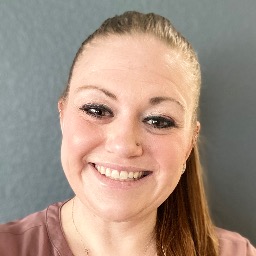
Nicole Kindt
LPC, LCPC
Colorado - 15 yrs exp












How CBT specifically treats compulsion
When compulsion becomes a pattern that interferes with daily life, cognitive behavioral therapy or CBT offers a structured way to understand and change the cycle. CBT approaches compulsion by helping you see how thoughts, feelings, and behaviors interact. You and your therapist will work to identify the triggers and the beliefs that maintain the urge to perform a behavior. By addressing both the thinking patterns and the actions that follow, CBT reduces the hold that compulsive rituals have on daily routines.
Cognitive techniques that help
Cognitive techniques focus on the ideas and interpretations that support compulsive behavior. In sessions you will learn to notice automatic thoughts and to test assumptions that make compulsive acts feel necessary. Your therapist may guide you through practices that challenge overestimation of threat, intolerance of uncertainty, or rigid rules that prompt a compulsion. Over time, those techniques help you build alternative, more flexible ways of interpreting situations so that the urge to act on a compulsion diminishes.
Behavioral techniques - exposure and response strategies
Behavioral work is central to treating compulsion with CBT. Exposure-based strategies involve facing feared situations or urges in a gradual, planned way while refraining from the usual compulsive response. This process helps the nervous system learn that the feared outcome is unlikely or manageable without the compulsive act. Alongside exposure, therapists teach coping skills such as mindfulness, distress tolerance, and problem-solving so that you have tools to manage anxiety without relying on the compulsion. Practice and repetition are key parts of this process, and homework assignments are commonly used to reinforce gains between sessions.
Finding CBT-trained help for compulsion in Colorado
Looking for a therapist who uses CBT means checking more than a license alone. Many clinicians in Colorado complete additional training in CBT methods, exposure techniques, and work specifically with compulsive behavior. When you search listings, look for descriptions that mention exposure and response work or cognitive restructuring. In cities such as Denver, Colorado Springs, and Aurora, you will find a range of clinicians offering in-person and remote appointments. Smaller communities like Fort Collins and Boulder also have practitioners who focus on evidence-based CBT, and some clinicians travel between neighboring towns to expand access.
Credentials and training to consider
When evaluating providers, consider training and experience as part of your decision. Licenses such as licensed professional counselor or licensed clinical social worker indicate clinical training. Postgraduate trainings, workshops, and supervision focused on CBT and exposure techniques are also valuable. You may want to ask if a therapist has experience working with compulsive patterns similar to yours and whether they follow a treatment model that includes measurable goals and regular progress reviews. Many therapists will describe their approach on their profile, including whether they offer structured CBT, ERP methods, or integrative models that center CBT principles.
What to expect from online CBT sessions for compulsion
Online CBT is widely available across Colorado and can be a convenient option when local in-person appointments are limited. In a typical online session you will join a video meeting where the therapist and you discuss current challenges, review homework, and practice new skills. The format supports the same cognitive and behavioral exercises used in face-to-face therapy, including guided exposure and response work adapted to your setting. Therapists often provide worksheets, recordings, and written plans to support practice between sessions. You should expect a collaborative approach: your therapist will help you develop an individualized plan, set achievable goals, and track progress over time.
Practical considerations for online work
Before starting online CBT, confirm technical requirements, session length, and cancellation policies. Talk with a prospective therapist about how exposure tasks will be handled remotely and whether they can tailor in-person practices to your home environment. Many therapists in Denver and Boulder are experienced with teletherapy, and clinicians in Colorado Springs and Aurora offer hybrid scheduling that blends online sessions with occasional in-person meetings when helpful. If you have concerns about privacy at home, discuss arrangements with the clinician to find a comfortable environment for sessions.
Evidence supporting CBT for compulsion in Colorado
CBT is a widely studied approach for treating compulsive patterns, and clinicians in Colorado generally follow evidence-based guidelines when working with these concerns. Research conducted nationally and internationally supports cognitive and exposure-based techniques as effective ways to reduce the frequency and intensity of compulsive behaviors. In Colorado clinics and university training settings you will find practitioners who draw on this research, incorporate measurable outcomes into treatment, and adapt interventions to the local context. That means you can expect therapists in Denver, Fort Collins, and other communities to use strategies grounded in current evidence, while tailoring them to your individual needs and cultural background.
Tips for choosing the right CBT therapist for compulsion in Colorado
Choosing a therapist is a personal decision and you should feel comfortable asking questions before committing to sessions. Look for a clinician who describes a CBT-based approach and who can explain how cognitive and behavioral strategies will be used in treatment. Ask about experience with exposure and response work, and whether the therapist sets clear, measurable goals and reviews progress regularly. Consider practical factors like location, availability for evening or weekend sessions, and whether the clinician offers online appointments if travel to Denver or another city is difficult.
Another important factor is fit. Your progress is likely to be better when you feel understood and able to collaborate with the therapist. Most clinicians offer an initial consultation that lets you get a sense of their style and methods. Use that conversation to discuss expectations for homework, session pacing, and how setbacks will be handled. If you live in a smaller Colorado community, ask whether they provide resources for additional support, such as referral networks or group programs in nearby cities like Aurora or Colorado Springs.
Finally, consider practical logistics such as insurance acceptance, sliding scale options, and session length. While these administrative details do not determine clinical skill, they affect the sustainability of care. Clear communication up front about fees, scheduling, and the method of delivery helps you focus on the therapeutic work once treatment begins.
Moving forward with therapy
Starting CBT for compulsion is a process that begins with a careful assessment and a treatment plan tailored to your goals. In the first weeks you will work on understanding the cycle of compulsion and begin simple behavioral experiments. Over time those experiments expand into more targeted exposure work and cognitive shifts that reduce the need for compulsive acts. Throughout Colorado, from the urban centers to smaller towns, CBT clinicians aim to provide structured, evidence-informed care that helps you build practical skills for daily life. When you are ready, browse the listings above to compare clinicians, read profiles, and schedule an initial conversation to find the right fit for your needs.