Find a CBT Therapist for Trauma and Abuse in California
This page lists CBT therapists across California who specialize in trauma and abuse treatment. Browse the listings below to compare clinicians, learn about CBT approaches, and connect with a therapist in your area.










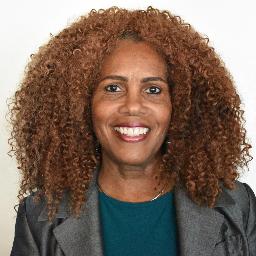
Cynthia Rumford-Jones
LCSW
California - 22 yrs exp













How CBT approaches trauma and abuse
Cognitive Behavioral Therapy, or CBT, treats trauma and abuse by addressing the thoughts and behaviors that keep painful experiences active in your daily life. When something traumatic happens, the mind often develops automatic interpretations and avoidance patterns that make symptoms worse over time. CBT works on two complementary fronts. First, it helps you identify and test unhelpful beliefs - the interpretations you make about yourself, others, and safety - so that those beliefs lose their power to drive intense emotions. Second, it supports gradual changes to behavior, so avoidance and hypervigilance give way to manageable exposure and restored function.
In practical terms, a CBT therapist will help you notice the patterns that maintain distress, teach you skills to manage intense emotions, and guide you through exercises designed to reduce avoidance. This can include structured cognitive work to reframe distorted memories or meanings, and behavioral tasks that allow you to approach situations that have felt unsafe in a paced, supported way. The combination of changing thoughts and changing actions aims to reduce symptoms and improve your ability to live according to your values rather than fear.
What therapy sessions using CBT for trauma typically involve
When you begin CBT for trauma and abuse, the early sessions are often focused on assessment and safety planning. Your therapist will ask about the nature of the events, current symptoms, and the ways these experiences affect your relationships and daily functioning. From there a clear, collaborative plan is formed, with specific goals and practical steps. Sessions are structured and skill-oriented, with time spent teaching emotional regulation strategies, grounding techniques, and ways to manage intrusive memories or flashbacks.
As therapy progresses, you will practice cognitive techniques such as examining evidence for and against a distressing belief, and developing alternative, balanced thoughts. Behavioral strategies may include graded exposure to memories, places, or situations linked to the trauma. Homework is common - you might be asked to keep records of triggering situations, practice breathing or grounding exercises, or complete behavioral experiments to test new beliefs. The pace is adjusted to your readiness so that you feel challenged but not overwhelmed.
Finding CBT-trained help for trauma and abuse in California
When you look for a therapist in California, start by looking for clinicians who highlight trauma-focused CBT training or experience with evidence-based trauma treatments. Many therapists will list their specialties on directory profiles, along with modalities they use, such as trauma-focused CBT, cognitive processing therapy, or exposure-based techniques that are rooted in CBT principles. Licensing and professional credentials are also important indicators of training and practice standards.
Geography matters when you want in-person services, and California offers a wide range of options from urban centers to suburban communities. If you are in Los Angeles, you may find clinicians with experience treating complex trauma and abuse across diverse populations. In San Francisco, therapists often emphasize culturally responsive approaches. San Diego clinicians may offer a mix of outpatient services and community-based care. In San Jose and Sacramento, you will find practitioners experienced with both adult and youth trauma presentations. Use the directory filters to narrow by language, specialization, and whether the therapist offers telehealth sessions if you prefer remote care.
What to expect from online CBT sessions for trauma and abuse
Online CBT sessions can be an effective and accessible option if in-person care is difficult due to location or schedule. In virtual sessions you will follow the same structured approach as in an office - assessment, skills coaching, cognitive work, and behavioral assignments - with adaptations for the remote format. Your therapist will help you set up a comfortable environment at home where you can concentrate and participate without interruptions. You may use screen sharing for worksheets, complete digital thought records, and receive tailored homework by email or through a client portal.
Online care also allows for greater flexibility. If you live in a smaller California community or need an evening appointment, telehealth can expand your choices. Therapists often discuss telehealth boundaries and practical concerns at the outset, including how to handle moments of intense distress and what steps to take if you need immediate in-person support. You should ask potential therapists about their experience providing trauma-focused CBT remotely and how they handle safety planning and crisis protocols online.
Evidence and outcomes for CBT in trauma and abuse treatment
CBT and trauma-focused adaptations have a substantial evidence base for reducing symptoms related to trauma and abuse, including intrusive memories, avoidance, and distressing beliefs. Clinical trials and systematic reviews show that structured CBT interventions can lead to meaningful symptom reduction and improved daily functioning for many people. In California, research and clinical programs across universities and health systems have contributed to these findings and helped refine how CBT is delivered in diverse communities.
It is important to remember that outcomes vary by individual, the nature of the trauma, and the therapeutic relationship. CBT tends to be especially effective when therapy is focused, collaborative, and consistent. You can increase the likelihood of a good outcome by choosing a therapist with experience in trauma work, maintaining regular attendance, and practicing skills between sessions. Therapists in larger metropolitan areas often participate in ongoing training and may be familiar with the latest adaptations of CBT for complex presentations.
Choosing the right CBT therapist in California
Selecting a therapist is a personal decision that involves both practical and relational factors. Look for therapists who clearly describe trauma and abuse as a specialty and who articulate how they use CBT methods to address those issues. Ask about specific training in trauma-focused CBT, cognitive processing therapy, or other CBT-based techniques. Experience treating populations similar to yours - whether adults, adolescents, survivors of interpersonal violence, or people from particular cultural backgrounds - can be a significant advantage.
Consider logistics such as location, fees, insurance acceptance, and whether the therapist offers telehealth. In cities like Los Angeles and San Francisco you may find many providers, so use initial phone calls or consultation sessions to assess fit. Pay attention to how the therapist talks about collaboration, pacing, and safety. A good CBT therapist will explain the rationale behind interventions, set clear goals, and involve you in decisions about exposure tasks and cognitive work. If language or cultural competence matters to you, seek clinicians who advertise multilingual services or cultural humility in their practice.
Practical next steps
When you are ready to reach out, review therapist profiles for descriptions of training and treatment focus, then contact a few clinicians to ask brief questions about their approach to trauma-focused CBT and availability. Many therapists offer an initial consultation that lets you get a sense of rapport and treatment style before committing. Keep in mind that the therapeutic relationship matters as much as specific techniques; finding someone you can work with comfortably is an important part of recovery.
Final considerations for California residents
California’s diverse clinical community means you can often find CBT practitioners who combine strong trauma expertise with cultural and linguistic knowledge relevant to your life. Whether you prefer in-person therapy in a nearby neighborhood or online sessions that fit a busy schedule, clarity about your goals and questions about the therapist’s trauma-focused CBT experience will help you make an informed choice. Taking the first step to contact a clinician is a practical move toward getting tailored support for trauma and abuse recovery.