Find a CBT Therapist for Sleeping Disorders in California
This directory page highlights therapists across California who use Cognitive Behavioral Therapy to address sleeping disorders. Explore clinician profiles below to compare training, approaches, and availability before contacting a provider.







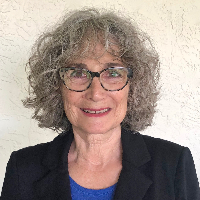





Claudia Santiago
LCSW
California - 12 yrs exp









How CBT specifically treats sleeping disorders
When you look at how CBT is applied to sleep problems, it helps to separate thinking patterns from behaviors. CBT targets the thoughts that keep you awake - worries about not sleeping, catastrophizing about daytime performance, and rigid beliefs about sleep requiring a certain number of hours. At the same time CBT addresses behaviors that unintentionally reinforce poor sleep patterns, such as spending long stretches awake in bed, irregular sleep schedules, or excessive daytime napping. By working on both cognition and behavior, CBT helps shift the conditions that maintain disrupted sleep.
Cognitive techniques
The cognitive part of CBT helps you recognize and modify unhelpful thoughts about sleep. You will learn to notice worry loops that start at bedtime, evaluate the evidence for fearful predictions about sleepless nights, and replace catastrophizing with more balanced perspectives. Therapists guide you in reframing beliefs about sleep and reducing the mental arousal that interferes with dropping off. Over time these cognitive shifts reduce bedtime anxiety and lower the mental tension that keeps you alert when you want to rest.
Behavioral strategies
On the behavioral side, CBT offers concrete tools you can apply right away. Techniques commonly used include stimulus control to strengthen the connection between bed and sleep, sleep scheduling to consolidate sleep into more efficient blocks of time, and graduated restriction of time in bed to re-establish robust sleep drive. You may also learn relaxation practices to ease physiological arousal and routines that promote consistent circadian cues. These behavioral changes are gradual but practical, and they are paired with the cognitive work so you have both strategies and thinking patterns aligned for better sleep.
Finding CBT-trained help for sleeping disorders in California
California has a diverse network of mental health professionals who specialize in CBT approaches for sleep. When you search for a therapist, you will find clinicians with different licenses and training backgrounds. Many list specific training in sleep-focused CBT, sometimes called CBT for insomnia, while others integrate CBT techniques into broader therapy for anxiety, depression, or chronic health concerns that affect sleep. Use profile details to confirm a clinician's focus on sleep-related CBT methods and to learn about their experience with the issues you face.
Licensure and training to look for
When evaluating clinicians, pay attention to licensure, specific training in CBT and sleep interventions, and experience with populations similar to yours. Licenses such as psychologist, licensed clinical social worker, or licensed professional counselor commonly indicate clinical training. Look for phrases on profiles that reference CBT for sleep or sleep-focused workshops and certifications. If you have a co-occurring condition - for example anxiety or chronic pain - seek a therapist who has experience integrating CBT for sleep with treatments for those conditions so your care is coordinated.
Local options in California cities
Where you live in California will shape your options. In Los Angeles you may find clinicians who work with shift workers and entertainment professionals and who offer flexible hours. In San Francisco there are providers with experience in technology-driven lifestyles and collaboration with primary care clinics. San Diego clinicians often blend CBT for sleep with wellness and lifestyle interventions suited to active outdoor living. In the Bay Area and Sacramento you can connect with therapists who collaborate with medical specialists or community clinics. If you live in San Jose or in nearby suburbs, look for therapists who list commute-friendly locations or telehealth availability to expand scheduling options.
What to expect from online CBT sessions for sleeping disorders
Online CBT sessions for sleep are structured and practical. Your therapist will usually begin with an intake assessment that reviews sleep history, daytime functioning, medical factors that may affect sleep, and current habits. You will be asked to keep a sleep diary for a week or two so both of you can see patterns in sleep timing, awakenings, and daytime energy. Sessions focus on setting goals, learning and practicing cognitive and behavioral techniques, and reviewing progress. Homework is an essential part of the work - your therapist will assign tasks such as following a sleep schedule, testing a new bedtime routine, or practicing relaxation exercises between sessions.
Remote sessions often use video to maintain a face-to-face experience, and many therapists provide worksheets or digital tools to support sleep diaries and homework. If you prefer in-person visits, you will find clinicians in urban centers and suburban areas; if you prefer the convenience of home-based sessions, online work can be just as interactive. Either format aims to create a consistent therapeutic process with clear goals and measurable progress.
Evidence supporting CBT for sleeping disorders in California
You will find that CBT has a strong research base as an approach to improving sleep patterns and reducing the behaviors and thoughts that interfere with rest. Many mental health and sleep clinics in California use CBT protocols when treating chronic sleep problems, and clinicians trained in behavioral sleep medicine frequently collaborate with medical teams. Research and clinical practice over time show that CBT techniques can reduce time spent awake at night and increase sleep efficiency for many people, while also teaching skills you can continue to use when new sleep disruptions arise.
Clinicians in California often combine evidence-based CBT methods with practical adjustments tailored to regional lifestyles - for example shifting schedules to accommodate long commutes in Los Angeles or integrating strategies for shift work in coastal cities. The goal is to apply techniques that research supports while adapting them so they fit your daily life and environment.
Tips for choosing the right CBT therapist for sleeping disorders in California
When you are choosing a therapist, prioritize a few practical factors. First, look for clinicians who explicitly list training in CBT for sleep or behavioral sleep medicine on their profiles. Second, consider logistics - availability, session format, insurance or payment options, and whether the clinician's schedule aligns with your needs. Third, think about experience with any co-occurring issues you have, such as anxiety, chronic pain, or medication management, so treatment can address the full context of your sleep.
During an initial contact or intake conversation, ask about the therapist's approach to homework, how they measure progress, and typical treatment length. A good therapist will explain how you will track change, what to expect from early sessions when habits are being assessed, and how goals are adjusted as you improve. It is also reasonable to ask about how they tailor interventions to your lifestyle, whether you live in a busy urban area or a quieter community, and how they coordinate care with medical providers if needed.
Finally, trust your judgment about fit. The working relationship matters because you will be experimenting with new habits and challenging long-standing beliefs about sleep. Feeling comfortable with the therapist's communication style and approach will help you stay engaged with the practical work of CBT.
Next steps
Start by reviewing profiles in your area, paying attention to training in CBT for sleeping disorders and to practical details that matter to you. If you live in or near a larger city - whether Los Angeles, San Francisco, or San Diego - use local filters to narrow your search and then consider clinicians who offer evening or weekend slots if you need them. Reach out to ask specific questions about treatment structure and availability, and consider scheduling an initial appointment to discuss goals and expectations. With the right CBT-trained clinician, you can begin to change the thinking and behaviors that keep sleep problems in place and build routines that support more restorative rest.