Find a CBT Therapist for Self-Harm in California
This page connects visitors with CBT-trained clinicians in California who focus on supporting people who self-harm. Listings highlight therapists using cognitive behavioral approaches across cities like Los Angeles, San Francisco, and San Diego - browse below to compare providers and request an appointment.









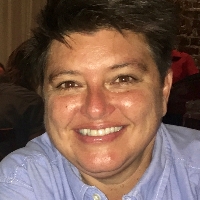
Claudia Santiago
LCSW
California - 12 yrs exp





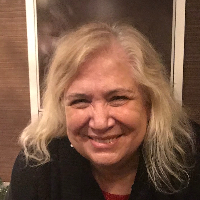
Jamie Lavender
LMFT
California - 21 yrs exp







How Cognitive Behavioral Therapy Addresses Self-Harm
When you seek CBT for self-harm, the work centers on understanding the thoughts, feelings, and behaviors that form a pattern. CBT treats self-harm by helping you identify the triggers and beliefs that contribute to the urge to harm, and then developing practical strategies to change how you respond. Therapists use a combination of cognitive techniques to shift unhelpful thinking and behavioral strategies to reduce reinforcement of harmful actions and build healthier coping skills.
Cognitive mechanisms
CBT focuses on the mental patterns that often precede self-harm. You and your therapist will explore how automatic thoughts, core beliefs, and rumination feed intense emotional states. By learning to challenge distorted thinking - for example, black-and-white judgments about yourself or predictions that pain will never change - you gain tools to weaken the link between a triggering thought and the impulse to hurt. Thought records, cognitive restructuring, and reality-testing exercises are common techniques that help you practice alternative interpretations and reduce the power of immediate negative thoughts.
Behavioral mechanisms
On the behavioral side, CBT examines how self-harm functions in your life - what it accomplishes in the short term, such as relief from overwhelming emotion or a way to communicate distress. Your therapist will work with you to map out the sequence of events that lead to self-harm and then design behavioral experiments and replacement strategies. These can include skills for emotional regulation, distress tolerance, and activity scheduling so that you begin to experience reinforcement for healthier behaviors. Over time, practicing new responses changes the learned associations that made self-harm feel like the only option.
Finding CBT-Trained Help for Self-Harm in California
Searching for a therapist in California who specializes in CBT and self-harm starts with checking professional credentials and treatment focus. Many clinicians in California work under titles such as psychologist, licensed clinical social worker, marriage and family therapist, or professional counselor. When you look at profiles, note whether a clinician explicitly states CBT training and experience with self-harm, and whether they describe specific techniques they use for assessment and safety planning. You can refine searches by city - in Los Angeles you may find clinicians with experience serving diverse urban communities, in San Francisco providers who emphasize work with LGBTQ+ populations, and in San Diego therapists who often collaborate with community health settings.
It is also appropriate to ask prospective therapists about ongoing training and supervision, particularly if you want someone who follows current CBT protocols. A therapist who can describe a structured approach - including assessment tools, measurement of progress, and documented strategies for reducing self-harm - is likely to offer a treatment plan you can evaluate and discuss.
What to ask before your first appointment
Before you commit to a provider, consider asking about their experience treating self-harm, the role of CBT in their work, and what a typical treatment plan looks like. You might also ask how they handle crisis situations, whether they work with family members when appropriate, and how they help clients practice skills between sessions. These conversations give you a sense of whether the therapist’s approach matches your needs and whether the practical aspects - such as session length, fees, and availability - fit your life.
What to Expect from Online CBT Sessions for Self-Harm
Online CBT sessions for self-harm follow many of the same principles as in-person therapy but with adjustments for remote delivery. You can expect an initial assessment that explores your history, current triggers, and any immediate risk factors. From there, you and your therapist will co-create a treatment plan that sets goals and identifies specific techniques to use in sessions and as homework. Sessions often include skill-building exercises, guided cognitive work, and behavioral assignments to practice between meetings.
Telehealth offers flexibility if you live far from specialized clinics or prefer not to travel. For successful online work, arrange a quiet, personal space where you feel comfortable talking. Your therapist will also discuss safety protocols for remote care - such as how to reach local emergency services if needed, and who to contact in your area if a crisis arises. Many clinicians will set regular check-ins, use digital worksheets or apps to support practice, and review progress with standardized measures so you and the clinician can see how the work is progressing over time.
Evidence Supporting CBT for Self-Harm
Research into CBT-based approaches has expanded over recent years and shows that structured cognitive and behavioral strategies can reduce self-harm behaviors for many people. Clinical studies and practice guidelines support using targeted CBT techniques that combine cognitive restructuring, behavioral experiments, and skills training to address the factors that maintain self-harm. In California, academic programs and community clinics frequently implement CBT-informed protocols, and many clinicians integrate evidence-based modules into their work with clients who self-harm. While research continues to evolve, CBT remains a recommended option for people seeking structured, skills-focused treatment.
Tips for Choosing the Right CBT Therapist in California
Choosing the right therapist is both practical and personal. Start by considering credentials and explicit experience with self-harm and CBT. Look for a clinician who can explain their approach in clear terms and who offers a treatment plan with measurable goals. Think about cultural competence and whether the therapist has experience with issues that matter to you, such as age, gender identity, cultural background, or the specific challenges you face in your community.
Accessibility matters as well. Decide whether you prefer in-person sessions near your neighborhood or online appointments that allow more scheduling flexibility. Check whether the therapist accepts your insurance or offers a sliding scale if cost is a concern. Pay attention to how well you feel heard during an initial consultation - rapport and trust are central to progress in CBT because the work involves confronting difficult thoughts and practicing new behaviors.
Finally, ask about collaboration. The most effective CBT work for self-harm often includes regular tracking of urges and behaviors, homework assignments, and periodic reviews of what is and is not working. A therapist who invites your feedback and adjusts the plan as needed will help you stay engaged and build the skills that reduce reliance on self-harm.
Getting Started
Beginning CBT for self-harm in California can feel like a major step, and finding the right therapist is part of making that step manageable. Whether you live in a dense urban area like Los Angeles or San Francisco, or in a quieter part of the state, there are clinicians who focus on evidence-based, skill-oriented CBT for self-harm. Use the listings above to compare profiles, read about training and approach, and reach out to schedule an initial conversation. A brief intake call can help you determine whether a therapist’s style and plan match what you need, and it is an opportunity to ask practical questions about sessions, communication, and safety planning. Taking that first step can set the stage for measurable change and a clearer path forward.