Find a CBT Therapist for Post-Traumatic Stress in California
Explore California therapists who use cognitive behavioral therapy (CBT) to treat post-traumatic stress. Browse listings below to compare clinicians, view treatment approaches, and connect with providers offering CBT in your area.





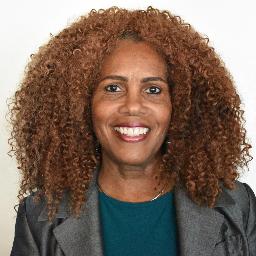
Cynthia Rumford-Jones
LCSW
California - 22 yrs exp














How CBT Specifically Treats Post-Traumatic Stress
Cognitive behavioral therapy addresses post-traumatic stress by targeting the thoughts, emotions, and behaviors that keep trauma reactions active. In CBT you will work with a clinician to identify trauma-related beliefs - such as self-blame, overestimation of danger, or assumptions about the future - and test those beliefs against evidence from your life. That cognitive work helps reduce the intensity of distressing memories and the way they intrude into daily life.
On the behavioral side, CBT uses structured interventions to change avoidance patterns and reduce hypervigilance. Exposure-based techniques allow you to gradually face memories, reminders, or situations that have been avoided so that the memory becomes less overwhelming and your coping improves. Behavioral experiments and activity planning help restore routines and meaning by increasing your engagement in valued activities. Together, the cognitive and behavioral components of CBT give you practical tools to manage symptoms, rebuild a sense of control, and reduce the impact of traumatic experiences on daily functioning.
Finding CBT-Trained Help for Post-Traumatic Stress in California
When you begin looking for a CBT therapist in California, focus on clinicians who list trauma-focused training or experience with post-traumatic stress. Licensure types you will encounter include licensed clinical psychologists, licensed clinical social workers, and licensed marriage and family therapists; each may have specialized training in trauma care. Many therapists will note additional trainings such as trauma-focused CBT, cognitive processing therapy, or prolonged exposure, which indicate a focus on evidence-based trauma work.
Geographic location matters for access and options. In large metropolitan areas such as Los Angeles and San Francisco you will likely find clinicians who specialize in complex trauma, work with diverse communities, and offer a range of session formats. San Diego and San Jose also have providers experienced in trauma-informed CBT, and Sacramento serves as a hub for providers who work with public systems and community programs. If you prefer in-person care, search for therapists whose office locations are convenient for you. If you need more flexibility, many California clinicians provide telehealth sessions across different regions of the state.
What to Expect from Online CBT Sessions for Post-Traumatic Stress
Online CBT sessions often follow the same clinical structure as in-person work, starting with an assessment of symptoms, history, and treatment goals. You can expect a collaborative plan that outlines the focus of therapy, session frequency, and goals for skill development. Early sessions typically involve psychoeducation about trauma responses and learning grounding and stabilization skills to help manage intense emotions between sessions.
As treatment progresses, online sessions may include cognitive restructuring exercises where you and your therapist examine and reframe trauma-related beliefs. Exposure work can also be adapted to virtual settings, with therapists guiding you through imaginal exposure, in-session processing, and stepwise real-world exposures. Homework is a regular element of CBT; you will likely be asked to practice skills, record thoughts and reactions, and try behavioral experiments between sessions to reinforce learning.
Because online therapy takes place in your own setting, it is important to choose a quiet, comfortable environment where you can speak candidly and focus. Your therapist should discuss safety planning and local emergency resources with you at the outset, and you should feel comfortable sharing concerns about pacing, intensity, or any practical barriers that arise during remote work.
Evidence Supporting CBT for Post-Traumatic Stress
Over decades of research, trauma-focused CBT and related cognitive-behavioral approaches have been studied across clinical settings and populations. Reviews and clinical guidelines commonly highlight these approaches as effective for reducing intrusive memories, avoidance, and symptoms that accompany post-traumatic stress. In California, clinicians draw on this evidence base when adapting CBT protocols to diverse communities, cultural contexts, and specific needs such as military-related trauma, interpersonal violence, or accidents.
While individual outcomes vary, the structured nature of CBT - with clear treatment targets, measurable goals, and skills practice - makes it a commonly recommended option for people seeking active, goal-oriented therapy. When you meet with a therapist, you can ask about the specific methods they use, what the typical course of treatment looks like, and how they measure progress so you know how their approach fits with the research and with your own objectives.
Tips for Choosing the Right CBT Therapist in California
Start by identifying therapists who emphasize trauma-focused CBT or cognitive processing therapy in their profiles. During initial consultations, ask about relevant training and experience working with post-traumatic stress, and request examples of how they adapt CBT techniques to different life situations. It is appropriate to inquire about session length, typical treatment duration, and whether they use structured worksheets or digital tools to support homework practice.
Consider practical factors such as location, availability, and whether the therapist offers evening or weekend appointments if you need them. If you live near Los Angeles, you may find specialists who work with complex presentations and clinicians familiar with entertainment industry stressors. In San Francisco and Silicon Valley, there are therapists experienced in serving tech workers and international communities. San Diego has clinicians who often work with military-connected clients, and Sacramento therapists may have experience with public systems and community mental health partnerships. Keep in mind that cultural fit matters - you should feel heard, respected, and able to bring your whole experience into therapy.
Ask how the therapist approaches client safety and crisis planning, and whether they coordinate care with physicians or other providers when needed. Discuss fees, insurance participation, and sliding-scale options so you can plan for the financial aspects of care. Finally, trust your instincts about rapport. A strong therapeutic relationship supports the demanding work of trauma-focused CBT and increases the likelihood that you will complete treatment and see meaningful change.
Making the First Call or Message
Reaching out to a therapist can feel daunting. Prepare a brief description of what brings you to therapy and any scheduling preferences you have. Many therapists offer brief phone or video consultations that let you ask about their CBT approach, experience with trauma, and what a first session would involve. Use that conversation to assess how comfortable you feel and whether the therapist’s approach aligns with your needs.
Remember that seeking help is a step toward regaining a sense of control over day-to-day life. Whether you connect with a therapist in Los Angeles, San Francisco, San Diego, San Jose, Sacramento, or another California community, a CBT-trained clinician can offer a structured, evidence-informed path to work through traumatic experiences and build skills for the future.
Next Steps
Browse the therapist listings on this page to compare training, approaches, and appointment options. When you find a therapist who fits your needs, schedule an initial consultation to discuss CBT methods for post-traumatic stress and begin shaping a treatment plan that works for you.