Find a CBT Therapist for Panic Disorder and Panic Attacks in California
This page lists California-based CBT therapists who focus on panic disorder and panic attacks. You will find clinician profiles that highlight CBT training, treatment focus, and service options. Browse the listings below to compare therapists and find a good fit for your needs.






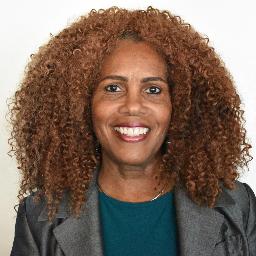
Cynthia Rumford-Jones
LCSW
California - 22 yrs exp















How CBT addresses panic disorder and panic attacks
Cognitive behavioral therapy, or CBT, approaches panic disorder by targeting the thoughts, sensations, and behaviors that keep panic symptoms active. In CBT you will learn to notice the thinking patterns that amplify fear - for example, interpreting a rapid heartbeat as a sign of imminent danger - and to test and modify those interpretations. At the same time you will work on behavioral strategies that reduce the avoidance and safety behaviors that reinforce panic over time. The combination of cognitive work and behavioral practice aims to change how you respond to anxious sensations so that they become less disruptive in daily life.
How the cognitive piece works
The cognitive component helps you examine the beliefs that make panic feel overwhelming. You will be guided to observe automatic thoughts that occur during anxiety, evaluate the evidence for those thoughts, and develop more balanced appraisals. Learning to reframe catastrophic interpretations does not mean dismissing your experience. Instead it gives you tools to name what you are feeling, separate sensation from meaning, and choose responses that are less driven by fear. Over time, shifting those patterns can reduce the intensity and frequency of panic episodes.
How the behavioral piece works
Behavioral techniques in CBT are geared toward changing your relationship with bodily sensations and feared situations. One common method is interoceptive exposure - intentionally bringing on physical sensations that mimic panic, such as lightheadedness or a faster heartbeat, in a controlled therapeutic setting so you can learn they are uncomfortable but not dangerous. Another strategy involves gradual exposure to places or activities you have been avoiding. As you repeatedly encounter feared sensations and situations without the catastrophic outcomes you expected, your nervous system learns to respond differently. CBT also emphasizes homework and practice between sessions, because regular practice is how change becomes lasting.
Finding CBT-trained help for panic disorder in California
When you look for a CBT therapist in California, focus on clinicians who explicitly describe training and experience with panic and exposure-based methods. Many licensed professionals across the state - including psychologists, licensed clinical social workers, marriage and family therapists, and licensed professional clinical counselors - offer CBT. In larger metro areas like Los Angeles, San Francisco, and San Diego you are likely to find a wider range of specialists and formats, while smaller communities may have fewer clinicians but growing telehealth options. Therapist profiles can tell you about certifications, years of experience, and whether a clinician uses CBT as the primary approach for panic-related concerns.
Because licensing rules vary by state, make sure the therapist is licensed to practice in California if you plan to attend telehealth sessions from within the state. You can also look for clinicians who have pursued additional CBT training, such as workshops in cognitive therapy, training in exposure-based techniques, or supervision in evidence-based practices. Those details often show up in clinician biographies or can be clarified in an initial consultation.
What to expect from online CBT sessions for panic disorder and panic attacks
Online CBT sessions follow much the same structure as in-person work, with some practical differences you should anticipate. Sessions typically last 45 to 60 minutes and include check-ins, review of homework, collaborative planning, and skill practice. A typical early session includes assessment of panic patterns, education about panic and anxiety, and introduction to core CBT skills like cognitive restructuring and breathing or grounding exercises. As therapy progresses, you can expect guided exposures and behavioral experiments to be scheduled and reviewed.
Telehealth makes it easier to see a clinician outside your immediate area, so you might work with a therapist in a different California city than where you live. That can be especially useful if you are seeking specific expertise or a particular therapeutic style. Online delivery also allows for real-time practice in the environments that challenge you, such as conducting exposures while you are at home or in public places. Before you begin online work, discuss practicalities like session privacy practices, the platform you will use, and what to do if a challenging reaction occurs between sessions. Your therapist should explain how they handle emergencies and how they support you during intense exposure work.
Evidence supporting CBT for panic disorder and panic attacks
CBT is one of the most researched psychological approaches for panic-related concerns. Clinical guidelines and numerous studies point to the effectiveness of cognitive and exposure-based techniques in reducing panic frequency and distress for many people. Research has shown that the skills you learn in CBT - such as changing unhelpful thoughts and practicing exposure - can produce durable changes in how you respond to panic triggers. In California clinical providers and training programs commonly teach CBT approaches because of this strong evidence base.
While outcomes vary by individual and depend on factors like engagement with homework and the fit between you and your therapist, CBT is generally recommended as a first-line psychological approach for panic symptoms. If you are weighing options, asking potential therapists about how they measure progress and what typical timelines look like in their practice can be helpful. Clear descriptions of expected goals, session pacing, and outcome monitoring are signs of evidence-informed care.
Tips for choosing the right CBT therapist in California
Choosing a therapist is both practical and personal. Start by looking for clinicians who explicitly list CBT and exposure-based skills for panic disorder in their profiles. Read biographies to understand their training and populations they work with. If you prefer a therapist with experience in a particular life stage or cultural background, search for those details too. Location and format matter - decide whether you want primarily in-person sessions in cities like Los Angeles or San Francisco, or whether telehealth is a better fit for your schedule and travel constraints. Availability, fees, and insurance participation are practical considerations you should confirm early on.
During an initial phone call or consultation, ask how the therapist structures CBT for panic, how they approach interoceptive exposure, and what homework looks like. Inquire about how they handle setbacks and how progress is tracked. Compatibility matters: you should feel heard and respected, and your therapist should be able to explain techniques in a way that makes sense to you. If you try a therapist and it does not feel like a good match, it is reasonable to seek another clinician; good fit can speed progress and make therapy more tolerable.
Next steps and getting started
When you are ready to begin, use the listings above to compare clinician profiles, read about areas of focus and training, and reach out to schedule a consultation. If you live in a larger urban area such as Los Angeles, San Francisco, or San Diego you may have more options for in-person appointments and specialty training. If you prefer remote sessions, look for therapists who mention telehealth availability and who explain how they adapt exposure exercises for online work. Taking the first step can feel daunting, but knowing what CBT offers and what to expect can help you find an approach and a therapist that align with your goals.
Finding the right CBT therapist in California is a process you can approach with curiosity and clear questions. Look for clinicians who combine clinical skill with practical guidance, and choose someone whose style and scheduling fit your life. With the right support and practice, many people find that CBT gives them tools to respond differently to panic and to reclaim activities that once felt difficult.