Find a CBT Therapist for Impulsivity in California
This page profiles CBT therapists in California who focus on impulsivity. Explore clinicians trained in cognitive behavioral therapy and browse the listings below to find a provider who fits your needs.







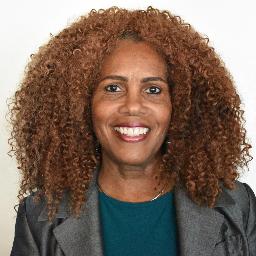
Cynthia Rumford-Jones
LCSW
California - 22 yrs exp




Claudia Santiago
LCSW
California - 12 yrs exp












How CBT Works to Address Impulsivity
Cognitive behavioral therapy, or CBT, approaches impulsivity by helping you examine the thoughts and patterns that lead to quick, sometimes risky reactions. In CBT you learn to recognize the mental cues that precede an impulsive act - the racing thoughts, the urges, the automatic beliefs - and to test those thoughts against real-world evidence. The goal is not to eliminate emotion but to give you practical tools to pause, reflect, and choose actions that align with your values and long-term goals.
Cognitive mechanisms
On the cognitive side, therapy helps you identify thinking styles that fuel impulsive choices. These may include overgeneralization, catastrophizing, or rigid rules about how events must unfold. Your therapist guides you to reframe or balance these thoughts so they are less likely to trigger instant responses. Over time you develop alternative interpretations and mental check-ins that reduce the intensity of the urge to act without thinking.
Behavioral mechanisms
Behavioral strategies in CBT teach you to change how you respond when impulses arise. You practice techniques like paced breathing, brief distraction, problem-solving steps, and graded exposure to situations that previously provoked impulsive actions. Homework assignments are common so you can try new responses between sessions and track what works. By repeatedly practicing new behaviors, the automatic reactions that used to feel unavoidable become less dominant.
Finding CBT-Trained Help for Impulsivity in California
When you look for a therapist in California, you can search for clinicians who explicitly list CBT training and experience with impulsivity or impulse-control issues. California has a wide range of licensed mental health professionals - psychologists, licensed clinical social workers, licensed marriage and family therapists, and licensed professional clinical counselors - many of whom use CBT as a primary approach. Major metro areas such as Los Angeles, San Francisco, San Diego, San Jose, and Sacramento offer broad options for in-person appointments, while many clinicians statewide also provide telehealth sessions that can connect you with a CBT specialist even if you live in a more rural area.
Licensure and professional background are practical starting points. You may want to review a clinician's education, certifications in CBT or related trainings, and their stated experience with impulsivity or related concerns. Many therapists outline their typical treatment process in their profiles, so you can get a sense of whether they emphasize skills training, behavioral experiments, or a combination of cognitive restructuring and habit change.
What to Expect from Online CBT Sessions for Impulsivity
If you choose online CBT, sessions generally follow a structured format similar to in-person work. You and your therapist will set specific goals, review examples of impulsive moments, and practice exercises during the session. Your therapist may assign between-session tasks such as tracking urges, testing alternative reactions, or practicing coping skills in real-life settings. Technology makes it easier to share worksheets, mood logs, and short audio-guided exercises that support the skills you learn in session.
Online sessions can be especially helpful if finding a local CBT specialist who focuses on impulsivity is difficult where you live. You should plan to join sessions from a quiet, personal space where you can speak openly and practice exercises without interruption. The tempo of online work is similar to in-person therapy, with sessions typically lasting 45 to 60 minutes and occurring weekly at first, possibly spacing out as you consolidate skills.
Evidence Supporting CBT for Impulsivity
Research over several decades has shown that CBT is an effective approach for changing patterns of thought and behavior that contribute to impulsive actions. Clinical studies and community programs across the United States, including work conducted at clinics and university programs in California, suggest that CBT-based interventions can help people develop greater impulse control, reduce risky behavior, and improve decision-making in everyday situations. Outcomes often include measurable changes in the frequency of impulsive episodes and improvements in coping strategies.
It is important to remember that outcomes vary by person and by the specific nature of the impulsivity you are addressing. Some people respond quickly to skill-based interventions, while others may benefit from a longer course of treatment that revisits underlying beliefs or co-occurring concerns. Your therapist can help set realistic expectations and track progress with clear, observable goals so you can see whether the chosen approach is helping you move toward more consistent self-management.
Tips for Choosing the Right CBT Therapist for Impulsivity in California
Begin by considering practical factors such as location, availability, and whether you prefer in-person or online work. If you live near Los Angeles, San Francisco, San Diego, San Jose, or Sacramento, you may have access to therapists who specialize in CBT for impulsivity; if you live elsewhere in California, online options expand your choices. Next, review professional profiles for evidence of specialized training in CBT techniques and specific mention of experience working with impulsivity, impulse-control problems, or related concerns like anger management or addictive behaviors.
During an initial consultation you can ask about the therapist's model of CBT - whether they emphasize cognitive restructuring, behavioral experiments, skills training, or a combined approach - and how they measure progress. Ask what typical session frequency looks like, what between-session work they recommend, and how they adapt strategies if early techniques do not produce expected benefits. Consider how comfortable you feel with the therapist's communication style and whether their cultural perspective and background match your needs. A good fit often predicts stronger engagement and better outcomes.
Making the Most of CBT for Impulsivity
To get the most from therapy, commit to the skill practice and homework your therapist recommends. Track specific situations in which impulses arise and note what you tried and how it worked. Over time you will build a toolkit of strategies that fit your life - short grounding techniques for urgent moments, and longer strategies for reshaping patterns that lead to impulsive decisions. If you live in a busy city such as Los Angeles or San Francisco, you might find group-based CBT workshops or community resources that reinforce skills between individual sessions. If you live farther from urban centers, online groups or clinician-led remote programs can provide similar reinforcement.
Choosing CBT for impulsivity in California connects you with a widely used, evidence-based approach that focuses on measurable skills and practical change. By learning to notice the cues that trigger impulsive responses, practicing alternative behaviors, and testing new beliefs about urgency and control, you can move toward decisions that reflect your priorities rather than short-lived urges. Use therapist profiles to compare backgrounds and approaches, schedule an initial conversation, and choose a clinician whose style and training match the kind of structured, skill-focused work that CBT offers.